
24/7 Autonomous AI That Keeps Your Business Moving
Your business doesn't have to cease when your staff clock out.
Talk to Zech, live- 24/7 AI Customer Support
- Autonomous AI Agents
- 24/7 AI Monitoring & Alerting
- After-Hours AI Operations
- Autonomous Workflow Automation
ZechionAI builds and implements AI systems that can manage pre-defined customer interactions, track workflows, perform repetitive tasks, and respond to events in the business 24/7.
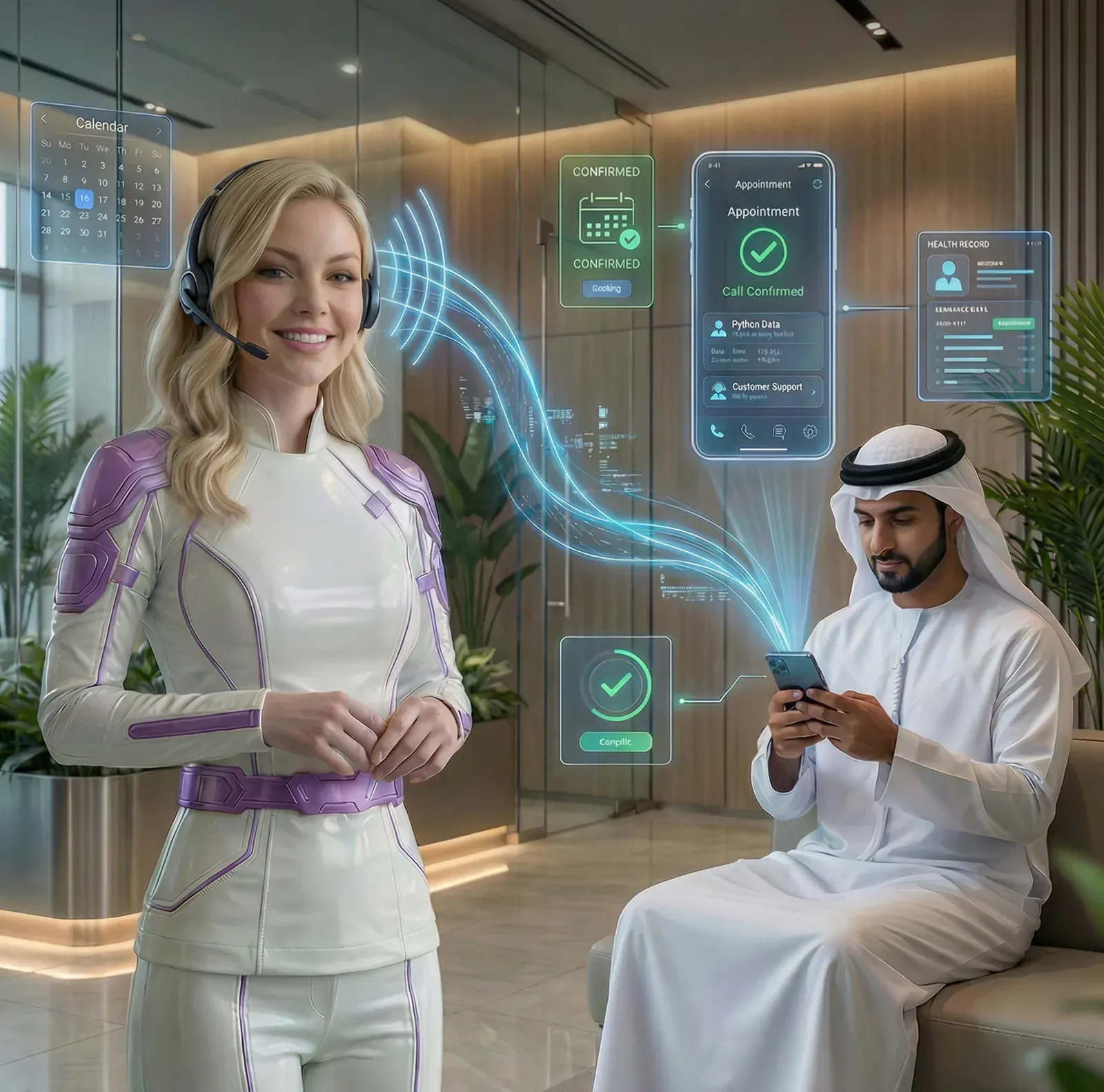
What are 24/7 Autonomous AIs?
The goal isn't just to maintain 24x7 availability for AI. It's about establishing a controlled space where AI can act in a way that's defined by boundaries, identify situations that it can't safely operate in and, when human judgment is needed, involve people.
- Always-on capabilities
- 24/7 customer support
- Continuous monitoring
- Automated task execution
- Intelligent escalation
- Human supervision as needed
Approved business processes continue to work outside the normal working hours with 24/7 autonomous AI.
An AI system can handle multiple routine requests, retrieve information, classify requests, trigger workflows, and execute predefined actions based on rules, instead of having an employee present for each request.
For instance, an autonomous system can:
- Answer customer questions
- Service requests - routine inquiries.
- Keep an eye on applications and processes
- Process predefined tasks
- Detect operational issues
- Send alerts and notifications
- Keep business systems up to date.
- Assigning to the right team.
- Qualify inbound leads
- Support internal employees
- Initiate approved workflows
Call attention to exceptions to people.
Autonomous AI isn't about the elimination of humans.
Here is the correct model:
AI processes repetitive and repetitive tasks on a 24/7 basis. Individuals are accountable for judgments, authorizations, empathy, specialized expertise and decisions, etc.
Why 24/7 Availability Matters
Not all customers work during your business hours.
A prospect can make a request at the end of the day. It may take a customer a while to get help from another time zone. A Workflow can fail during the period that the operations team is down. An important system event can happen during the night.

If there is not a suitable after-hours operating model, then an organization could suffer from:
- Delayed customer responses
- Missed sales opportunities
- Waits with a backlog for the next business day
- Manual overnight monitoring
- Unnecessary employee workload
- Delayed incident awareness
- Missed operational alerts
- Slower service resolution
- International customers are hard to support.
- A rise in reliance upon staff availability
24/7 autonomous AI provides another option.
Defined processes can proceed without the need to involve anyone, but would escalate to a person if necessary under rules defined.
The operation of ZechionAI 24/7 Autonomous AI
- 01
Understand the Business Process
ZechionAI starts by exploring the processes that require night time coverage.
The activities, systems, customer relationships, decisions, interdependencies, anomalies and current operations identified are part of the process.
- 02
Design the AI Workflow
It's not everything has to be independent.
We determine what AI can do on its own, what cases must be approved and what cases must always be referred to an employee.
- 03
Learn how to link your business systems together
The AI can be integrated with the systems you are already running for your business such as:
- CRM platforms
- ERP systems
- Help desks
- Ticketing platforms
- Communication systems
- Databases
- APIs
- Cloud platforms
- Monitoring tools
- Internal applications
- 04
Deploy Autonomous AI
ZechionAI can deploy AI agents, conversational interfaces, workflows, monitoring, or a mix of these features as needed.
- 05
Monitor Continuously
It can monitor things continuously, such as operational activity, errors, workflow status or system events, exceptions etc., and many other things that can be configured.
- 06
Escalate When Necessary
If an issue is not within the scope of the AI's powers or capabilities, the system can escalate it to the right person or team, based on configured policies.
- 07
Improve Over Time
Refining workflows, getting better at the quality of responses, adding more automation, and resolving recurring exceptions can be all done using performance data and feedback.
24/7 Autonomous AI Sub-Services
24/7 AI Customer Support
Offer out-of-hours support to customers.
Capabilities can include:
- Frequently asked questions
- Product and service information
- Order and status inquiries
- Appointment assistance
- Basic troubleshooting
- Request routing
- Ticket creation
- Human escalation
The AI answers supported requests, leaving an escalation path for requests that need to be handled by staff.
Autonomous AI Agents
AI agents can perform a set of tasks rather than just respond.
Potential applications include:
- Lead qualification
- Data collection
- Ticket processing
- Customer onboarding
- Appointment coordination
- Follow-up workflows
- Internal task execution
- Information retrieval
- Workflow initiation
Each agent may have a specified scope of authority.
24/7 AI Monitoring & Alerting
Monitor configured applications, infrastructure, business processes, transactions, customer activity, data pipelines and operational events on a continuous basis.
If certain conditions are triggered, the system can:
- Identify the event
- Classify it
- Use an approved answer.
- Record the activity
- Report to the relevant team.
- Escalate when required
After-Hours AI Operations
Continue approved operational activities after workers go home.
Examples include:
- Processing requests
- Updating records
- Preparing reports
- Routing tasks
- Running scheduled workflows
- Monitoring transactions
- Preparing overnight summaries
- Organizing incoming information
Autonomous Workflow Automation
Eliminate repetitive tasks that are done manually by employees, such as starting, tracking, or finishing.
There are several options for triggering workflows based on customer requests, system events, schedules, data coming in, or pre-defined business conditions.
AI-Powered Lead Response
Handle inbound prospects outside of your sales team's reach.
AI can:
- Acknowledge inquiries
- Collect requirements
- Ask qualifying questions
- Classify prospects
- Capture contact information
- Update CRM records
- Route qualified opportunities
- Hold meetings as needed
Scheduling Automation for appointment booking
Help with appointments, 24/7.
Capabilities can include:
- Appointment requests
- Availability inquiries
- Scheduling
- Rescheduling
- Confirmations
- Reminders
- Calendar integration
AI Ticket & Service Desk Automation
AI can help service desks in a variety of ways, including:
- Receiving tickets
- Categorizing requests
- Prioritizing issues
- Retrieving relevant information
- Proposing and implementing recommended solutions
- Resolving predefined issues
- Escalating complex cases
- Updating ticket records
AI-based Incident Detection & Escalation
Identify known-out-of-the-window operating conditions and trigger the desired corrective action.
This may involve AI tools processing existing signals, taking an approved action, recording of events, and informing the relevant team.
Escalation of critical/certain situations can take place instead of autonomous management.
Business Process Monitoring using AI
Monitor important workflows for:
- Delays
- Failures
- Missing information
- Unusual activity
- Process bottlenecks
- SLA risks
- Workflow interruptions
This gives teams insight into problems they may not have been aware of until the next business day.
AI Reporting & Overnight Intelligence
Create prepared operating reports to supply teams with relevant information when they begin each operation period.
You can report on any of the following:
- Overnight activity
- Open issues
- Exceptions
- Customer requests
- Workflow failures
- Escalations
- Operational events
AI Email & Communication Automation
Support incoming communications through:
- Message classification
- Automated responses
- Request routing
- Follow-ups
- Notifications
- Escalations
- Communication workflows
AI's responses should stay within the limits of approved communication policies and escalation procedures.
AI Knowledge Assistance
Ensure that customers and employees have access to valid organizational information at all times.
AI can access and deliver data from approved knowledge bases, allowing users to get answers without having to wait for an employee to be available.
Multi-Channel Autonomous AI
Provide self-service throughout the channels your customers and staff are currently using:
- Websites
- Web chat
- Mobile applications
- Messaging platforms
- Voice interfaces
- Internal employee portals
The experience can be orchestrated across channels with proper context, permission and authentication.
The ability to manage AI operations without external assistance
It is important to maintain 24/7 AI systems.
ZechionAI can assist with the entire operational lifecycle by providing:
- Performance monitoring
- Workflow optimization
- Error analysis
- Integration maintenance
- Automation expansion
- AI evaluation
- Exception analysis
- Operational reporting
- Continuous improvement
AI use cases in practice 24/7
Customer Service
2:00 AM: Customer sends basic enquiry.
The AI identifies the request, fetches approved information, responds immediately and creates an escalation if the customer requires help that goes beyond the scope of the AI.
Lead Management
11:45 PM: The prospect sends in a question.
The AI then replies, gathers the needed details, filters the request based on the business rules you've set, logs it in the CRM and provides a suitable scheduling choice.
The sales team can start the following day with the interaction in their records.
IT Operations
A predefined anomaly is detected with an AI monitoring system.
It evaluates signals available, identifies if the event is compatible to an approved remediation scenario, executes the approved action if suitable, logs the activity and informs the appropriate team.
In the event of a situation that does not fall into the approved procedure it escalates, does not make it up.
Healthcare
AI can assist in the approved administrative process of appointment requests, checking appointment status, administrative communication, routing, and other workflows.
Matter or issues of a sensitive, clinical or other restricted nature may be referred to qualified personnel as per organisational policies and as to what is required.
E-Commerce
A customer is requesting information regarding an order after midnight.
The AI fetches all the order information from the connected systems and updates the status as approved. When an issue needs an employee's involvement, it generates or forwards a suitable Service Request.
Business Operations
An overnight workflow is not successful.
The AI identifies the failure, checks the recovery conditions defined in the workflow, performs an approved recovery (where applicable), logs out the actual outcome of the recovery, and notifies the appropriate team if the recovery is unsuccessful.
What AI Can't Do. When Humans Take Over

| AI Can Handle | Human Intervention Required |
|---|---|
| Repetitive requests | High-risk decisions |
| Structured workflows | Sensitive cases |
| Frequently asked questions | Exceptions not within the limits of the rules. |
| Data retrieval | Legal decisions |
| Classification | Complex negotiations |
| Routing | Clinical decisions |
| Monitoring | Financial approvals |
| Notifications | Explain what is involved in security investigations that demand human judgment. |
| Predefined actions | Situations requiring empathy |
| Routine follow-ups | Decisions that necessitate professional knowledge and skills. |
The term ‘autonomous’ does not imply ‘uncontrolled'
An autonomous system has boundaries.
Those limits may be boundaries on:
- AI's access to information
- List the actions that AI can take.
- What actions do you need to get approval for
- When AI must stop
- Who receives escalations
- What must be logged
The way exceptions are dealt with.
The focus is on "controlled autonomy", not "unrestricted automation.
Business Benefits
Continuous Availability
The defined services are available to customers and employees outside of regular business hours.
Faster Response Times
Requests that can be supported will be responded to within one day, rather than the next business day.
Reduced Manual Work
Staff don't have to spend a long time on repetitive tasks or answering the same requests.
Better Customer Experience
Customers get prompt support even if the relevant team is not working.
Improved Operational Continuity
Authorized processes can proceed without the normal employee staffing.
Lower After-Hours Workload
Reduces the need to have staff undertake routine overnight activities.
Faster Lead Response
Potential customers can get an instant answer while their interest is alive.
Better Monitoring
Continuous observations of configured systems and workflows are possible without the need for staffing.
Scalable Operations
AI can help manage more and more repetitive interactions, without the need to handle every interaction manually.
Consistent Execution
Trackable activity that is consistent and follows defined rules for approved automated workflows.
Why Hire ZechionAI for the Development of Autonomous AI that is 24/7?
In order to create a robust environment that can operate without human intervention, a Chatbot must be integrated into a website.
This includes designing the processes, building the AI, connecting it with other systems, managing permissions, monitoring its performance, setting up escalations, ensuring security, testing, and keeping it operational.
- 01
AI Architecture Expertise
ZechionAI's designs for autonomous systems are not based on AI alone but are instead based around actual business processes.
- 02
Business-Specific Automation
The design of the solution depends on your workflows, systems, customer interactions, operating rules and organization needs.
- 03
Integration Expertise
ZechionAI can integrate AI features into current CRM, ERP, ticketing, communication, database, API, and monitoring systems.
- 04
Human-in-the-Loop Design
Each and every autonomous workflow can be designed with suitable escalation routes for the situations where human involvement is necessary.
- 05
Security & Governance
Architecture can allow for access controls / permissions, logging/monitoring, data protection, and governance requirements.
- 06
Continuous Optimization
Evaluating operational AI is a must post-deployment. ZechionAI can continuously track performance, detect repeating exceptions and optimize workflows over time.
- 07
Reduced Internal Complexity
Instead of building the various AI engineering, automation, integration and operations capabilities in-house, organizations may leverage a single technology partner throughout the lifecycle.
Why Partner With ZechionAI?
- 01
Strategy Before Technology
We begin by identifying the business process and then figure out where autonomous AI really fits in.
- 02
Business-First AI Design
The system isn't built on a generic list of features for AI, but instead is built around the measurable operational requirements.
- 03
Custom Autonomous Workflows
Design your workflows based on your rules, systems, customers, employees and operating environment.
- 04
Existing-System Integration
Make use of the technology you already have instead of having to use a completely new operating environment.
- 05
Human Oversight
Involve people where accountability, expertise, authorization, or judgment are important.
- 06
Security-Conscious Implementation
Create access, permissions, monitoring, logging and data handling, meet specific environment requirements
- 07
Monitoring & Observability
Know the system and know where it is succeeding and failing.
- 08
Continuous Optimization
Refine the system to accommodate evolving business needs, data, integrations, and operating scenarios.
- 09
Scalable Architecture
Begin with a concentrated approach and build up independent skills as the organisation becomes more confident.
- 10
Flexible Engagement
ZechionAI can help organizations throughout the process of strategy, development, integration, deployment, monitoring, and continued AI operations.
Industries We Serve
All industries HealthcareSupport of approved administrative workflows such as patient communication, appointment assistance, billing related workflows, routing, monitoring of operations, and administrative automation.
 Hospitality & TourismProvide 24/7 guest accommodation support services, bookings, concierge service, communications with services and operational procedures.
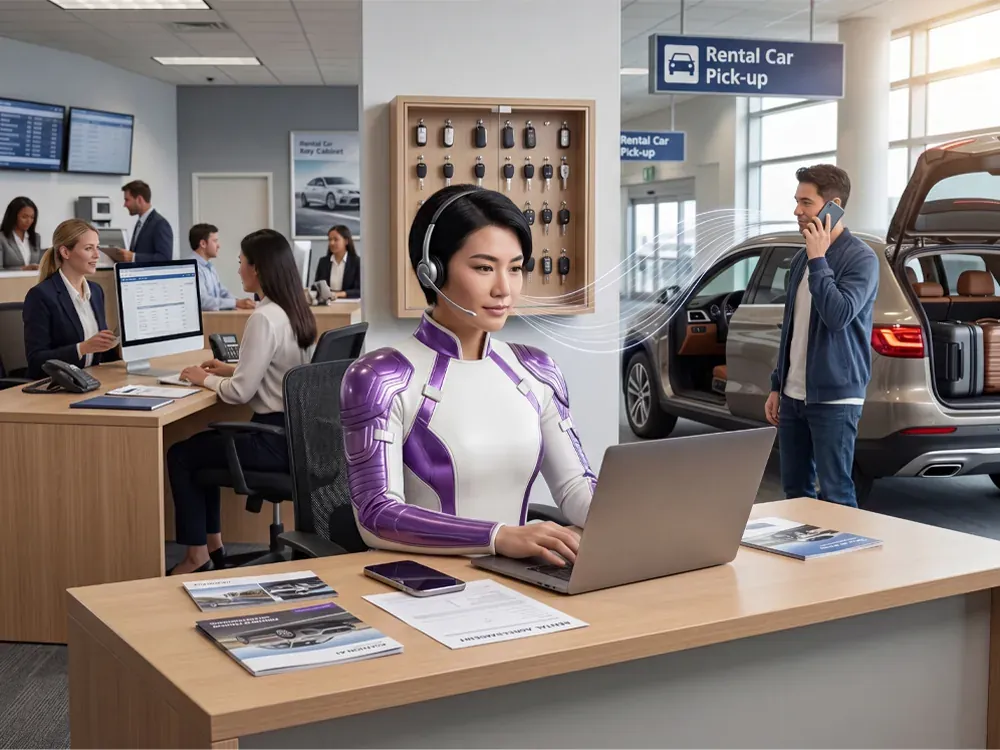 Transportation & MobilitySupport bookings, dispatching, communication with customers, and monitoring and notification of the fleet and defined operational workflows.
 Real EstateHandle property inquiries, qualify leads, schedule appointments, keep tenants informed, and automatically streamline defined operational workflows.
 Retail & E-CommerceHandle customer inquiries, orders, product details, lead management, service requests and operational automation.
 Food & BeverageHandle reservations, customer enquiries, order related communications, service requests and specific business processes.
 EducationSupport student inquiry, admissions, scheduling, administrative processes, and access to approved institutional information to students.
 Corporate ServicesManage customer communication, internal support, workflow processing, information retrieval, document-related tasks and operational monitoring automation.
 Construction & Facility ManagementHandle maintenance requests, service workflows, issue monitoring, scheduling, notices and coordination of operations.
 Beauty & WellnessOffer appointment support, customer communication, reminders, appointment scheduling support, and after-hours service availability.
- Need Support for Another Industry?ZechionAI can evaluate your current environment and develop independent functionality based on your workflow and systems and needs.
Security, Control & Governance
The autonomous AI must be bounded, or else, it will be 24/7.
ZechionAI can include:
Implementation Approach
- 01
Discover
Know your business procedures, systems, hours of operation, customer expectations, and after hours needs.
- 02
Assess
Determine workflows that can be done independently and which workflows need human involvement.
- 03
Design
Outline the architecture, permissions, integrations, escalation rules, controls and success criteria of the AI architecture.
- 04
Build
Develop stand-alone workflows, AI agents, integrations, interfaces, monitoring and supporting infrastructure.
- 05
Test
Verify workflows, performance, security measures, failure conditions, exception handling, and escalation procedures.
- 06
Launch
Install into a controlled environment and set up operational processes.
- 07
Monitor
Monitor and track system activity, performance, errors, exceptions, integrations and escalation events.
- 08
Optimize
Apply operational insights to enhance reliability, response quality, and automation coverage and overall workflow performance.
Related services
 Managed AI ServicesKeep your AI running at peak performance — 24/7.
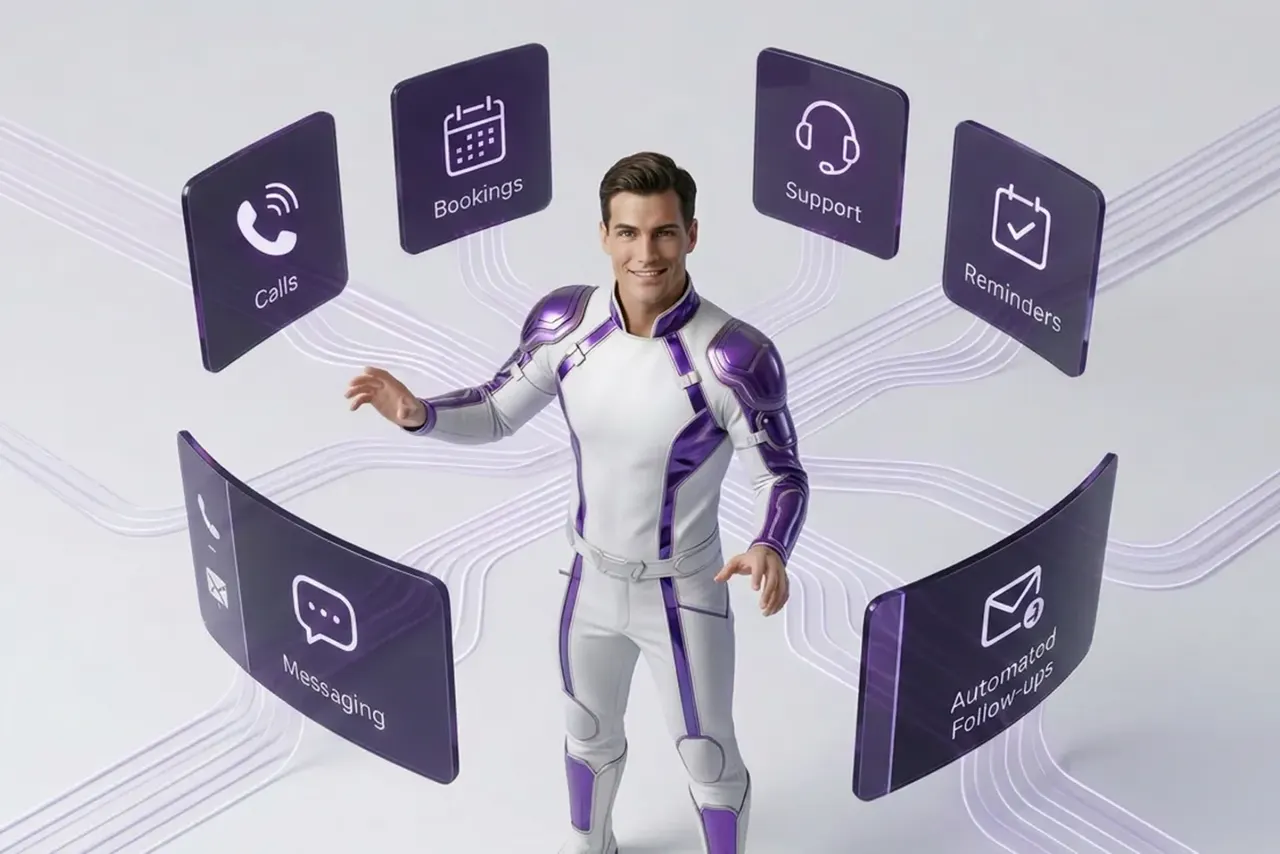 AI Agents & Autonomous AIAI Agents Built Around Real Business Workflows, Data, Tools, and Outcomes
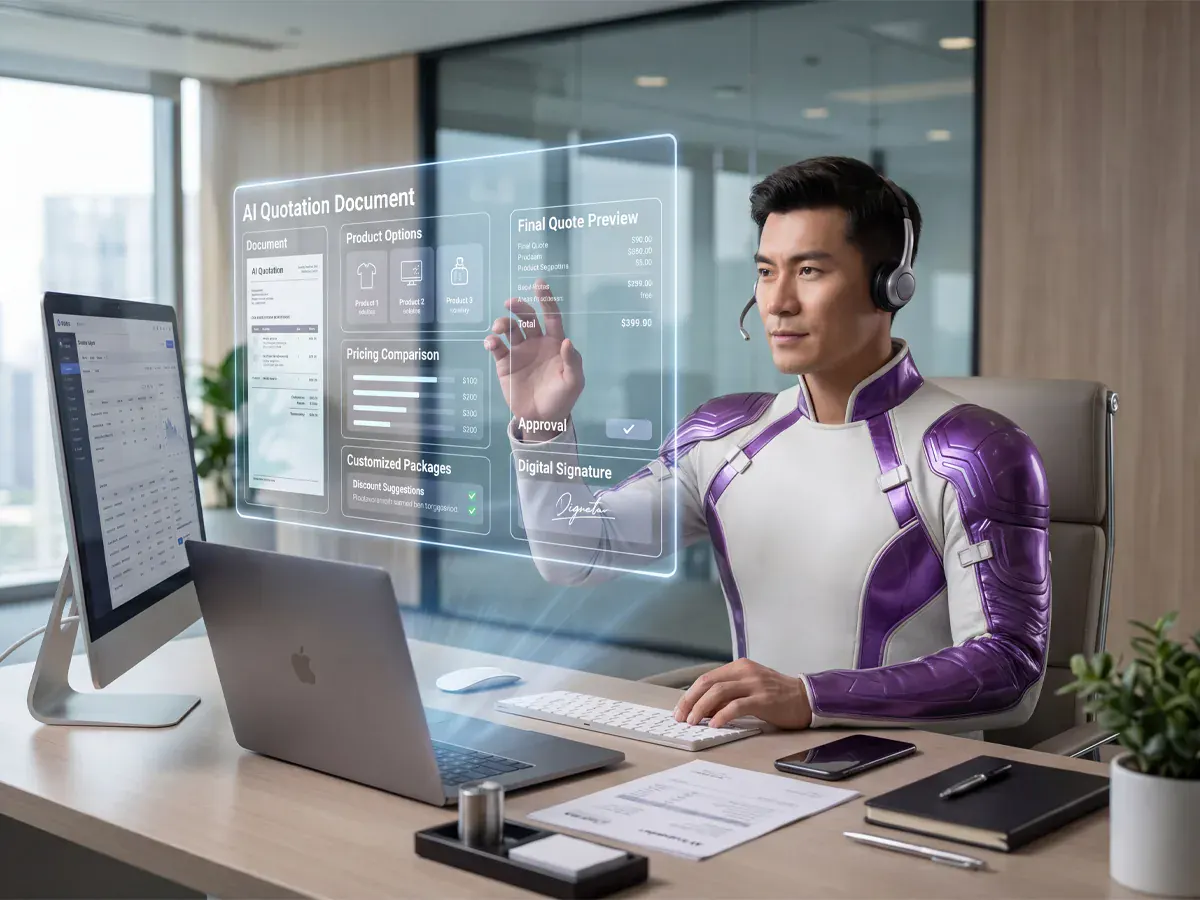 Intelligent AutomationAutomate Repetitive Work. Connect Your Systems. Improve How Your Business Operates.
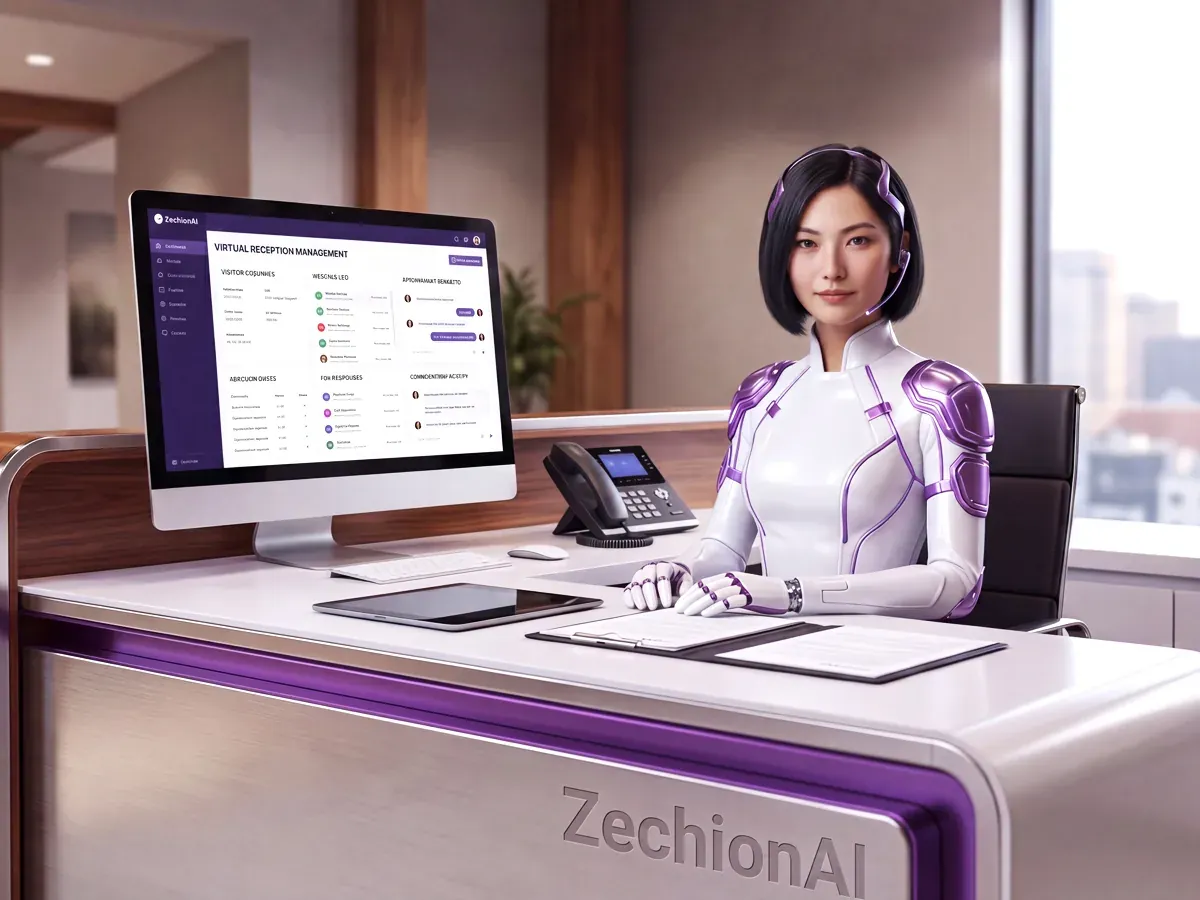 Smart SchedulingMake scheduling easier and optimize workflow using artificial intelligence tools. All powered by one intelligent dashboard, ZechionAI simplifies business scheduling, appointment management, conflict prevention, and ensuring teams and customers are aligned.
 AI Security, Governance & ComplianceSecure AI. Govern AI. Deploy AI Responsibly.
24/7 autonomous AI refers to AI-powered systems that can continuously perform approved business tasks outside normal employee working hours. These tasks can include customer support, monitoring, workflow execution, information retrieval, routing, and predefined actions.
The AI system operates through connected software, APIs, databases, communication channels, and business applications. It can execute approved workflows when triggered by customer requests, schedules, system events, or predefined conditions.
Yes, for appropriately defined tasks. AI can perform approved activities independently, while escalation rules can notify employees when a situation requires human intervention.
No. The most practical model is to use AI for routine and repeatable interactions while employees handle complex, sensitive, high-risk, or judgment-based situations.
Potential tasks include customer inquiries, data retrieval, classification, routing, lead qualification, appointment assistance, ticket processing, monitoring, notifications, reporting, and other predefined workflows.
The system can stop the relevant workflow, record the issue, and escalate it to an appropriate person or team according to configured rules.
Yes. Escalation can be configured around specific conditions, risk levels, workflow failures, customer requirements, or actions that require authorization.
In many cases, yes. Integration depends on the systems involved, available APIs, authentication methods, data structures, permissions, and business requirements.
Yes. ZechionAI can design API-based integrations where the relevant systems provide suitable interfaces and access permissions.
Security depends on how the system is architected and operated. Appropriate controls can include authentication, authorization, permissions, encryption, logging, monitoring, secure integrations, and governance procedures.
Yes. Autonomous workflows can be designed with defined permissions, action boundaries, approval requirements, and escalation conditions.
Yes. Systems can be configured around different operating locations, schedules, customer groups, and time zones where the underlying systems support those requirements.
Yes, for supported request types. AI can respond to routine questions, retrieve authorized information, initiate approved workflows, and escalate requests that require employee involvement.
Monitoring can include workflow status, errors, system events, response behavior, integration health, exceptions, activity logs, and configured operational metrics.
Implementation time depends on the number and complexity of workflows, integrations, security requirements, data sources, testing requirements, and deployment environment. A focused workflow can generally be implemented more quickly than a broad enterprise operating environment.
Yes. ZechionAI can provide ongoing monitoring, maintenance, optimization, integration support, AI evaluation, and operational management based on the engagement model.
Yes. Starting with a focused, well-defined workflow can provide a practical way to validate the operating model before expanding to additional processes.
Almost any industry with repeatable workflows, customer interactions, monitoring requirements, or operational processes can potentially benefit. The appropriate use cases depend on the organization's systems, data, risk profile, and regulatory requirements.
Yes. Small businesses can use autonomous AI for focused applications such as customer inquiries, lead response, appointment scheduling, ticket handling, and routine workflow automation.
Production environments can be designed with monitoring, alerting, failure handling, fallback procedures, and business continuity processes. The appropriate approach depends on how critical the AI service is to the organization's operations.
Keep Your Business Moving—Even When Your Team Is Offline
Your customers, systems, and business processes do not always follow a 9-to-5 schedule.
Talk to Zech, live