AI Solutions for HR & Recruitment
Resume Screening. Candidate Matching. Recruitment Automation. Employee Onboarding.
Talk to Zech, live

ZechionAI helps HR and recruitment teams use artificial intelligence to organize candidate information, support recruitment workflows, automate repetitive administrative work, improve talent-pipeline visibility, and connect AI with existing business systems.
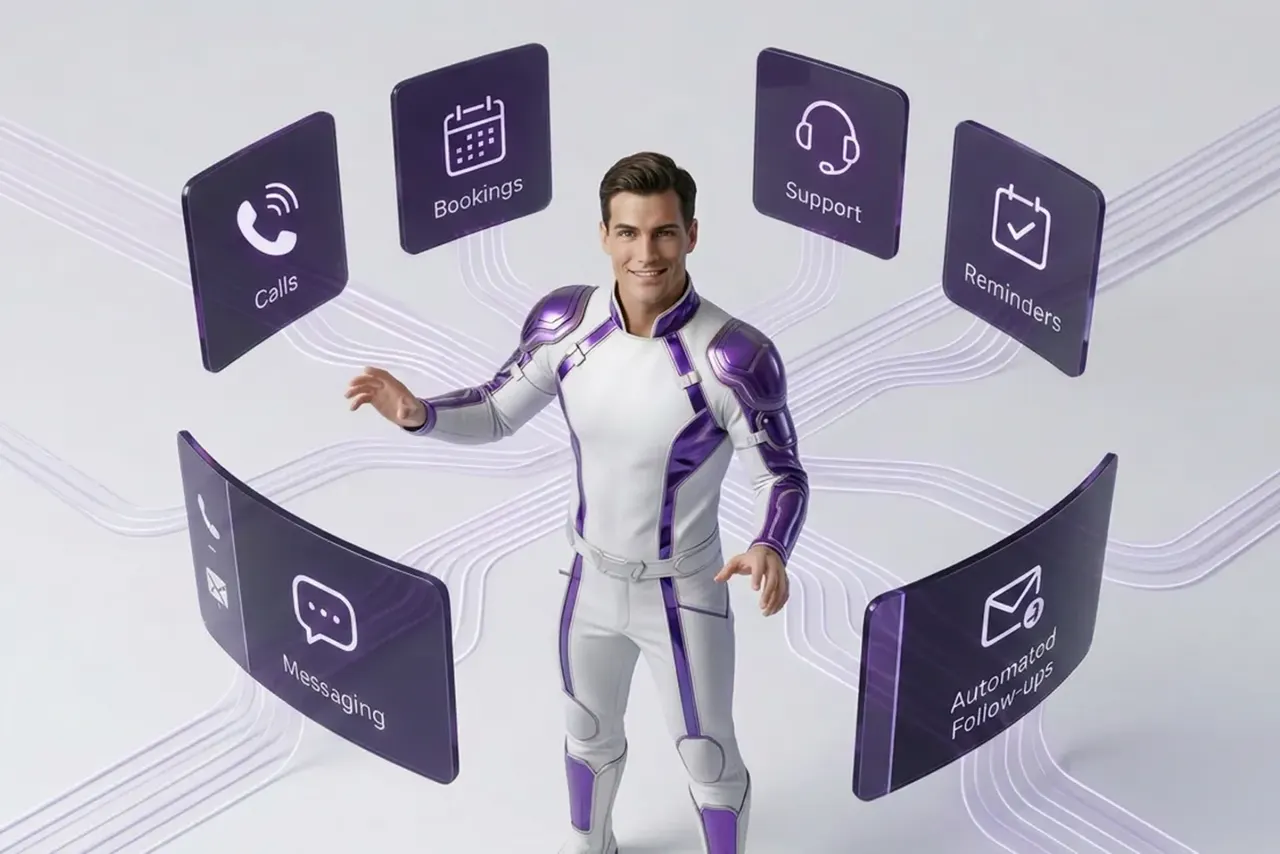
AI for HR & Recruitment
From resume screening and candidate matching to employee onboarding, HR knowledge assistants, document processing, analytics, and workflow automation, we design AI solutions around the way your organization already works.
AI can help your team process information and manage repetitive work. Important employment decisions should remain with qualified people who understand the role, the organization, and the context behind the information.
HR and recruitment is an information-rich, coordination- and communication-heavy process with a significant amount of administration.
Recruiters can have hundreds or thousands of resumes to go through for various positions. HR teams can process policies, employee paperwork, induction processes, internal queries and many systems. Employers must have the relevant information on candidates without having to sift through each of their documents.
ZechionAI assists companies determine how they can utilize AI to support these procedures without swapping out their present HR systems or redesigning each process at a time.
There are several ways that our approach might go:
- The processing and screening of resumes will resume.
- Candidate information extraction
- Candidate-to-role matching
- Comprehensive candidate search and prioritising.
- Job description analysis
- Recruitment workflow automation
- Interview scheduling support
- Candidate communication assistance
- Recruitment analytics
- Talent pipeline analysis
- HR document processing
- Employee onboarding automation
- HR knowledge assistants
- Workforce analytics
- HR data integration
- Managing and monitoring AI Governance.
- Human-in-the-loop review
The goal is pragmatic: Implement AI wherever it can help the ones already doing HR and hiring.
AI can tackle the following HR & Recruitment challenges
The recruitment process, technology, workforces, and volume of hires vary from organization to organization. Depending on the team, they might require assistance in candidate processing, onboarding, HR knowledge, HR analytics or system integration.
AI can offer helpful assistance in the following common areas:
- 01
High Resume Volumes
Opening, reading, comparing, and organizing resumes is a time consuming process for recruiters.
AI can be used to identify the structured information from resumes and generate a candidate summary that can be shared with recruiters.
- 02
Manual Candidate Comparison
Resumes may vary in format, in terms of wording and/or job titles, and in the experience they present as similar.
AI can help to organize and normalize information based on certain criteria.
- 03
Repetitive Candidate Searches
Recruiters can easily hit records in databases that contain multiple sets of skills, experience, qualifications, and job needs.
The search process can be aided by Artificial Intelligence, which can help uncover potentially relevant candidates that might be missed during the manual review.
- 04
Fragmented Recruitment Workflows
Candidates' information can be transferred from the applicant tracking system, to email, spreadsheets, scheduling systems, HR systems, and other applications.
AI and automation can be used to link the right workflow components.
- 05
Administrative Recruitment Work
Communicating with candidates, reminders, collecting documents, scheduling, routing and reporting can take up the recruiting capacity.
There can be repetitive administrative tasks that can be minimized by implementing the right workflow automation.
- 06
Employee Onboarding
For new hires, there can be a need for HR, IT, managers, payroll, training, compliance, and other departments to work in tandem.
AI-powered processes can aid in the coordination of tasks and information.
- 07
HR Knowledge Access
HR teams may be contacted again and again by employees and managers regarding policies, procedures, benefits, onboarding or internal processes.
A well-designed HR knowledge assistant can assist users in finding out information from authorized internal resources.
- 08
Recruitment Visibility
It might be necessary for recruitment leaders to gain a better understanding of the pipeline stages, workload, sourcing activity, and the trends of the sourcing process.
Available data can be condensed into valuable reporting with analytics.
All in one AI Services for HR & Recruitment
The diverse suite of AI services ZechionAI offers allows organizations to collaborate with one technology partner throughout the strategy, development, integration, automation, security, governance, and continuous support of AI.

AI Strategy
Create an HR-related AI strategy for workforce and organizational needs, including recruitment.
AI Opportunity Assessment
Determine processes where AI can offer tangible benefits and differentiate it from conventional processes.
Data & AI Readiness
Evaluating data, data quality, systems, workflows, access needs and technical readiness prior to development.
AI Consulting
Recommendations on AI strategy, use-case development, architecture, implementation, assessment, governance, and continuous improvement.
AI Architecture
Create AI architectures that align with the organization's technology landscape, data needs, security framework and business processes.
Custom AI Development
Create AI solutions based on HR, recruitment, workforce and employee flows.
Machine Learning Solutions
Build machine learning solutions for suitable recruitment-related, workforce-related, forecasting, classification or analytic applications.
Generative AI Solutions
Create controlled generative AI solutions for HR content, knowledge retrieval, communication support, document assistance and internal workflows.
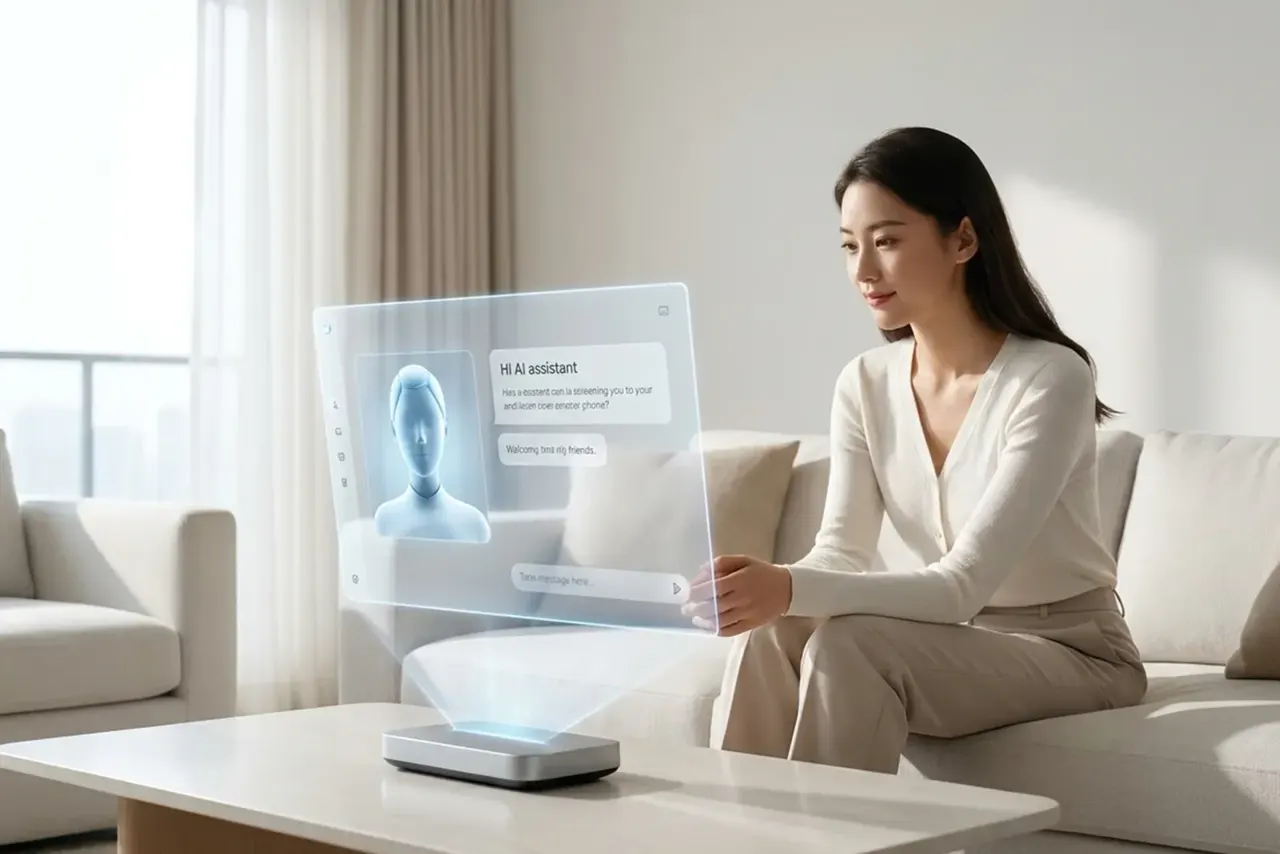
Retrieval-Augmented Generation
Integrate AI assistants with vetted organizational knowledge to enable users to access relevant knowledge from specific HR resources and documents.
AI Assistants
Create role-specific assistants for recruiters, HR teams, hiring managers, employees and other authorized users.
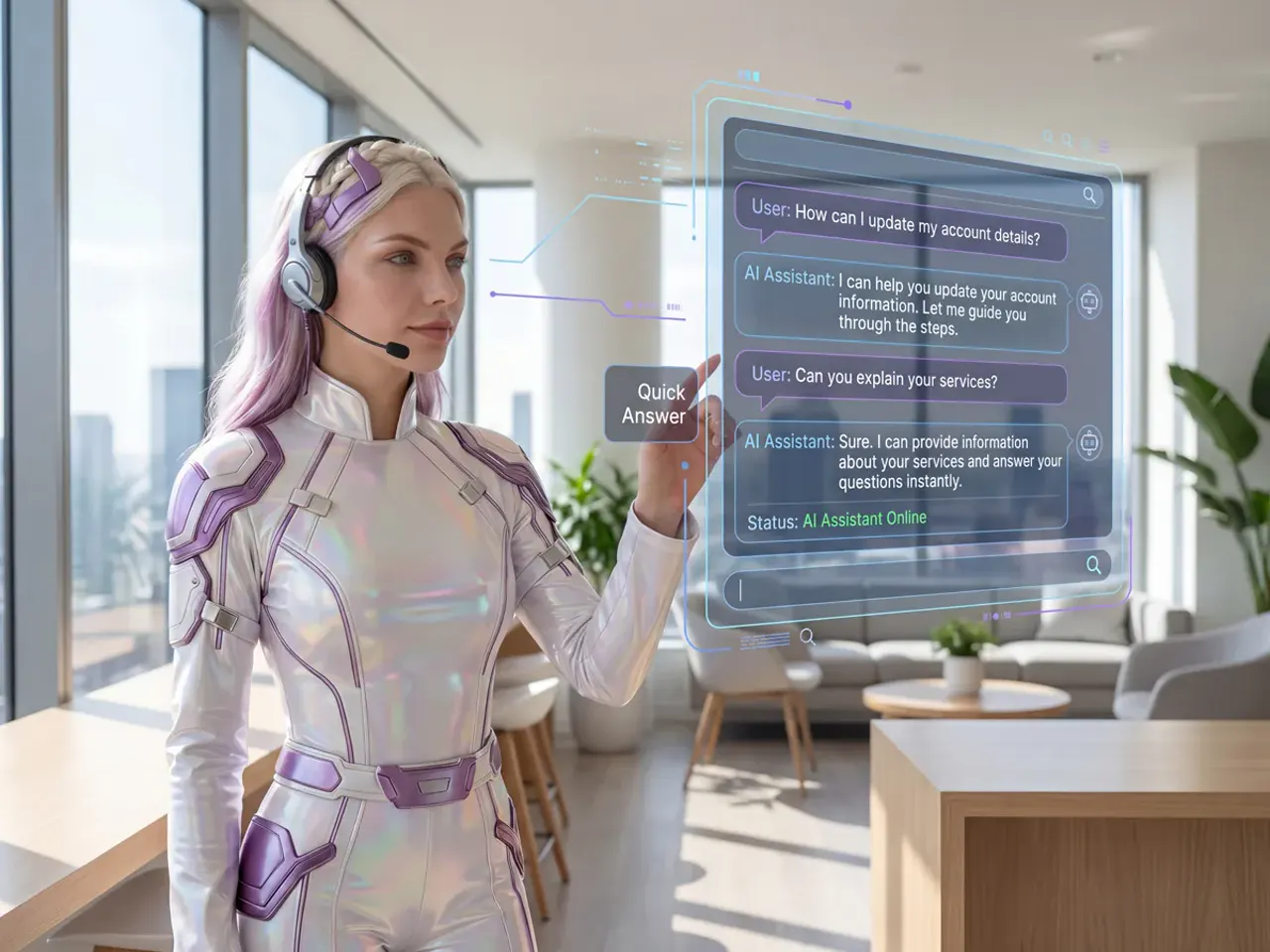
Conversational AI
Develop chatbots to interact with HR data, support recruitment processes, address employee queries, and facilitate workflow automation tasks.
Resume & Document Intelligence
Read, categorize, extract, summarize, normalize and organize information from resumes, applications, forms and HR documents.
Candidate Matching
Match candidate data to specific job requirements and identify any potential candidates that need to be reviewed by humans.
Candidate Search & Ranking Support
Support recruiters in the organization of candidate databases and prioritization of information based on parameters that can be configured.
Predictive Analytics
Create analytical models for suitable use cases for workforce and recruitment.
Recruiting Analytics
Review recruitment pipeline details, process metrics, activity and trends.
Workforce Analytics
Provide support in analysing workforce information and patterns of organisation as appropriate.
Recruitment Workflow Automation
Automate relevant administrative procedures for candidate intake, routing, notification, scheduling, documentation and reporting.
Employee Onboarding Automation
Coordinate communications, documentation, tasks, training, approvals, and internal workflows for onboarding.
HR Data Integration
Connect appropriate HR data sources and applications.
API Integration
Connect with current HR and enterprise platforms via existing APIs to integrate AI applications.
Legacy-System Integration
Offer design integration strategies for systems that can't or don't need to be replaced.
Intelligent Document Processing
Process Resume, Forms, Applications, HR Data Records etc. of any structured or unstructured documents.
Dashboard & Reporting Automation
Automate data preparation and reporting processes, recurring reports and management dashboards.
AI Monitoring
Track AI applications, processes, usage, outputs and identified operational issues once deployed.
AI Security
Design AI systems that are securely built with access control, data control, authentication, authorization, and system protection measures.
AI Governance
Support organizations in defining processes for AI ownership, assessment, monitoring, documentation, access, review and change management.
Model Evaluation
Appraise the quality, consistency, suitability and risks identified, of AI outputs before and after deployment.
Human-in-the-Loop Systems
Provide design workflows that involve human HR, recruitment or management experts in reviewing significant outputs of the AI before taking consequential actions.
AI Optimization
Improve AI applications through assessment, use, evolving needs, and real-world workflow needs.
AI Compliance Support
Facilitate the organization of AI processes within the context of relevant policies and regulations. Qualified legal counsel is still responsible for giving legal advice and making formal legal compliance determinations.
Ongoing AI Support
Support applications with AI in their maintenance, monitoring, optimization, development, integration, governance and technical consultancy.
HR & Recruitment services
11 services
AI-Assisted Resume Screening
One of the areas where AI can minimize repetitive information-processing tasks is resume screening.
ZechionAI can create systems that can assist organizations with the following:
- Ingest resumes
- Learn to interpret various formats of resumes.
- Extract candidate information
- Identify skills
- Extract employment history
- Organize education information
- Identify listed certifications
- Structure job history
- Normalize candidate information
- Summarize resumes
- Match information with job requirements
- Organize candidate profiles
- Search candidate information
- Develop queues for recruiters to review.
The typical flow would be:
Resume Upload → Document Extraction, Structuring of Information, Skills & Experience Analysis, Job Requirement Comparison, Candidate Summary, Recruiter Review.
It is used to make it easier for recruiters to handle information.
The AI should not be the only decision-maker for hiring.
AI Candidate Matching
With defined job requirements, candidate matching can assist a recruiter in narrowing down a large candidate pool.
Information can be used in a matching system to include such things as:
- Required skills
- Preferred skills
- Relevant experience
- Job history
- Education
- Certifications
- Role requirements
- Industry experience
- Use suitable locations as mentioned elsewhere (where appropriate)
- Other organization-defined criteria
A system may be able to assist:
- Search for potentially relevant candidates
- Group candidates based on selected criteria
- Highlight relevant experience
- Surface missing information
- Generate candidate summaries
- Provide matching context
- Support recruiter prioritization
Candidate Matching Workflow
The following steps in the Matching Analysis process are candidates' data, relevant candidates, match explanation, and human review.
Matching should be used to complement, not replace, the recruiter's judgment regarding hiring.
Job Description Intelligence
ZechionAI can create AI-based workflows to assist HR teams in working with job descriptions and role details.
Potential applications include:
- The support for drafting job descriptions.
- Job description analysis
- Skills extraction
- Requirement classification
- Qualification analysis
- Role taxonomy
- Job-family classification
- Requirement comparison
- Duplicate requirement identification
- Candidate-to-role requirement mapping
- Internal job description search
- Consistency of job descriptions
While AI can help find inconsistencies or organize requirements, organizations should still have the proper HR and legal review of employment-related content.
Recruitment Workflow Automation
Often the recruitment process has a lot of repetitive administrative tasks.
ZechionAI can automate appropriate parts of workflows such as:
- Candidate intake
- Resume processing
- Candidate data extraction
- Candidate routing
- Recruiter notifications
- Interview scheduling
- Interview reminders
- Candidate communication drafts
- Candidate status updates
- Document collection
- Approval routing
- Hiring workflow tasks
- Follow-up reminders
- Recruitment reporting
One possible implementation of the automation is:
The team will collaborate to review job postings and submit them to the appropriate recruiters.
Appropriate approval points should be provided for automation and not just everything.
Interview Support with AI
Although AI can help with interviews, it shouldn't be the decision-maker when it comes to hiring.
Potential applications include:
Interview Preparation
Create preparation materials and ideas for questions based on approved job information to prepare for roles.
Interview Scheduling
Organize schedules and reminders.
Interview Documentation
Assist with arranging notes and candidate details.
Candidate Summaries
Develop organised facts for authorised hiring participants.
Feedback Organization
Support interviewer feedback to structure it into a standardised format.
Structured Evaluation Support
Help teams to record assessment based on set criteria.
Put simply, AI should not be used as the final arbiter in deciding on a person's suitability for a job.
ZechionAI is not responsible for making unsupported personality, emotional, character or other sensitive personal judgments with AI.
Employee Onboarding Automation
Once someone accepts an offer, the recruitment process doesn't stop, but it does change.
HR, IT, managers, payroll, training, compliance, facilities, and the employee might be part of the onboarding process.
ZechionAI can assist in linking these workflows.
Potential applications include:
- New-hire workflow coordination
- Document collection
- Policy delivery
- Onboarding task management
- Training assignment
- HR system updates
- IT onboarding coordination
- Equipment requests
- Access request routing
- Manager notifications
- Employee questions
- HR knowledge assistance
- Onboarding reminders
- Completion tracking
Onboarding Workflow
Access to Training and Manager Tasks via Document Collection in HR Tasks and IT Tasks
The aim is to ensure that teams can work together in the onboarding process while getting rid of HR's manual effort in completing each step.
HR AI Assistants
No two users will require the same information.
For Recruiters
- Candidate search support
- Resume summaries
- Job requirement analysis
- Candidate information organization
- Recruitment workflow assistance
- Communication drafting
- Pipeline information
ZechionAI can create tailored AI assistants for authorized users, fitting their specific role.
For HR Teams
- Policy retrieval
- Procedure lookup
- Document assistance
- HR workflow support
- Internal knowledge search
For Hiring Managers
- Role information
- Candidate summaries
- Interview preparation
- Hiring workflow information
- Approved recruitment documentation
For Employees
- HR policy questions
- Onboarding information
- Internal HR knowledge
- Provides benefits and information about the procedure when linked to authorized sources
Access is to be controlled based on user role, organizational policy and the sensitivity of the information.
HR Knowledge & RAG
There is a lot of knowledge within the HR teams.
This may include:
- Employee handbooks
- HR policies
- Standard operating procedures
- Benefits documentation
- Onboarding materials
- Training information
- Recruitment procedures
- Internal forms
- Approved HR documentation
Example
- Employee Question
- Access Check
- Knowledge Retrieval
- Response
- Source Context
- Human Escalation Where Needed
Retrieval-Augmented Generation enables an AI assistant to be linked to a set of chosen sources.
This can assist employees and managers find information without HR needing to respond to all routine questions, by hand.
But, RAG does not imply that information is correct or legally authoritative. The responses will be based on the quality, relevance, permissions and maintenance of the information.
Recruitment Analytics & Predictive Analytics
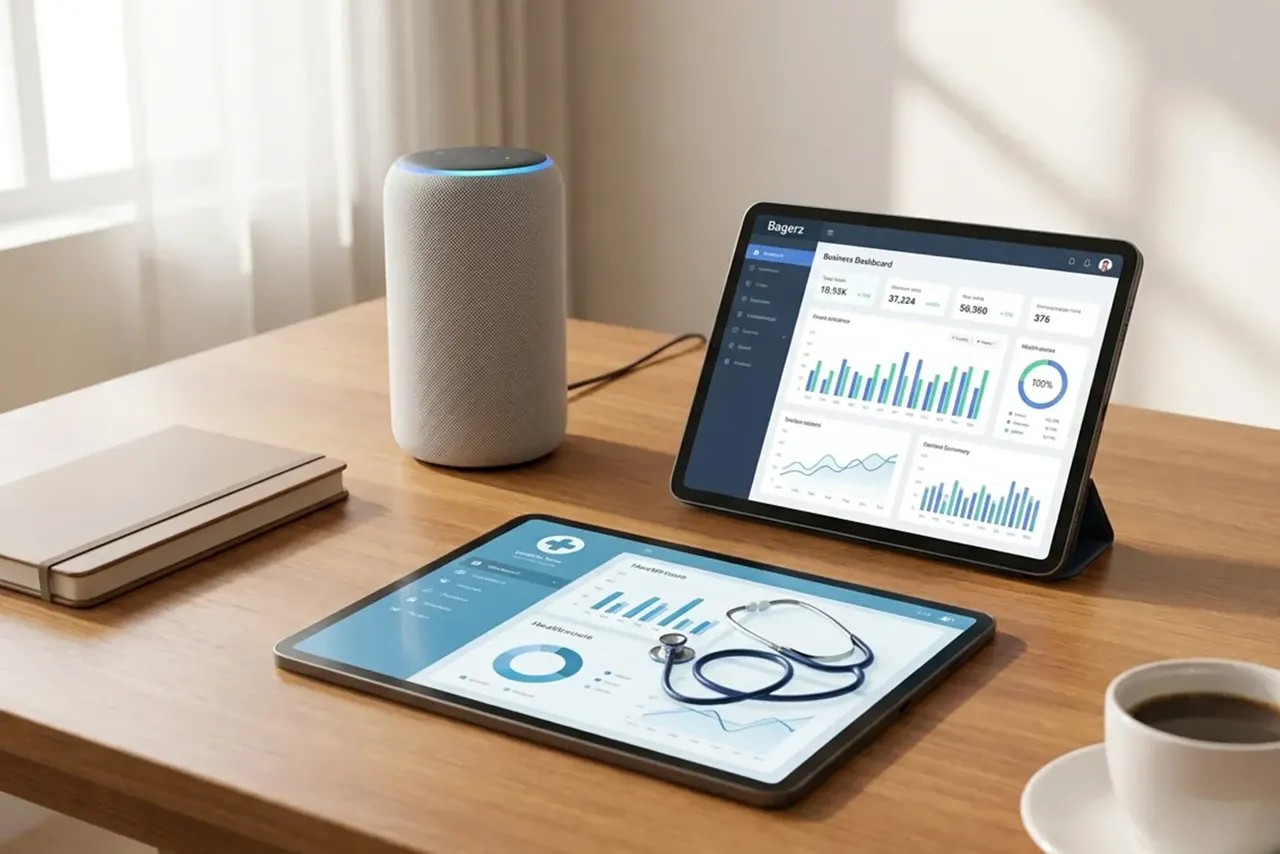
Analytics can help recruitment teams gain insight into the situation of their recruiting processes.
Potential areas include:
- Candidate pipeline analytics
- Recruitment funnel analysis
- Time-between-stage analysis
- Candidate source analysis
- Recruiting workload
- Hiring workflow trends
- Pipeline visibility
- Recruiting capacity planning
- Recruitment volume forecasting
- Workforce analytics
- Demand forecasting
While planning can be soundly aided with predictive models, predictions are not guarantees.
ZechionAI can guide organisations in deciding which data should be used for a specific use case in analytics, how a model should be tested and how the model results should be validated.
HR Data Integration
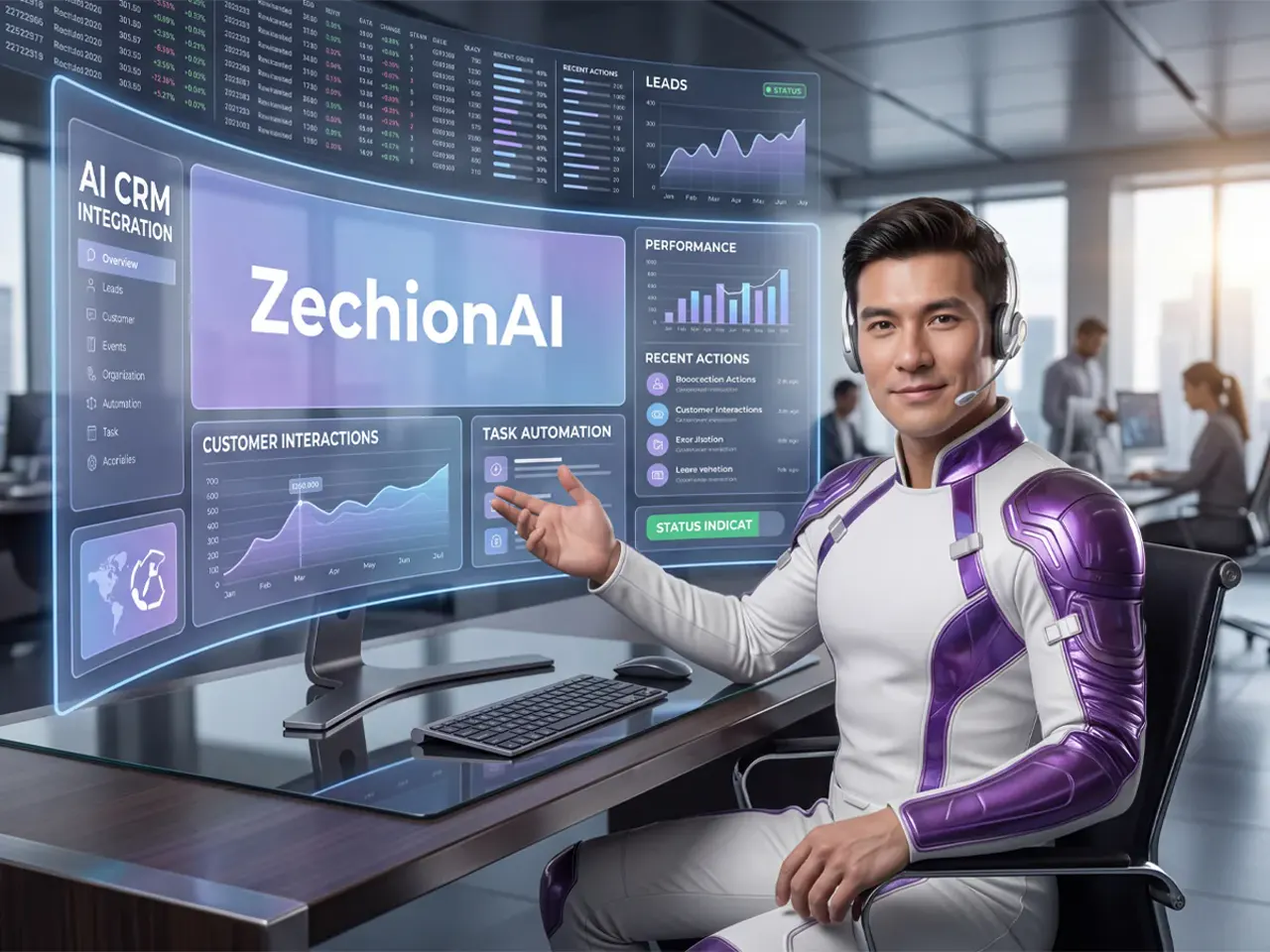
The more systems that AI can integrate with the better.
Depending on the environment, ZechionAI can be designed to create integrations for:
- Applicant Tracking Systems
- Human Resources Information Systems
- Human Capital Management platforms
- Payroll systems
- Workforce management platforms
- CRM platforms
- ERP systems
- Learning management systems
- Access control and identity management systems.
- Document management systems
- Collaboration platforms
- Data warehouses
- Business intelligence platforms
The actual integration method and approach will vary based on available API's, data types, authentication, permissions, vendor capabilities, and architecture.
ZechionAI is not about replacing an organization's current HR technology to start an AI project.
Computer Vision & Document AI for HR
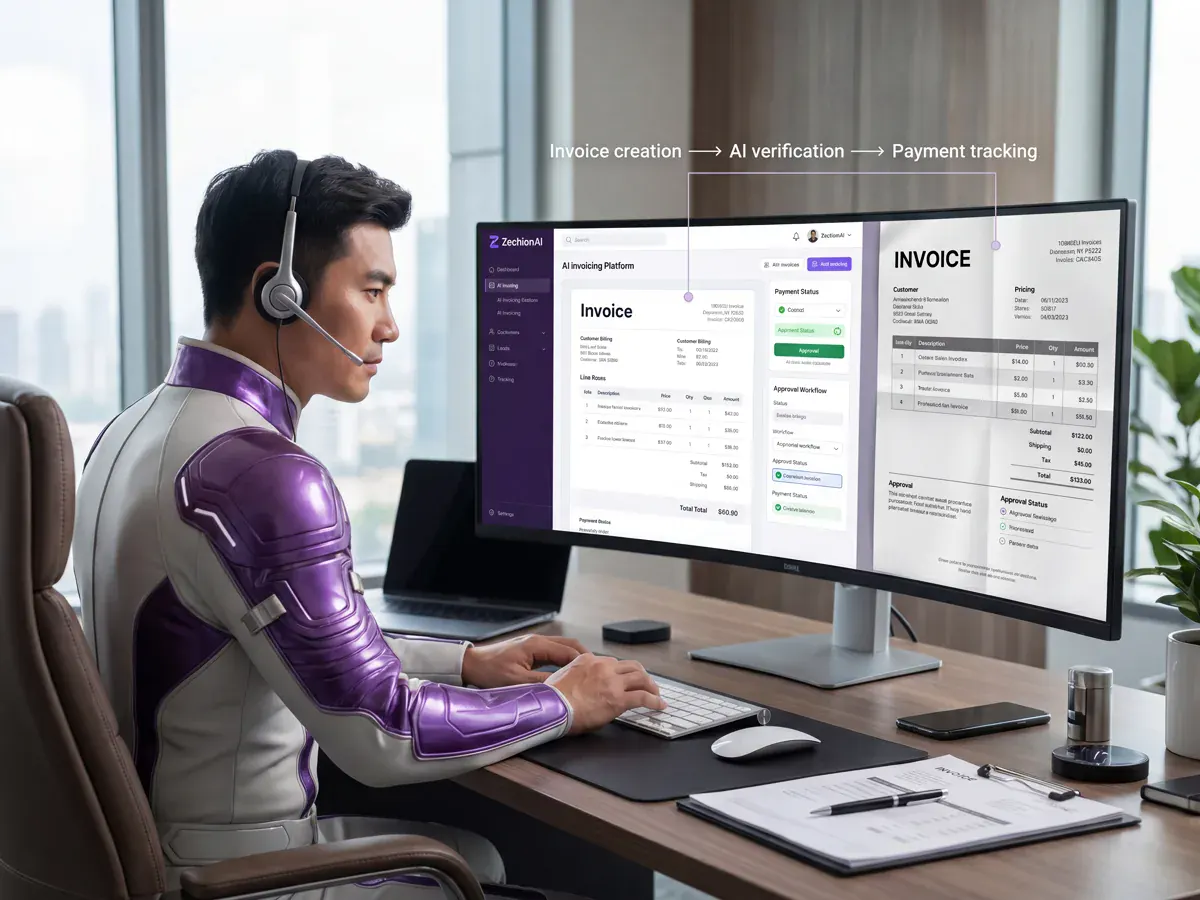
Document AI can be helpful when HR teams deal with numerous forms and documents.
Potential applications include:
- Resume document processing
- Application document extraction
- Document classification
- Form processing
- OCR-supported workflows
- HR document organization
- Document quality checks
- Structured data extraction
- Information routing
These applications can help to minimize manual document handling.
Facial recognition and emotion recognition used in employment-related applications, or other sensitive applications of biometrics, must be tackled with a great deal more care and should not be considered as standard recruitment automation.
AI Automation for HR
Unlike just plugging an AI model into a workflow, ZechionAI takes the approach of designing the workflow to utilize the AI model.
- 01
Capture
Collect information from approved sources.
- 02
Extract
Turn the relevant information into usable data.
- 03
Classify
Group information into categories.
- 04
Analyze
Look for patterns, relationships or information.
- 05
Route
Provide information to the right system/person.
- 06
Review
Let competent people assess key products.
- 07
Approve
Ensure human sign off when required in the flow.
- 08
Execute
Carry out an authorised administrative procedure.
- 09
Monitor
Monitor workflow and the behavior of AI after deployment.
The ZechionAI HR AI Lifecycle
No organization is in the same place.
Our AI lifecycle offers a repeatable process that takes an idea through development and continued refinement:
The 12 steps to discovering, strategizing, designing, building, integrating, deploying, automating, monitoring, securing, governing, optimizing, and scaling.
- 01
Discover
To comprehend the HR or recruitment issue.
- 02
Strategize
Identify appropriate use of AI and prioritize actions.
- 03
Design
Design workflow, data structure, the user experience, controls and review points.
- 04
Build
Design the AI app, model, assistant, automation or integration.
- 05
Integrate
Relate the answer with the available systems, if applicable.
- 06
Deploy
Implement the solution in the desired setting.
- 07
Automate
Automate suitable work steps.
- 08
Monitor
Examine the system behaviour, utilization, outputs, and issues.
- 09
Secure
Ensure data, access, infrastructure and application security.
- 10
Govern
Set up ownership, documentation, review and change management processes.
- 11
Optimize
Refine the system in the light of evaluation and real operational feedback.
- 12
Scale
When the organization is prepared, expand the solution.
This is responsible AI for HR & Recruitment
This is responsible AI for HR & Recruitment.
However, implementing AI in the workplace is not enough; it also needs to be done with a focus on the employee.
HR AI Security & Privacy
HR and recruitment processes may include confidential information.
Security and access should thus be a part of the design of AI systems from the outset.
It may be for a project and can encompass:
- Role-based access
- Authentication
- Authorization
- Encryption where appropriate
- Data segregation
- Secure APIs
- Logging
- Monitoring
- Data retention considerations
- Access reviews
- Vendor assessments
- Secure model architecture
- Controlled data sources
- Taking care of sensitive HR data
The organization's technology environment, data classification, risk profile, contractual requirements, and applicable policies should determine the security requirements.
Why Outsource HR & Recruitment AI?
Building AI internally can require expertise across strategy, data, software engineering, machine learning, integration, security, governance, and ongoing support.
An external AI partner can provide additional capacity without requiring an organization to build every capability internally.
- 01
Access Specialized Expertise
Organizations can bring in AI, data, automation, integration, security, and governance expertise for specific projects or broader initiatives.
- 02
Reduce Initial Development Burden
An external team can help assess opportunities, define requirements, prioritize projects, and determine what should be built first.
- 03
Accelerate Prototyping
A specialized AI partner can help move a suitable idea from assessment to proof of concept and then determine whether production development makes sense.
- 04
Work With Existing Technology
AI can be designed around existing HR and enterprise systems rather than requiring immediate replacement of established platforms.
- 05
Establish Better Governance
An external partner can help organizations introduce evaluation, monitoring, documentation, access, and governance processes around AI applications.
- 06
Extend Internal Teams
ZechionAI can work alongside HR, recruiting, IT, data, security, operations, and leadership teams.
- 07
Continue Beyond Deployment
AI projects require ongoing monitoring, maintenance, evaluation, integration updates, and refinement.
Outsourcing is not automatically the right answer for every organization. The appropriate model depends on internal expertise, project complexity, security requirements, budget, timeline, and long-term ownership goals.
Why Partner With ZechionAI?
ZechionAI brings together AI strategy, development, integration, automation, security, governance, and ongoing support.
Organizations can work with one AI partner across different stages of an initiative.
- 01
One AI Partner
Strategy, development, integration, automation, governance, monitoring, and support can be coordinated through one technology partner.
- 02
Custom Development
Solutions can be designed around a specific HR or recruitment workflow rather than forcing the organization into a generic process.
- 03
Existing-System Integration
AI can be designed to work alongside existing HR and enterprise systems where technically appropriate.
- 04
Human-in-the-Loop Design
Important workflows can include defined review and approval points for qualified personnel.
- 05
Security-Conscious Architecture
Security, access, data handling, and system architecture can be considered from the beginning.
- 06
Governance Support
Organizations can establish processes for evaluation, monitoring, documentation, access, and ongoing review.
- 07
Broad AI Capabilities
ZechionAI can support:
- Predictive analytics
- Generative AI
- RAG
- AI assistants
- Document intelligence
- Workflow automation
- Machine learning
- System integration
- AI monitoring
- 08
Ongoing Partnership
The relationship does not have to end after the initial deployment.
ZechionAI can continue supporting development, optimization, integration, monitoring, and new AI initiatives.
Partnership Models
- 01
AI Assessment
For organizations that want to identify practical AI opportunities before committing to development.
- 02
AI Strategy Partnership
For organizations creating an HR or enterprise AI roadmap.
- 03
Project-Based Development
For a specific resume, recruiting, HR assistant, onboarding, analytics, or automation project.
- 04
AI Automation Partnership
For organizations looking to automate selected HR and recruitment workflows.
- 05
AI Integration Partnership
For connecting AI applications with existing HR and enterprise technology.
- 06
Ongoing AI Development
For organizations with multiple AI projects that require continuous technical support.
- 07
Enterprise AI Partnership
For larger organizations requiring broader AI strategy, architecture, development, integration, governance, security, monitoring, and support.
Who We Serve
ZechionAI can support organizations across different industries and stages of growth, including:
- Startups
- Small businesses
- Mid-sized companies
- Enterprises
- Staffing firms
- Recruiting agencies
- Professional services organizations
- Healthcare organizations
- Financial services organizations
- Technology companies
- Manufacturing organizations
- Logistics companies
- Retail organizations
- Education organizations
- Nonprofits
- Multi-location organizations
Decision-Makers & Teams
We work with organizations involving:
- CHROs
- Chief People Officers
- HR Directors
- VPs of Human Resources
- Talent Acquisition Directors
- Recruiting Directors
- Heads of Talent
- Recruiting Operations Leaders
- COOs
- CIOs
- CTOs
- CDOs
- HR Technology Leaders
- People Operations Leaders
- Workforce Planning Leaders
Practical HR & Recruitment AI Use Cases
Resume Screening
Organize and analyze candidate resumes for recruiter review.
Candidate Matching
Compare candidate information with defined role requirements.
Candidate Search
Help recruiters find potentially relevant candidates within available data.
Job Description Analysis
Analyze job requirements, skills, and role information.
Resume Parsing
Extract structured information from different resume formats.
Skills Extraction
Identify and organize skills described in candidate information.
Candidate Profile Creation
Convert unstructured candidate information into structured profiles.
Recruitment Workflow Automation
Automate selected administrative workflow steps.
Interview Scheduling
Support scheduling, reminders, and coordination.
Candidate Communication
Assist with communication drafts and workflow notifications.
Interview Preparation
Help organize role and candidate information for interview preparation.
Interview Note Organization
Help structure interview documentation.
Recruitment Analytics
Analyze recruitment pipeline and process information.
Talent Pipeline Analytics
Provide visibility into candidate pipeline activity.
HR Knowledge Assistant
Help authorized users find information in approved HR sources.
Employee Onboarding
Coordinate onboarding tasks and information.
HR Document Processing
Extract and organize information from HR documents.
Policy Search
Help employees and managers locate approved policies.
HR Data Integration
Connect selected HR information sources.
Workforce Analytics
Analyze appropriate workforce information.
Recruitment Forecasting
Support planning using available recruitment data.
Hiring Workflow Automation
Coordinate defined steps in the hiring process.
HR Reporting Automation
Automate recurring reporting workflows.
HR Data Classification
Organize HR information according to defined categories.
Example AI Workflows
- 01
Resume Screening
- Resume Upload
- Document Extraction
- Skills & Experience Extraction
- Job Requirement Comparison
- Candidate Summary
- Recruiter Review
- 02
Candidate Matching
- Job Requirements
- Candidate Data
- Matching Analysis
- Relevant Candidates
- Match Explanation
- Human Review
- 03
Recruitment Automation
- Candidate Intake
- Data Processing
- Classification
- Routing
- Recruiter Review
- Communication
- Status Update
- 04
Employee Onboarding
- Offer / Approval
- New-Hire Record
- Document Collection
- HR Tasks
- IT Tasks
- Training
- Manager Tasks
- Employee Support
- Completion Tracking
- 05
HR Knowledge Assistant
- User Question
- Access Check
- Knowledge Retrieval
- Response
- Source Context
- Human Escalation Where Needed
What ZechionAI Does Not Promise
AI can be useful in HR and recruitment, but it is not a substitute for responsible human decision-making.
ZechionAI does not promise:
- Guaranteed hiring outcomes
- Guaranteed candidate quality
- Bias-free hiring
- 100% accurate candidate matching
- Fully automated employment decisions
- Guaranteed legal compliance
- Elimination of recruiters
- Elimination of HR professionals
- Guaranteed employee retention
- Guaranteed workforce predictions
- Zero-risk AI
Our focus is on building systems that help people process information, manage workflows, analyze data, retrieve knowledge, and make better-informed decisions.
AI services for HR & Recruitment
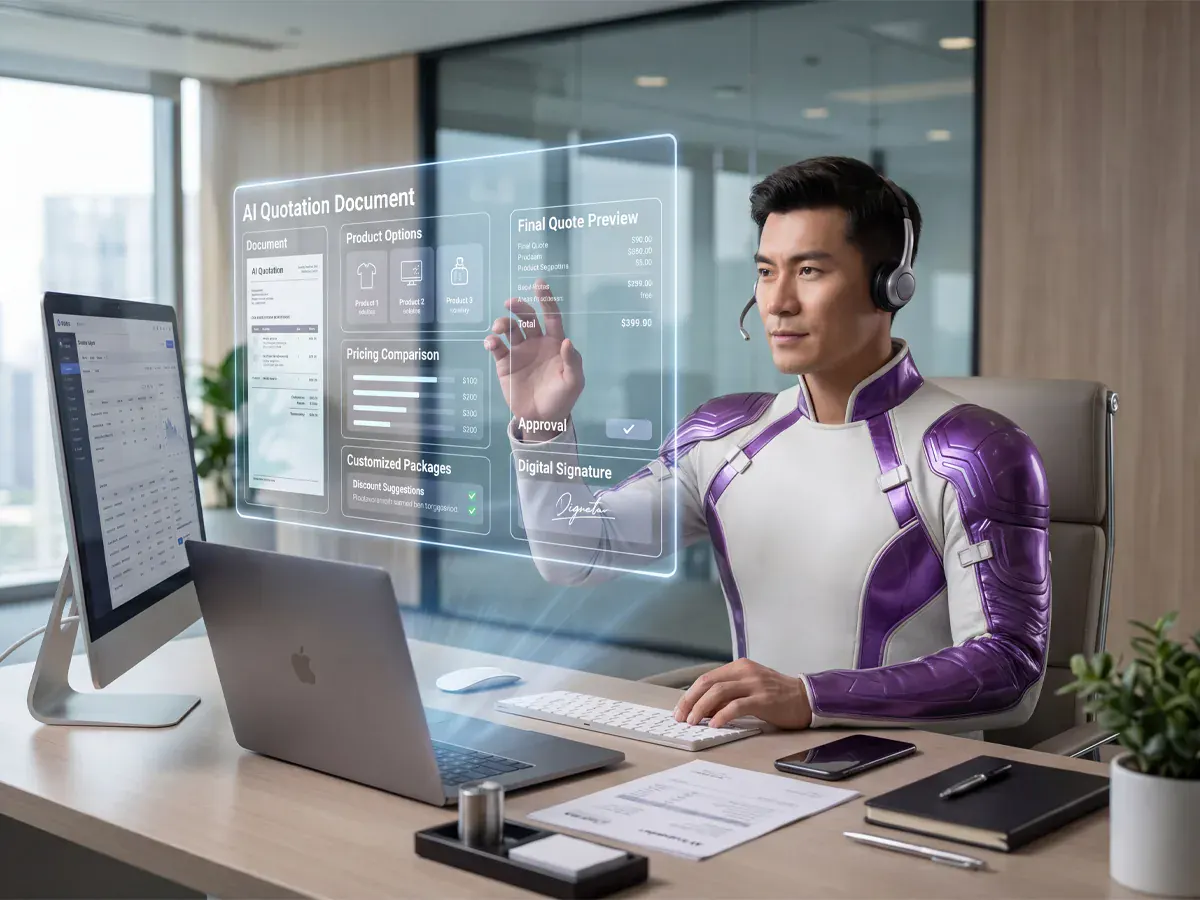 Intelligent AutomationAutomate Repetitive Work. Connect Your Systems. Improve How Your Business Operates.
 AI Security, Governance & ComplianceSecure AI. Govern AI. Deploy AI Responsibly.
- Document Processing & OCRTurn Documents Into Structured Data, Intelligent Workflows, and Actionable Information
 AI Strategy & AdvisoryPractical AI Strategy for Scalable Business Transformation
- Predictive AnalyticsTurn Historical and Real-Time Data Into Better Business Decisions
- RAG SystemsYour organisation has knowledge that is valuable. It can appear in documents, databases, policies, contracts, websites, technical manuals, CRM, research files and internal applications.
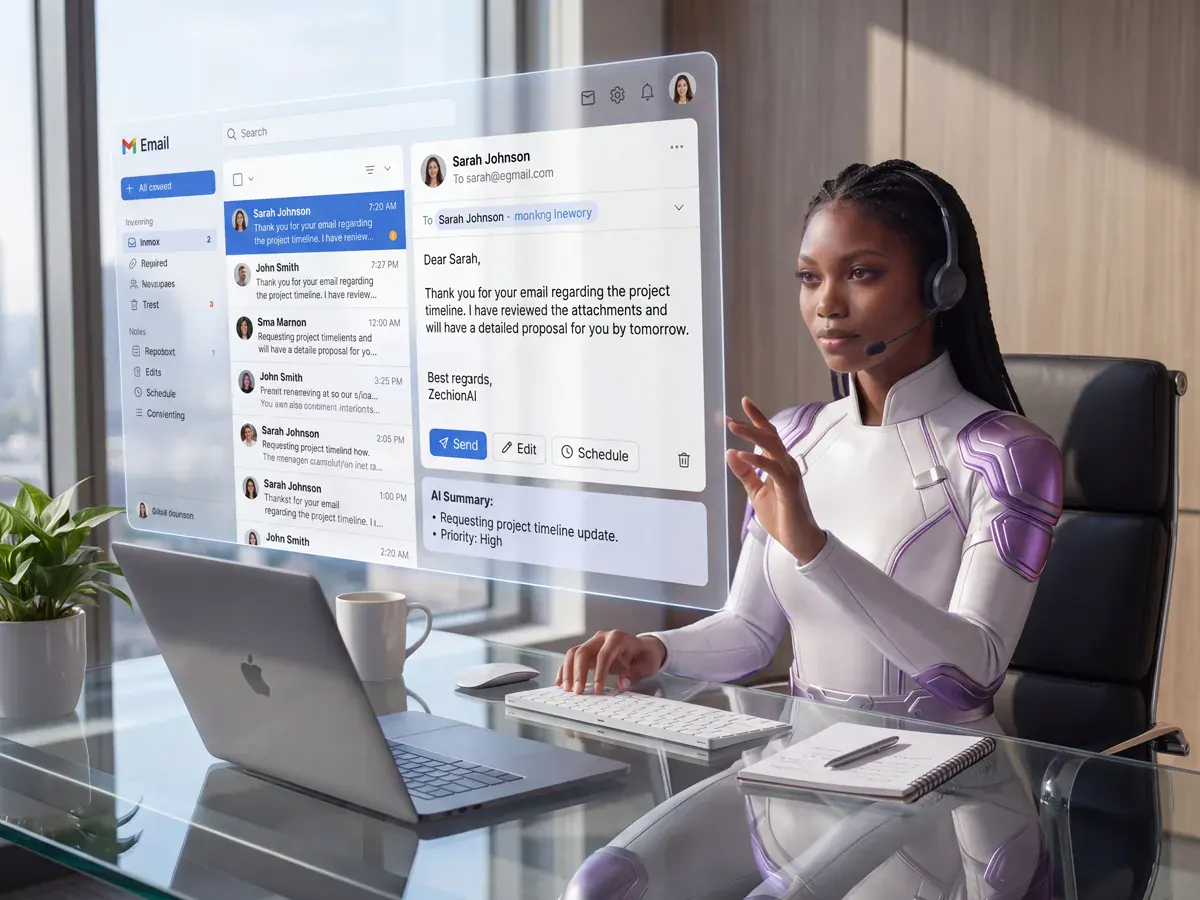 Generative AIGenerative AI can give employees quicker access to institutional knowledge and enable tasks that are information-rich to be automated.
- AI DevelopmentBuild AI Around Your Business—not the Other Way Around
AI for HR and recruitment refers to applications of artificial intelligence that can assist with activities such as resume processing, candidate search, candidate matching, recruitment analytics, HR knowledge retrieval, document processing, workflow automation, and employee onboarding.
Yes. AI can extract and organize information from resumes and compare that information against defined job requirements. The resulting information can then be presented to recruiters for review.
A system can receive resumes, extract structured information, identify skills and experience, compare information with defined criteria, and prepare summaries or review queues.
AI can support candidate-to-role matching using criteria defined by the organization. The output should be treated as decision support rather than an automatic hiring decision.
ZechionAI does not recommend treating AI as the final decision-maker for consequential employment decisions. Qualified people should remain responsible for appropriate hiring decisions.
Yes. A candidate matching system can be designed around an organization's job requirements, candidate data, workflow, technology environment, review process, and governance requirements.
Yes. AI can identify and organize skills described in resumes and other candidate documents. Organizations should determine which skills and criteria are actually relevant to each role.
Yes. AI can compare candidate information with defined role requirements and surface relevant information for recruiter review.
Yes. Selected workflow steps such as data extraction, routing, notifications, scheduling, document collection, and reporting can be automated where appropriate.
Yes. AI-assisted search can help recruiters locate potentially relevant candidates using skills, experience, qualifications, role requirements, and other approved criteria.
AI and workflow automation can support scheduling, reminders, availability coordination, and related administrative activities.
Yes. AI can help prepare communication drafts, notifications, reminders, and other administrative messages. Organizations should determine which communications require human review.
Yes. AI can organize job information, suggest role-specific questions, prepare candidate summaries, and help structure interview materials.
Yes. AI can summarize information from resumes and approved candidate records. Summaries should be reviewed when they influence important employment decisions.
Yes. AI and workflow automation can coordinate documents, tasks, reminders, training assignments, HR information, IT requests, and other onboarding activities.
Yes. Document AI can classify documents, extract information, organize records, and route information to appropriate systems or people.
Yes. ZechionAI can design role-specific assistants for recruiters, HR teams, hiring managers, and employees using approved information sources.
Yes. An HR assistant can answer questions using approved organizational information such as policies, procedures, onboarding materials, and other authorized sources.
Yes. A properly configured knowledge assistant can help authorized users locate information in approved HR policy repositories.
Retrieval-Augmented Generation connects an AI system to selected knowledge sources so it can retrieve relevant information before generating a response.
AI can be designed to integrate with an Applicant Tracking System where the platform provides suitable technical integration capabilities.
Yes, where the HRIS provides an appropriate integration method and the organization's security and data requirements can be met.
Potentially. Integration depends on APIs, data structures, permissions, authentication, vendor capabilities, and the organization's technology architecture.
AI solutions can be designed with appropriate access controls, data handling procedures, authentication, authorization, logging, data segregation, and security measures based on the project requirements.
Human oversight means defining points in the workflow where qualified personnel review AI outputs before important actions are taken.
Yes. AI systems can produce problematic outcomes if data, criteria, model design, implementation, or workflow decisions create or reproduce unwanted patterns. Evaluation and appropriate human oversight are therefore important.
Evaluation should consider factors such as the intended use, data quality, output quality, consistency, potential risks, human review, security, privacy, governance, and applicable requirements.
Yes. ZechionAI can help organizations structure governance processes around ownership, access, documentation, evaluation, monitoring, change management, human review, and ongoing system management.
Yes. Ongoing monitoring can include system behavior, workflow performance, usage, output evaluation, technical issues, and changes in the surrounding environment.
Yes. Organizations can engage ZechionAI for continued development, integration, optimization, monitoring, maintenance, and additional AI projects.
The timeline depends on the use case, data readiness, integration requirements, system complexity, security requirements, testing, and organizational review process. A focused proof of concept may require substantially less work than a production enterprise platform.
Yes. Smaller organizations can begin with focused applications such as resume processing, HR knowledge search, document automation, recruiting workflow support, or onboarding.
Yes. Staffing and recruiting agencies may use AI for candidate search, resume processing, candidate matching support, workflow automation, recruiter assistance, reporting, and other appropriate applications.
Yes. Enterprise projects can include multiple AI applications, integrations, data sources, workflows, security requirements, governance processes, and ongoing support.
Cost depends on the scope of the project. A focused assessment or proof of concept will generally require less investment than a production AI platform involving multiple integrations, workflows, users, or custom models. ZechionAI can scope projects according to the organization's requirements.
Yes. Organizations can begin with one workflow, evaluate the results, and expand into additional use cases when appropriate.
Yes. ZechionAI can work alongside internal IT, HR, recruiting, data, security, and operations teams.
Integration possibilities depend on the systems involved and their available technical interfaces. ZechionAI can evaluate the existing environment before recommending an integration approach.
Yes. Onboarding automation can handle selected administrative and coordination tasks while HR professionals remain responsible for appropriate employee processes and decisions.
Start with the business problem rather than the technology. Identify the workflow, understand the data involved, assess the potential risks, determine where human review is required, and evaluate whether AI provides a meaningful advantage over simpler solutions.
Start With One HR Workflow
Organizations do not need to automate their entire HR or recruitment operation at once.
Talk to Zech, live