
Insurance AI Solutions
Smarter Claims. Better Risk Intelligence. More Responsive Insurance Operations.
Talk to Zech, live

- Claims
- Underwriting
- Customer Service
- Fraud
- Operations
Insurance organizations manage enormous volumes of claims, policies, documents, customer interactions, and risk information. Much of that work still depends on manual review, disconnected systems, and processes that make it difficult to act quickly.

ZechionAI helps insurance organizations put AI to work across those operations.
From claims intake and document processing to risk assessment, fraud detection, policy assistance, predictive analytics, and workflow automation, we design AI solutions around the way your insurance business actually operates.
Intelligent Automation for Insurance in the Service of Operations
The best time to use Insurance AI is when it addresses a particular operational challenge and not just because of the availability of the technology.
Large volumes of paperwork can need to be processed and then it becomes necessary to decide which claims should be attended to at the moment. Underwriters must have the right information presented in a clear manner before they can make an informed decision about the risk. Customer-service staff should have quick access to correct policy data. There is a need for management to have a clearer view of claims, risk, retention, fraud indicators and operational performance.
To meet these needs, ZechionAI combines capabilities in machine learning, generative AI, NLP, computer vision, predictive analytics, IDP, automation and data intelligence.
Our role can be responsible for coming up with the best opportunity and building it up, integrating it into the system, deploying it, monitoring it, governing it and optimizing it over time.
Our approach to discovery is to assist you in strategizing your search for the right solution, designing it, building it, integrating it, deploying it, automating it, monitoring it, securing it, governing it, optimizing it, scaling it, and more.
Operational Insurance Solutions Built Using Artificial Intelligence
3 services
Claims Automation with AI
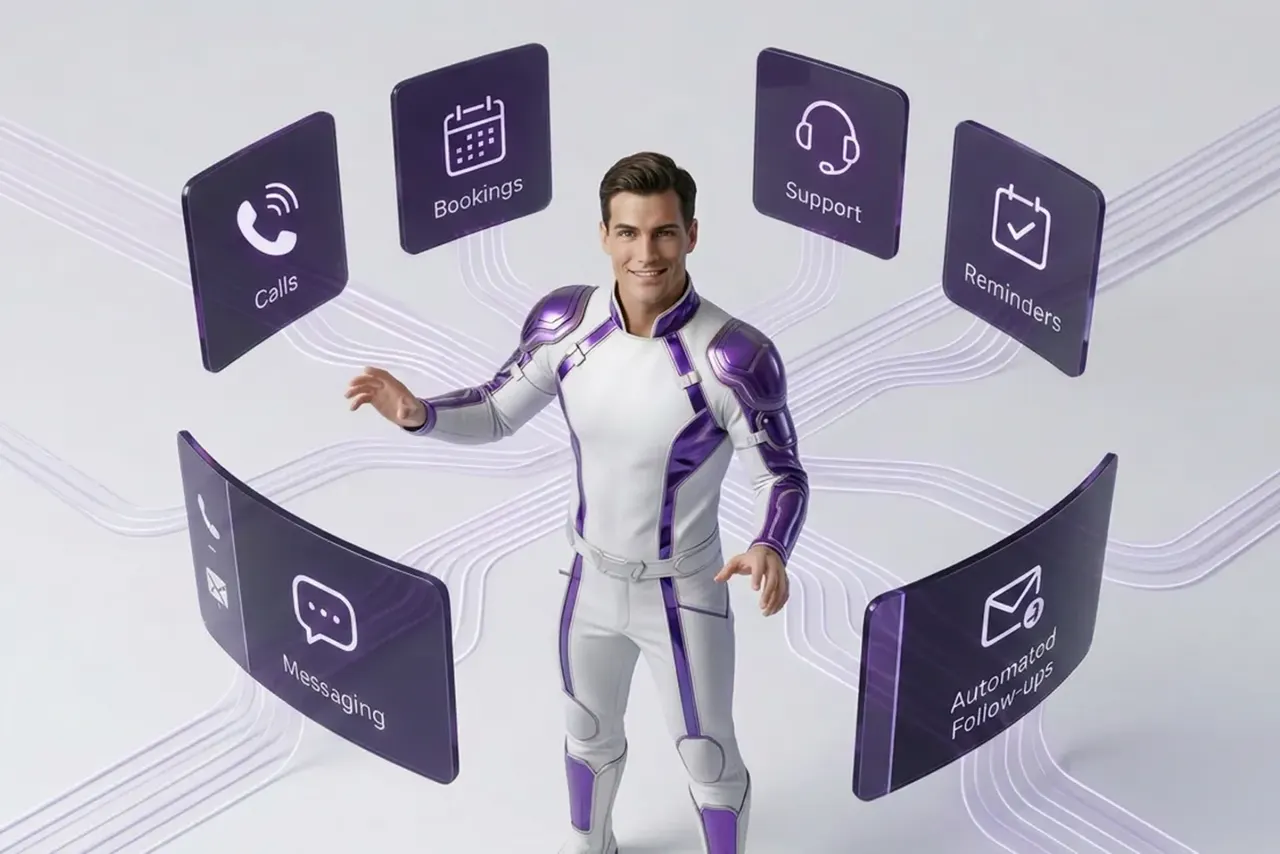
The information for claims processing comes from a variety of sources, such as forms, emails, PDFs, photographs, invoices, estimates, policy records, correspondence, and supporting documents.
Claims AI Capabilities
- The automation of First Notice of Loss (FNOL).
- Claims intake
- Claim classification
- Document collection
- Document extraction
- Policy information retrieval
- Coverage verification support
- Claims validation
- Claims triage
- Claim routing
- Missing-information detection
- Claims prioritization
- Adjuster assistance
- Settlement workflow support
- Claims correspondence
- Claim summaries
- Status notifications
- Escalation management
- Claims analytics
ZechionAI can put that information into a more structured workflow for insurers.
AI can search and categorize data contained in claim forms, emails, PDFs, repair estimates, invoices, policy documents and other documents and images.
Technology That Helps with Claims Automation
OCR can process information from scanned forms and documents to make usable data.
With natural language processing, relevant information can be found in written descriptions, emails, notes and correspondence.
When appropriate, computer vision can help in the analysis of photographs and other visual evidence.
Machine learning can be used to classify claims, find patterns, prioritize cases, and aid in predictive analysis.
Generative AI can summarize documentation, draft communications, offer information from approved sources, and aid adjusters.
The goal isn't to get individuals out of the claims process. Complex, sensitive, unusual or high-risk cases can be referred to qualified professionals for review.
AI Risk Assessment & Predictive Intelligence

Insurers have a lot of data—the past and the present. The challenge is to make that information useful for the decision making process.
Potential Applications
- Risk scoring
- Claims probability modeling
- Claims severity prediction
- Loss prediction
- Customer risk segmentation
- Underwriting decision support
- Portfolio risk analysis
- Policy lapse prediction
- Customer churn prediction
- Anomaly detection
- Fraud risk indicators
- Exposure analysis
- Use predictive analytics in situations of catastrophe if appropriate
- Renewal propensity modeling
ZechionAI can build predictive models that assist insurance teams to grasp risk, discover patterns, and decide on priorities on which to focus their attention.
Relevant historical data, operational data, customer data, data from approved data sources, and other relevant data may be combined in models to detect patterns that are not revealed by a manual analysis.
The emphasis is not on automated decision making but on decision support.
AI models used in insurance should be tested, monitored, documented, explainable (where appropriate) and be properly supervised and governed by humans.
AI Policy-Query Chatbots & Insurance Assistants
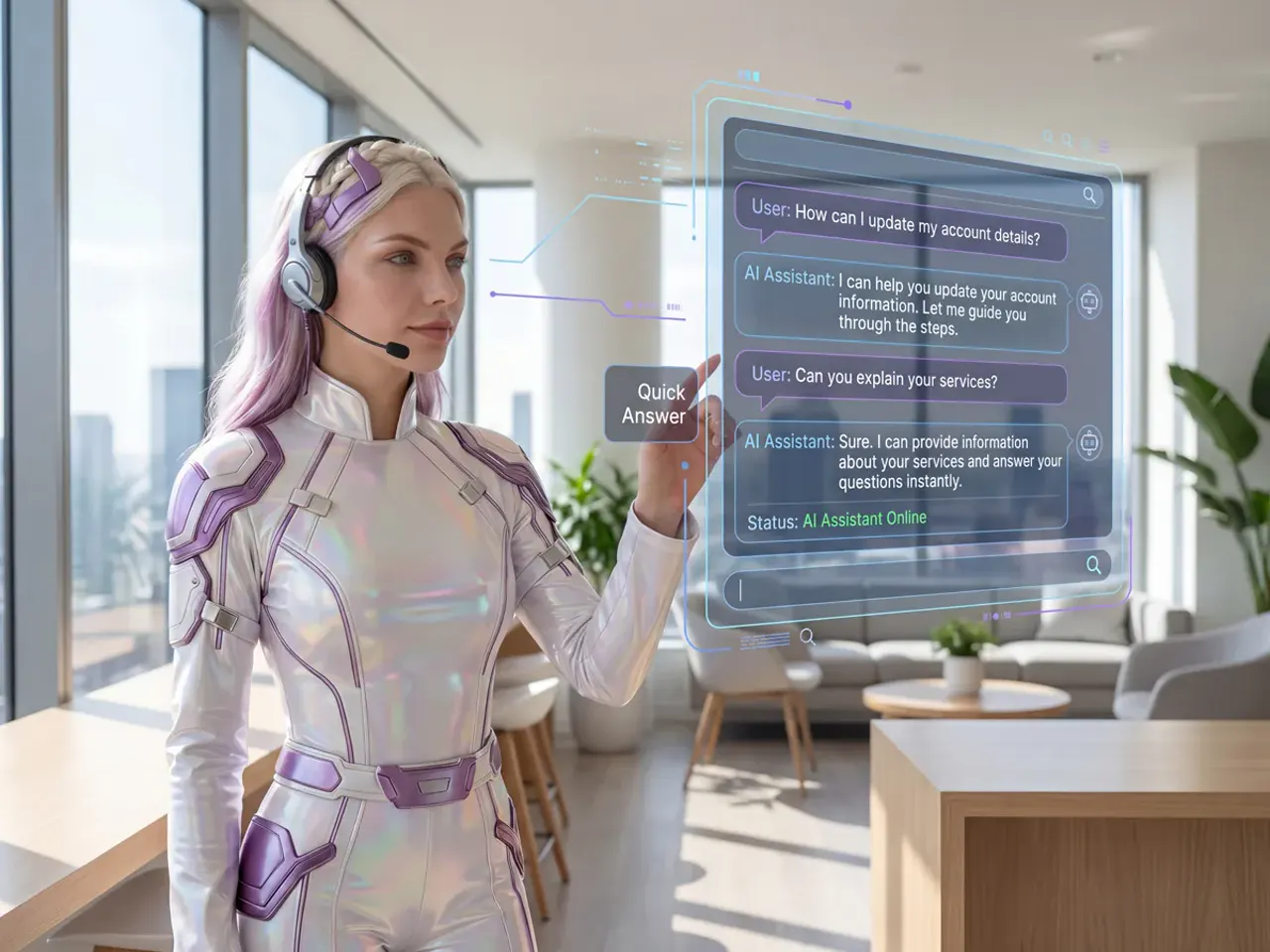
Answering questions that are hidden within policy documents, procedures, knowledge bases, or enterprise systems is often a requirement for policyholders, agents, brokers and employees.
Consumers May Query About
- Policy coverage
- Policy terms
- Deductibles
- Premium information
- Renewal dates
- Policy documents
- Claims status
- Required documents
- General claims procedures
- Payment information
- Policy changes
- Frequently asked questions
With the capabilities of ZechionAI, an AI can be created to provide access to approved information through natural language interactions, which can be beneficial to the insurance industry.
Each team has the option of using assistants for their own internal teams.
Internal Team Assistants
- Agent support
- Broker support
- Claims knowledge
- Underwriting information
- Internal procedures
- Policy interpretation support
- Knowledge retrieval
- Employee assistance
Insurance Chatbot Capabilities
- Natural-language conversations
- Retrieval-Augmented Generation (RAG)
- Approved knowledge-source retrieval
- Context-aware responses
- Conversation history
- Authentication integration
- Role-based access
- Human escalation
- Support in multiple languages as needed.
- Multi-channel deployment
- Knowledge-base management
- Conversation analytics
The assistant can be programmed to answer with information from approved and current sources instead of an unsupported generated answer.
The system should be set up to support authoritative content, access control, and escalation pathways to support policy-specific information.
AI-Powered All-in-One Services for Insurance
ZechionAI can be used throughout the entire AI lifecycle by insurance organizations and not just for this application.
AI Strategy & Advisory
- Insurance AI readiness assessments
- AI opportunity identification
- AI roadmap development
- Use-case prioritization
- AI business-case development
- Data readiness assessments
- AI adoption strategy
- AI governance strategy
- AI transformation consulting
We guide organizations to identify the potential of AI to be useful before investing heavily in its development.
AI Development & Engineering
- Custom AI applications
- Machine learning solutions
- Generative AI applications
- LLM applications
- AI agents
- Conversational AI
- NLP solutions
- Computer vision
- Predictive analytics
- Recommendation systems
- Decision intelligence
Solutions can be developed for a specific insurance workflow or department, customer experience or enterprise requirement.
Claims AI
- Claims automation
- FNOL automation
- Claims triage
- Claims classification
- Claims document processing
- Claims summarization
- Claims routing
- Claims analytics
- Claims anomaly detection
- Adjuster assistance
Underwriting & Risk AI
- Risk scoring
- Predictive underwriting support
- Risk segmentation
- Loss prediction
- Portfolio analytics
- Exposure modeling
- Customer risk analysis
- Renewal prediction
- Decision-support systems
Fraud Detection AI
Insurance fraud isn't a matter of recognising just one odd data point. Some relationships, some historical patterns, some claim characteristics, some documentation, some behavior, between cases can be useful in fraud intelligence.
ZechionAI can develop solutions for:
- Fraud risk scoring
- Suspicious-claim detection
- Anomaly detection
- Pattern recognition
- Network analysis
- Duplicate claim detection
- Identifying and documenting anomalies in identities and documents
- Investigative prioritization
The capabilities can be useful for investigators to help direct their efforts in cases that require more investigation, as opposed to relying on AI outputs as a final conclusion.
Intelligent Document Processing
Significant amounts of documents are created during insurance processes.
ZechionAI can automate the handling of:
- Policy documents
- Claim forms
- Applications
- Invoices
- Estimates
- Emails
- Supporting documentation
- Customer forms
- Correspondence
- Insurance records
Document Processing Capabilities
- OCR
- Document classification
- Data extraction
- Document validation
- Form processing
- Email intelligence
- Claims document processing
- Policy document processing
Customer Experience AI
AI can be used to assist policyholders and insurance professionals in various communication channels.
Services Include
- Insurance chatbots
- Policy assistants
- Customer-service automation
- Agent assistants
- Voice AI
- Email automation
- Knowledge assistants
- Personalized customer communications
Goal is to accelerate routine interactions and preserve handling of human interactions at an appropriate level.
AI Automation & Workflow Integration
ZechionAI can automate repetitive processes throughout an insurance operation.
Examples Include
- Claims workflows
- Underwriting workflows
- Customer-service workflows
- Back-office processes
- Approval workflows
- Data-entry tasks
- Notification workflows
- Document-routing processes
- Exception handling
- API-driven automation
In addition to adding automation to the insurer's current systems, it does not necessarily require them to overhaul their technology infrastructure.
Data Intelligence & Analytics
Convert insurance data to information that teams can use.
Services Include
- Insurance dashboards
- Predictive analytics
- Business intelligence
- Data pipelines
- Data engineering
- Customer analytics
- Claims analytics
- Operational analytics
- Risk intelligence dashboards
AI Integration
AI solution can be integrated with existing technology frameworks such as:
- Policy administration systems
- Claims management platforms
- CRM systems
- Customer portals
- Document management systems
- Data warehouses
- Data lakes
- APIs
- Enterprise applications
The assessment of integration requirements is done on a case-by-case basis on the basis of the organization's existing architecture and technology environment.
MLOps & AI Operations
Deploying an AI model is just one part of the project.
ZechionAI can provide:
- Model deployment
- Model monitoring
- Performance monitoring
- Drift detection
- Retraining
- Version management
- Production support
- AI observability
- Incident management
To optimize the model and optimize the workflow.
This assists organizations to sustain their AI systems following its initial setup.
AI Security, Governance & Compliance
Proper controls should be implemented over data, access, models, and business decisions within the insurance AI space.
ZechionAI can support:
- Access controls
- Data protection
- Audit trails
- Model governance
- Explainability
- Human oversight
- AI risk management
- Data governance
- Responsible AI practices
- Security monitoring
- Regulatory alignment
Specific regulatory requirements vary by jurisdiction, insurance line, use case, data and organizational responsibilities.
Insurance Lines We Serve
ZechionAI solutions can be applied to various insurance settings such as:
- Property & Casualty Insurance
- Auto Insurance
- Home Insurance
- Commercial Insurance
- Life Insurance
- Health Insurance
- Travel Insurance
- Business Insurance
- Specialty Insurance
- Marine Insurance
- Workers' Compensation
- Reinsurance
- Insurance Brokers
- Managing General Agents
- Third-Party Administrators
- InsurTech Companies
- Insurance Agencies
The capabilities of AI are not suitable for every insurance line. We start off with the business problem, data available, regulatory considerations, and the operational needs.
AI Use Cases by Business Function
Insurance Function: Claims
Intake, triage, document processing, anomaly indicators, summarization

Insurance Function: Underwriting
Each of these areas requires further research. These are areas in which research is needed.

Insurance Function: Customer Service
AI can play a role in crafting policy, assist in chatbots and voice AI.
Insurance Function: Fraud
Anomaly detection and risk scoring, pattern analysis
Insurance Function: Operations
Workflow automation, document processing

Insurance Function: Sales
Lead scores, personalization and agent support.
Insurance Function: Renewals
Churn prediction, renewal intelligence
Insurance Function: Finance
Reporting, forecasting & automation of reconciliation.
Insurance Function: Compliance
Monitoring and document analysis and audit support.
Insurance Function: Management
Predictive dashboards & decision intelligence
AI Technologies We Use
ZechionAI chooses the technology that best fits the problem, not every insurance organization.
Our capabilities include:
- 01
Machine Learning
Patterns that are modeled, information that is classified, outcomes that are predicted, and decisions that are made about operations.
- 02
Generative AI & LLM Applications
Use for summarization, knowledge retrieval, document analysis, as well as content creation and employee support.
- 03
Retrieval-Augmented Generation
AI-powered tools that access information from authorized enterprise sources and return a response.
- 04
Natural Language Processing
Policy documents, emails, claims descriptions, correspondence, and other written information analysed.
- 05
Computer Vision
Use of appropriate images and visual evidence as applicable to the insurance use case.
- 06
Predictive Analytics
Risk, claim, churn, renewal and operational trend predictive models.
- 07
Intelligent Automation
Integration of AI decisions and data processing with repeatable business workflows.
- 08
OCR & Document Intelligence
Form extraction and information classification from forms, PDFs, scans, invoices etc.
- 09
AI Agents
Task oriented systems that can execute specific multi-step processes with the proper controls.
- 10
Data Engineering
Data pipelines and data infrastructure needed to feed reliable data into AI systems.
- 11
API Integration
Links between AI applications and existing enterprise systems.
- 12
MLOps
Operational tools and processes to deploy, monitor, maintain and enhance models.
- 13
AI Governance
Responsible deployment, monitoring, access, documentation and oversight controls.
Insurance Professionals Can Be Supported by AI. It's Not a Substitute for Judgment
The implications of insurance decision have repercussions on financial and customer aspects as well.
ZechionAI therefore creates AI systems based on suitable human involvement.
AI Can
- Handle repetitive work
- Organize information
- Surface relevant records
- Prioritize cases
- Identify patterns
- Assist employees
- Prepare summaries
- Improve response times
- Support decisions
- Detect exceptions
- Escalate uncertain cases
Human professionals continue to have a role to play where judgement, accountability, customer's situation, organisational policy or regulatory requirements dictate.
It will vary from case to case.
What Are the Reasons to Outsource Insurance AI to ZechionAI?
- 01
Reduce Internal Technology Pressure
Creating an internal capability will need data specialists, machine learning engineers, software engineers, integration skills, security tools, and a staffing of operational support.
By providing a wider range of capabilities to the insurance organization without the need for each role to be developed in-house, ZechionAI empowers them to leverage more capabilities.
- 02
Accelerate Implementation
A systematic approach can be used to turn an idea into a proven production solution and not miss the business requirements while following the path of AI.
- 03
Reduce Development Risk
Structured experimentation helps mitigate risks of unstructured experimentation by means of discovery, data assessment, validation, testing, monitoring, governance, and controlled deployment.
- 04
Access All the AI Functionalities
One AI partner can be used to manage strategy, development, document intelligence, automation, analytics, integration, deployment, and ongoing operations.
- 05
Modernize Existing Operations
AI doesn't have to stand in for central insurance technology. New capabilities can be added around existing systems, via API, data pipelines, workflow integration and well-designed applications, in many cases.
- 06
Scale as Needs Change
An organization can start on one practical use case and grow as they determine the value and controls of the operation.
- 07
Ongoing AI Management
ZechionAI can be engaged in monitoring, maintaining, optimizing, retraining, troubleshooting, and governance of deployed solutions.
Benefits of Working with ZechionAI
Organizations can benefit from a well-built insurance AI program that supports them in achieving the following:
- Faster claims processing
- Reduced manual workload
- Better operational efficiency
- Improved customer service.
- Improved information and access to insurance.
- More consistent workflows
- Identification of potential risks at a younger age
- Improved fraud-investigation prioritization
- Higher employee productivity
- Stronger underwriting support
- Better customer service, which is more scalable.
- Better management visibility
- Less repetitive, administrative tasks.
- Stronger AI governance
- Flexible implementation
- Long-term AI optimization
During discovery, the relevant business outcomes and metrics are determined and will be closely tied to the use case, data, processes, and implementation environment.
The ZechionAI Insurance AI Implementation Lifecycle
- 01
Discover
Understand your insurance processes, objectives, technology environment, data, operational challenges, and business priorities.
- 02
Assess
Evaluate AI readiness, data quality, systems, risks, dependencies, and potential opportunities.
- 03
Strategize
Prioritize use cases according to expected business value, feasibility, risk, data availability, and implementation requirements.
- 04
Design
Define the AI architecture, workflows, user experience, integrations, security controls, and governance model.
- 05
Build
Develop the required models, applications, agents, automations, data pipelines, and supporting services.
- 06
Integrate
Connect the solution with relevant insurance and enterprise systems.
- 07
Test
Evaluate accuracy, reliability, security, performance, usability, and human-review mechanisms.
- 08
Deploy
Move the validated solution into the production environment using an appropriate deployment approach.
- 09
Monitor
Track model performance, system health, data quality, usage, errors, and potential model drift.
- 10
Optimize
Improve models, prompts, workflows, integrations, data pipelines, and user experiences based on operational feedback.
- 11
Govern
Maintain appropriate controls around access, auditability, security, explainability, documentation, and responsible AI.
- 12
Scale
Expand proven capabilities across departments, products, customer journeys, and business functions.
Security, Privacy & Responsible AI
Insurance organizations work with information that requires careful handling.
ZechionAI can design solutions with appropriate controls such as:
Designed Around Business Outcomes

ZechionAI approaches insurance AI with measurable operational objectives in mind.
Depending on the project, organizations may evaluate:
Claims
- Claims cycle time
- Manual processing requirements
- Claims handling workload
- Exception volumes
Customer Experience
- Response times
- Resolution rates
- Self-service utilization
- Escalation patterns
Risk
- Risk visibility
- Predictive model performance
- Portfolio insights
- Underwriting decision support
Fraud
- Investigation prioritization
- Anomaly identification
- Duplicate or suspicious-pattern detection
Operations
- Processing time
- Automation coverage
- Employee productivity
- Workflow consistency
Management
- Data accessibility
- Reporting speed
- Forecasting capability
- Decision visibility
The goal is to establish relevant measurements for the specific use case—not to promise the same outcome for every insurance organization.
AI services for Insurance
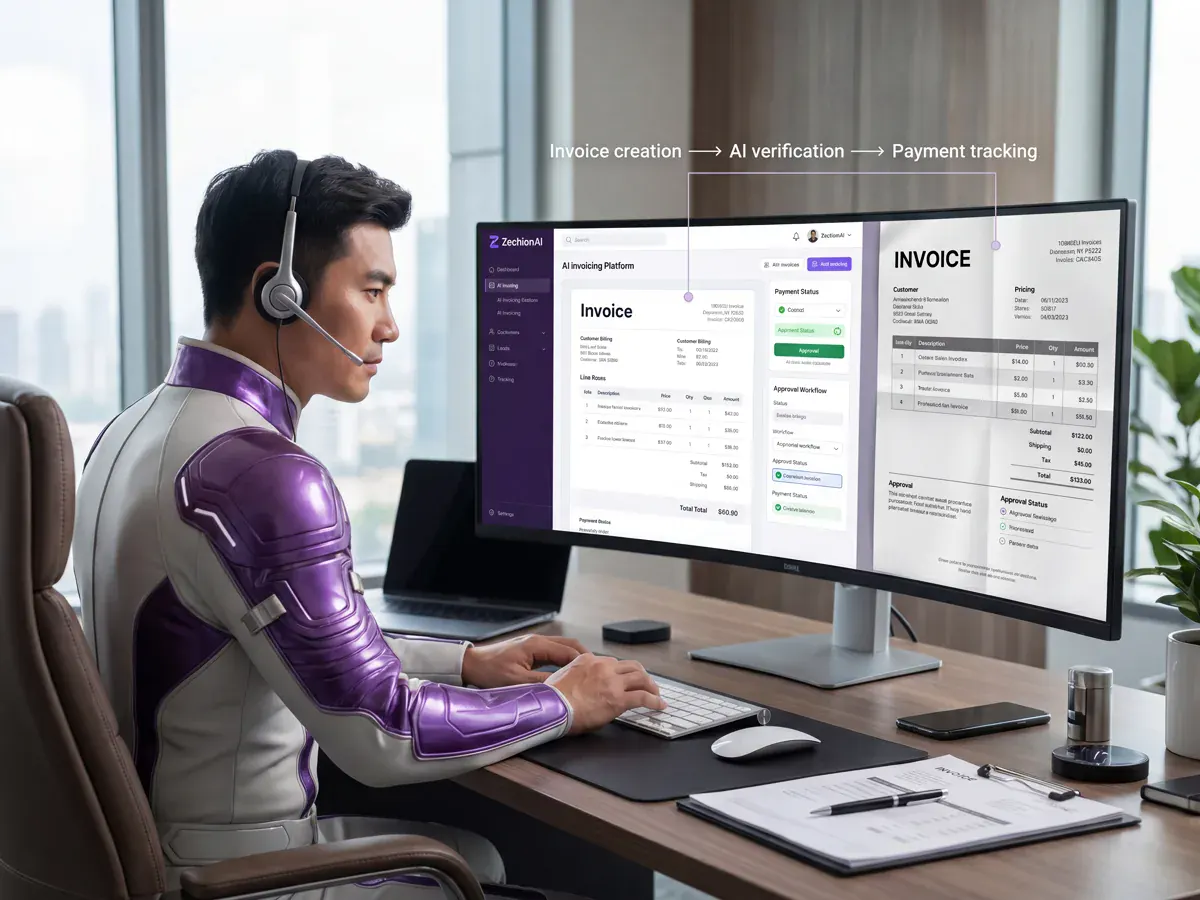 Document Processing & OCRTurn Documents Into Structured Data, Intelligent Workflows, and Actionable Information
- Predictive AnalyticsTurn Historical and Real-Time Data Into Better Business Decisions
- AI Security, Governance & ComplianceSecure AI. Govern AI. Deploy AI Responsibly.
 Intelligent AutomationAutomate Repetitive Work. Connect Your Systems. Improve How Your Business Operates.
- MLOps & AI OperationsTurn Machine Learning Models Into Reliable, Production-Ready AI Systems
 Generative AIGenerative AI can give employees quicker access to institutional knowledge and enable tasks that are information-rich to be automated.
 Computer VisionTurn Visual Data Into Actionable Intelligence
 Natural Language ProcessingTurn Unstructured Language Into Actionable Business Intelligence
ZechionAI provides AI strategy, claims automation, risk analytics, underwriting support, fraud detection, intelligent document processing, conversational AI, workflow automation, predictive analytics, AI integration, MLOps, and AI governance services.
Yes. Claims AI can assist with intake, classification, document extraction, triage, validation, routing, summarization, notifications, and other workflow activities. Appropriate human review can remain part of the process.
Yes. Predictive models can analyze approved data sources to support risk assessment, segmentation, loss prediction, portfolio analysis, and underwriting workflows. The appropriate level of automation depends on the use case and applicable requirements.
Yes. ZechionAI can develop conversational assistants for policyholders, agents, brokers, and internal teams.
Yes. A knowledge-grounded assistant can be designed to retrieve information from approved policy documents and other authorized knowledge sources.
Yes. OCR and document-intelligence capabilities can classify documents and extract relevant information from forms, PDFs, scans, invoices, and other records.
Yes. AI can identify patterns, anomalies, duplicates, relationships, and other indicators that may help investigators prioritize cases for further review.
Potentially, yes. Integration can be designed through APIs, data pipelines, middleware, or other appropriate approaches depending on the existing architecture and system capabilities.
Yes. ZechionAI can develop models for risk scoring, claims probability, claims severity, churn, renewal propensity, anomaly detection, and other suitable use cases.
Yes. Human review and escalation can be built into workflows where judgment, accountability, customer circumstances, or applicable requirements make it appropriate.
Solutions can incorporate access controls, authentication, encryption, audit logging, data governance, secure integrations, environment separation, and other appropriate security measures based on project requirements.
The timeframe varies significantly. A focused proof of concept can have a different timeline from an enterprise claims platform or integrated predictive-modeling program. Scope, data readiness, integrations, validation, security, and governance requirements all affect delivery.
Yes. Starting with a focused, well-defined use case can be an effective way to validate technical feasibility, operational fit, and business value before expanding.
Yes. Depending on the environment, ZechionAI can support model monitoring, optimization, integration, retraining, troubleshooting, MLOps, governance, and other operational requirements.
Yes. Ongoing services can include monitoring, maintenance, model performance management, retraining, optimization, troubleshooting, and production support.
Yes. AI assistants can help agents and brokers retrieve approved information, prepare summaries, answer routine questions, support customer interactions, and navigate internal knowledge.
Yes, multilingual capabilities can be considered where the selected AI architecture, knowledge sources, channels, and business requirements support them.
Success metrics are defined according to the use case. Examples include processing time, workload reduction, response time, model performance, automation rates, customer-service metrics, investigation prioritization, and operational efficiency.
The system can be designed to recognize defined uncertainty conditions and route cases to a human reviewer or another appropriate workflow rather than presenting an unsupported answer as certain.
The process begins with a discussion about your insurance operation, current systems, data, business priorities, and specific challenges. From there, ZechionAI can help identify practical use cases and develop an appropriate implementation roadmap.
Let's Build a Smarter Insurance Operation
AI does not need to start with a massive technology program.
Talk to Zech, live