Manufacturing AI Solutions for Smarter, More Reliable Operations
Predict problems earlier. Improve quality. Plan production with greater confidence.
Talk to Zech, live
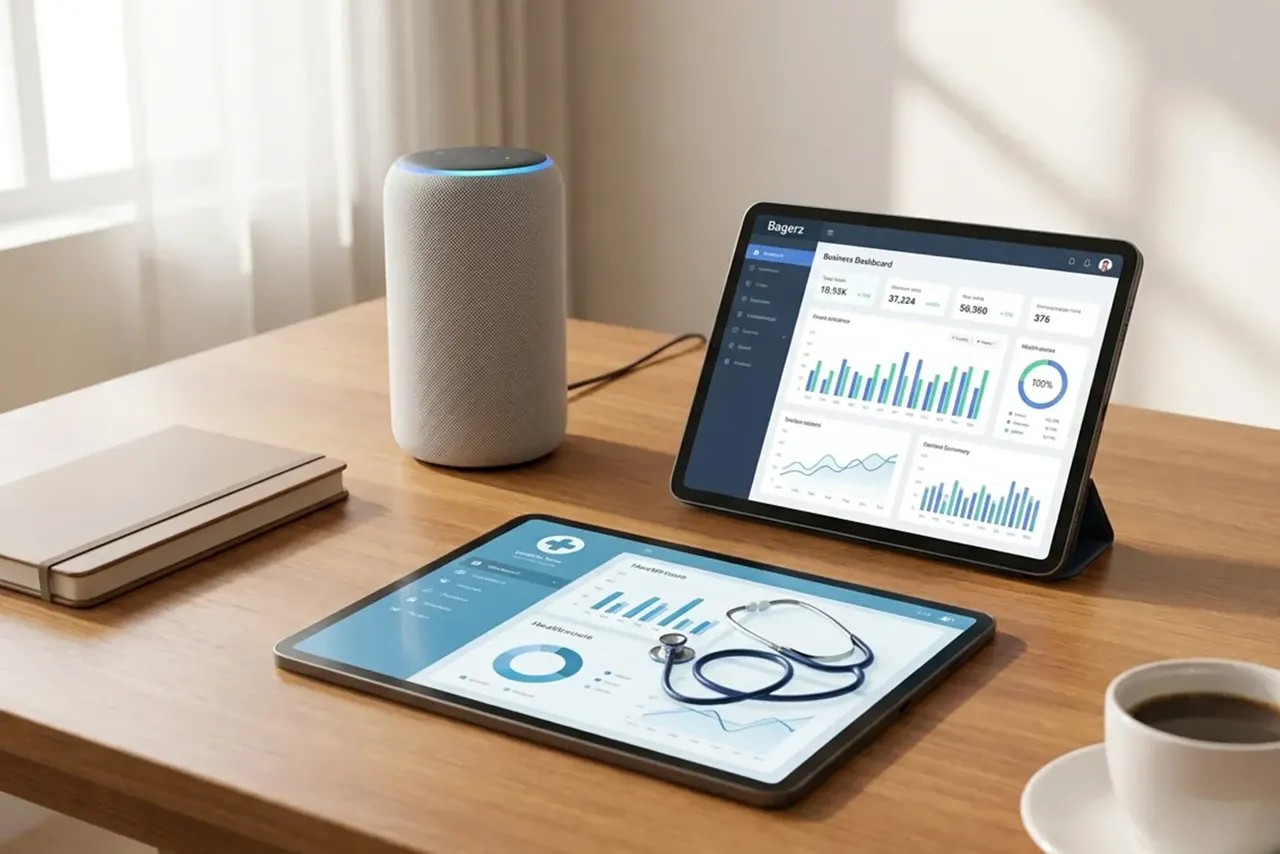
Manufacturing generates valuable information every day—from machines, sensors, production lines, cameras, quality systems, ERP platforms, MES environments, and maintenance records. The challenge is turning that information into decisions that are useful on the factory floor.

Creating AI to solve real operational challenges
ZechionAI helps manufacturers apply artificial intelligence to equipment monitoring, quality inspection, production forecasting, operational automation, and manufacturing analytics.
From the first assessment through integration, deployment, monitoring, and ongoing optimization, we help build AI solutions around your existing operation rather than forcing your business into a completely new technology environment.
The most useful application of AI in manufacturing is when it's linked to a specific operational need.
A machine might start to act oddly, so a maintenance team would need the warning at an early stage. A more uniform process to detect defects for a quality team might be beneficial. A production manager might require increased visibility into future demand, capacity, inventory or bottlenecks.
ZechionAI collaborates with manufacturing teams to uncover actionable decision support opportunities where data and AI can help.
Our services can take you on the whole journey:
Data, Analysis, AI Solution, Integration, Deployment, Monitoring, Optimization, Scale
It's not about introducing AI for the sake of AI. To assist manufacturing teams to recognize issues early, minimize repetitive analysis, gain visibility and make better informed operational decisions.
The challenges that AI can solve in manufacturing
The challenges that AI can solve in manufacturing.
Manufacturers may have a lot of data on which to base their decisions, but not enough time to analyze it.
Common challenges include:
- Unexpected equipment failures
- Unplanned production downtime
- Aging machinery
- Reactive maintenance practices
- Manual visual inspections
- Inconsistent inspection results
- Repetitive quality checks due to human error.
- Late discovered defects in the production process
- Production bottlenecks
- Uncertain demand
- Excess inventory
- Material shortages
- Limited production visibility
- Fragmented operational data
- Difficult-to-use historical records
- Manual reporting
- Repetitive operational decisions
- Finding it hard to recognize regular equipment or quality patterns
Traditional systems can make a record of what happens. AI can provide an extra dimension by recognizing patterns, forecasting future scenarios, pinpointing anomalies, and determining where attention might be required.
The appropriate solution should consider manufacturing environment, data, equipment, processes and company goals.
Manufacturing AI Solutions
MANUFACTURING AI SOLUTIONS: ZechionAI offers three main areas of AI solutions for manufacturers:
Predictive Maintenance
Utilize equipment and operational data to detect abnormal behavior, asset health and to support earlier maintenance decisions.
AI-Powered Quality Control & Computer Vision
Apply cameras and computer vision models for automated inspection, defect detection, assembly verification and production line quality monitoring.
Production Forecasting & Predictive Planning
Leverage historical and current operational data to inform production, demand, capacity, inventory and resource planning.
These solutions can stand alone or be integrated with a wider manufacturing intelligence solution.
Predictive Maintenance
Know how to find equipment issues before they turn into bigger operational problems
Production schedules, maintenance resources, labor, inventory, customer commitments can all be impacted by equipment failure.
The predictive maintenance relies on machine learning and operation data to detect the pattern of abnormal operation or failure of equipment.
AI can supplement the information available to maintenance teams beyond just fixed maintenance intervals and after failure, by offering another source of data concerning equipment condition and risk.
What ZechionAI Can Build
Predictive Solutions are:
- Equipment health monitoring
- Failure prediction
- Anomaly detection
- Condition monitoring
- The estimate of the remaining useful life.
- Sensor-data analysis
- Vibration analysis
- Temperature monitoring
- Pressure monitoring
- Energy consumption analysis
- Machine behavior analysis
- Maintenance prioritization
- Maintenance scheduling support
- Early warning alerts
- Downtime risk analysis
- Asset performance monitoring
Data We Can Work With
Based on the facility and equipment, predictive maintenance models can utilize data from:
- IoT sensors
- PLC systems
- SCADA platforms
- MES systems
- Machine telemetry
- Maintenance logs
- Historical breakdown records
- CMMS work orders
- Temperature readings
- Vibration readings
- Pressure readings
- Energy consumption
- Operating cycles
- Equipment utilization
- Production conditions
It's not just about creating another dashboard. The system should provide maintenance teams with an understanding of which assets need to be paid attention to and why.
Some common Predictive Maintenance Use Cases include:
Motor Failure Prediction
Examine the operating environment, temperature, vibration, load and previous maintenance history to look for trends that could indicate a motor failure.
Bearing Degradation
Track vibration and other signals available to detect changes that can help to determine whether a bearing is deteriorating.
Overheating Detection
Recognize abnormal temperatures which can be a sign of equipment stress or developing faults.
Machine Anomaly Detection
Normalize the behavior to be reviewed and flag unusual behavior.
Maintenance Prioritization
Integrate asset condition, history, criticality of operation and available signal to enable maintenance teams to prioritize their workload.
Operational Benefits
Manufacturers can use predictive maintenance to help them:
- Save up to 25% of down time by anticipating issues with equipment earlier in its life cycle.
- Minimize reactive maintenance.
- Improve maintenance planning
- Use maintenance resources more efficiently
- Improve asset visibility
- Support production continuity
- Recognize patterns of recurring failure
- Increase maintenance Decision Making Intelligence
Actual results are dependent on the condition of equipment, availability of sensors, quality of data, production processes and implementation of the solution.
AI-based Quality Control & Computer Vision
AI-based Quality Control & Computer Vision.
Make AVI more field friendly, and closer to the production line
Quality inspection is typically tedious, time-consuming, and hard to standardize and scale.
Computer vision can extract visual features from image or video collected during production and alert to those features that might warrant a production investigation.
Quality teams can design computer vision systems to aid them without taking the decision out of the human hands when it comes to complicated inspection.
What Computer Vision Can Inspect
Solutions can facilitate:
- Product inspection
- Defect detection
- Surface inspection
- Dimensional inspection
- Assembly verification
- Packaging inspection
- Label verification
- Component detection
- Missing-part detection
- Alignment checking
- Aesthetic evaluation.
- Damage detection
- OCR-based inspection
- Barcode verification
- QR code verification
- Safety-related visual checks
- Real-time production-line inspection
Computer Vision Capabilities
Our solutions can be integrated with:
- Image classification
- Object detection
- Image segmentation
- Optical Character Recognition (OCR)
- Anomaly detection
- Visual similarity analysis
- Defect classification
- Edge AI
- Real-time video analysis
It is based on product variation, defect type, camera position, lighting conditions, inspection speed, training images available and production-line conditions.
Example: Automated Production-Line Inspection
Imagine an object travelling down a production line.
Images are acquired at predetermined examination locations. The computer vision system compares the image to the inspection criteria and determines if there is a potential defect, missing part, incorrect assembly or condition defined.
The system can then send an alert, log the inspection result, pass the item for manual review, or feed the appropriate data into another manufacturing system.
The quality team continues to manage exceptions, review any ambiguous cases and work to enhance the process itself.
Where Computer Vision Can Help
Computer vision could potentially be applied to:
- Detecting surface defects
- Checking component presence
- Verifying assembly
- Reading labels
- Checking packaging
- Identifying incorrect parts
- Detecting alignment problems
- Comparing products to established visual attributes
- Supporting traceability
- Recording inspection evidence
Production Forecasting & Predictive Planning
Gain visibility into what could happen next to plan production.
Production Planning is not just about knowing what has already been produced.
Production teams might need to take into account demand, stock, equipment availability, labor capacity, supplier turnaround time, trends, seasonal fluctuations and manufacturing constraints.
AI-powered forecasting tools can factor in these elements to make better-informed decisions about planning.
Production Forecasting Capabilities
ZechionAI is able to provide solutions for:
- Production demand forecasting
- Production volume forecasting
- Capacity forecasting
- Production scheduling support
- Demand pattern analysis
- Inventory forecasting
- Material requirement forecasting
- Workforce planning support
- Bottleneck prediction
- Lead-time analysis
- Supply-demand analysis
- Seasonal trend analysis
- Production risk forecasting
- Scenario planning
Potential Data Sources
Forecasting models can be used on information that is available, including:
- Historical production data
- Sales orders
- Customer demand
- Inventory levels
- Supplier information
- Supplier lead times
- Production capacity
- Machine availability
- Workforce availability
- Seasonal patterns
- Market information
- ERP data
- MES data
The intent is to provide planners with more information, but not to replace a manufacturing team's operational knowledge and judgment in the planning process.
Example: Production Planning
A manufacturer has a production history and order history of several months or years.
By examining past trends, current orders, production capacity, inventory levels and other factors, an AI forecasting system can predict future needs.
Those forecasts can be used by planners to assess production schedules, material requirements, capacity limitations and possible bottlenecks.
An all-in-one AI solution for the manufacturing industry
12 services
One AI Partner From Strategy Through Production
It is not always necessary to have just one AI model. These could require data engineering, system integration, machine learning, automation, dashboards, security and continuous model management.
With all these capabilities, ZechionAI allows manufacturers to serve their individual projects without compromising the potential for more widespread use of AI.
AI Strategy & Advisory

Begin with the problem, not technology.
- It's time to prepare for AI readiness assessments.
- AI opportunity identification
- Use-case prioritization
- AI roadmap development
- ROI and feasibility assessment.
- Data readiness assessment
- AI transformation planning
- Implementation strategy
- Technology evaluation
- Pilot planning
Services include:
We assist teams in assessing opportunities for technical feasibility, commercial viability and compatibility with the environment.
Create Data & AI Engineering for Manufacturing

Develop Data & AI Engineering in Manufacturing.
The success of AI relies on data that is readily available.
ZechionAI can support:
- Manufacturing data engineering
- Data pipelines
- Data cleaning
- Data integration
- Feature engineering
- Machine learning models
- Predictive analytics
- Data quality monitoring
- Manufacturing analytics
- Data preparation
- Operational dashboards
If the data is spread out in various systems, integration and preparation can be as critical as the model.
Predictive Maintenance
Our predictive maintenance services can include:
- Failure prediction
- Equipment anomaly detection
- Asset health scoring
- Condition monitoring
- Remaining Useful Life modeling
- Maintenance forecasting
- Predictive alerts
- Equipment risk analysis
- Asset performance analytics
Computer Vision
Computer vision services can include:
- Automated visual inspection
- Defect detection
- Product classification
- Assembly verification
- OCR
- Barcode recognition
- QR verification
- Packaging inspection
- Surface inspection
- Image-based anomaly detection
- Production-line video analytics
- Edge AI deployment
Production Intelligence

Production intelligence services can help:
- Production forecasting
- Capacity forecasting
- Demand forecasting
- Bottleneck prediction
- Production optimization
- Inventory forecasting
- Resource planning support
- Production performance analytics
- Scenario analysis
Intelligent Manufacturing Automation

AI can also assist with repetitive tasks.
Services include:
- Workflow automation
- AI-assisted decision support
- Automated alerts
- Intelligent document processing
- AI-powered operational workflows
- Automated reporting
- AI-assisted scheduling
- Exception management
- Automated data classification
AI Chatbots & Manufacturing Assistants
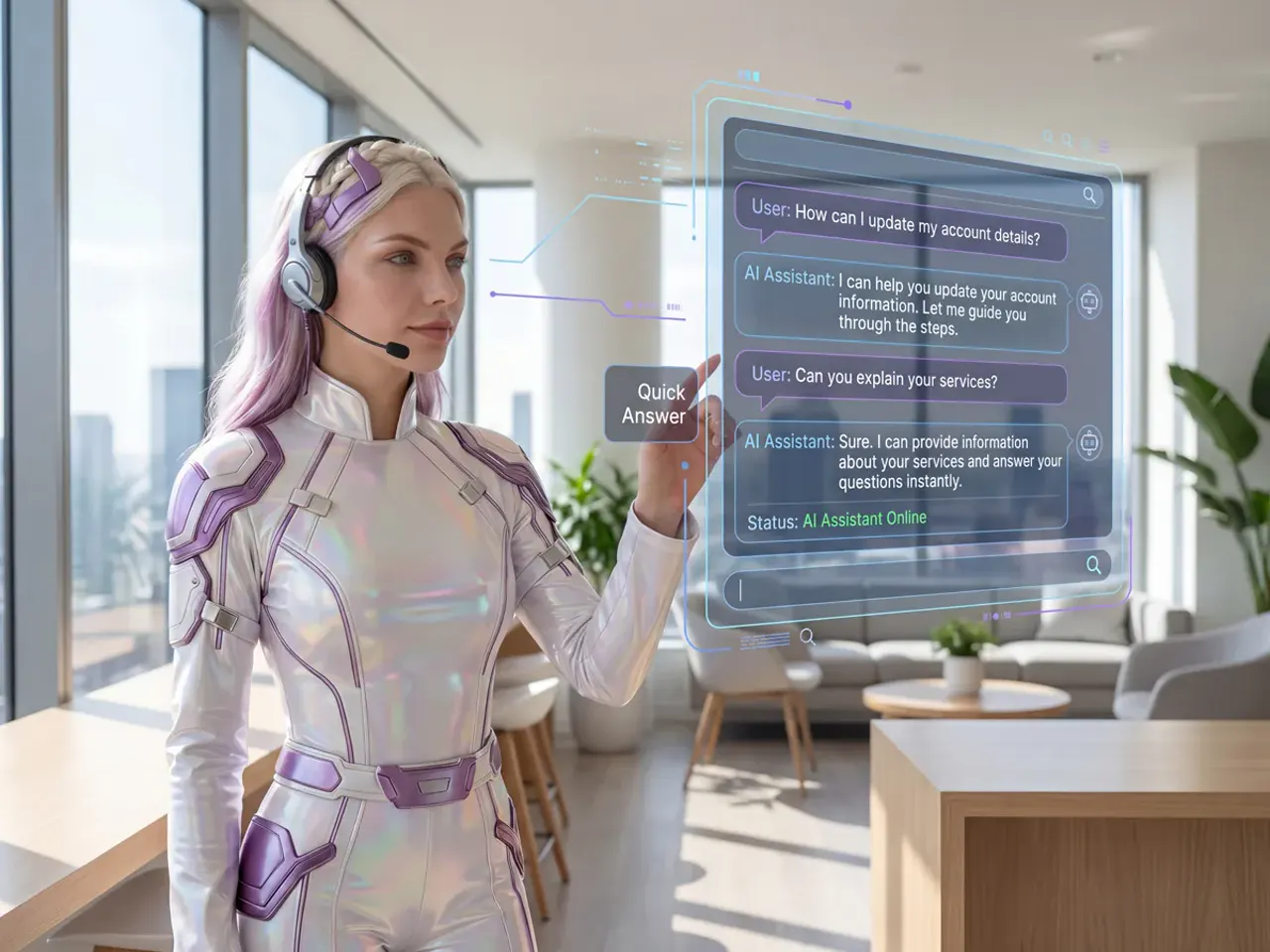
It can take manufacturing teams a long time to dig through manuals, SOPs, maintenance documents, quality procedures, and internal knowledge.
ZechionAI can create in-house AI assistants using natural language, enabling authorized staff to perform searches on authorized information.
Possible applications include:
Maintenance Assistant
Provide technicians with approved maintenance procedures, equipment details and troubleshooting documentation.
SOP Assistant
Assist employees in finding applicable SOP's.
Quality Assistant
Assist the quality team in obtaining approved inspection procedures and documentation.
Production Information Assistant
Make information available from connected manufacturing networks and authorized internal sources to authorized users.
Employee Support Assistant
Provide answers to common internal queries with the use of appropriate company documentation.
Such assistants must be subject to clear limitations of access, and cannot be considered as a source of operational truth without restriction.
AI Integration
Integrate AI with existing systems your factory already has.
- ERP systems
- MES platforms
- SCADA systems
- PLC environments
- CMMS platforms
- IoT platforms
- Manufacturing databases
- Data warehouses
- Data lakes
- Cloud platforms
- APIs
- Business intelligence platforms
- Quality management systems
- Warehouse systems
- Existing business applications
Manufacturers are already investing lots of money in operational technology.
Where applicable, ZechionAI integrates with the existing application as its first step.
These are potential places where integration can take place:
The architecture of the integration is dependent on the various technologies a customer can use, the structure of their data, their security needs, and their operational requirements.
The aim is to integrate valuable artificial intelligence functions without replacing existing systems that are effective.
The development and fine-tuning of AI models

AI model development & fine-tuning.
If standard solutions are not sufficient, ZechionAI can create models to fit the manufacturer's requirements.
Capabilities include:
- Custom machine learning models
- Predictive models
- Computer vision models
- NLP models
- Forecasting models
- Model fine-tuning
- Model evaluation
- Model optimization
- Model testing
- Performance benchmarking
The choice of the model depends on the problem that the business needs to solve, the data available, deployment environment, and desired performance.
MLOps & AI Deployment
The AI Model is not complete once it is live.
Production AI is a continuous initiative that needs constant monitoring.
ZechionAI can support:
- Model deployment
- Production monitoring
- Model performance monitoring
- Data drift detection
- Model retraining
- Version management
- Infrastructure support
- Model evaluation
- Continuous optimization
- Alerting
- Deployment management
It allows manufacturers to keep a check on the performance of an AI solution over time as equipment, products and operating conditions vary as well as data.
AI Security, Governance & Compliance

Manufacturing AI can interact with operational data, employee information, proprietary processes, equipment information, and business systems.
Incorporation of security and governance issues are therefore required during the implementation.
ZechionAI can assist in any of the following:
- Role-based access controls
- Data protection
- Secure integrations
- Access management
- AI monitoring
- Auditability
- Model governance
- Responsible AI practices
- Data retention controls
- Environment separation
- Secure API architecture
The exact architecture for the security should be tailored to the manufacturer's environment, contract requirements, standards applicable, and risk profile.
AI Dashboards & Decision Intelligence
AI becomes more useful when its outputs are understandable to the people who need to act on them.
ZechionAI can develop dashboards covering:
- Production performance
- Equipment health
- Maintenance risk
- Quality performance
- Defect patterns
- Production forecasts
- Inventory trends
- Forecast accuracy
- Operational KPIs
- AI-generated insights
- Alerts and exceptions
- Executive reporting
The goal is to move from raw operational data toward information that helps teams decide what deserves attention.
The ZechionAI Manufacturing AI Lifecycle
From First Assessment to Long-Term Optimization
ZechionAI follows an end-to-end AI lifecycle designed around practical implementation.
- 01
Discover
Understand the manufacturing process, business objective, operational pain points, available data, and existing technology environment.
- 02
Assess
Evaluate data quality, system architecture, AI feasibility, operational constraints, and potential risks.
- 03
Strategize
Prioritize use cases and define an implementation roadmap based on business value and technical feasibility.
- 04
Design
Define the solution architecture, data flow, AI approach, user experience, integration requirements, and security controls.
- 05
Build
Develop the required data pipelines, models, applications, dashboards, automation, and integrations.
- 06
Integrate
Connect the AI solution with relevant manufacturing and business systems.
- 07
Deploy
Move the validated solution into the appropriate production environment.
- 08
Automate
Connect AI outputs to approved workflows, alerts, reporting, and operational processes.
- 09
Monitor
Track model performance, data behavior, system health, and operational outcomes.
- 10
Secure
Maintain appropriate access controls, data protections, monitoring, and security practices.
- 11
Govern
Maintain visibility into model versions, usage, performance, access, and operational controls.
- 12
Optimize
Improve models, workflows, integrations, and user experience based on real-world performance.
- 13
Scale
Extend proven solutions to additional production lines, assets, facilities, or use cases where appropriate.
Manufacturing AI Use Cases
Practical Applications Across the Factory
Machine Failure Prediction
AI analyzes equipment signals and historical behavior to identify patterns that may indicate developing problems.
Production-Line Defect Detection
Computer vision inspects products as they move through a production process and flags defined visual defects for review.
Maintenance Prioritization
Equipment condition and operational information can help maintenance teams determine which assets may require earlier attention.
Production Forecasting
AI analyzes historical and current information to support estimates of future production requirements.
Quality Pattern Analysis
AI can identify recurring defect patterns that may help quality teams investigate process issues.
Equipment Anomaly Detection
Machine behavior is compared with expected operating patterns to identify unusual conditions.
Inventory Forecasting
Forecasting models can help teams estimate future material or inventory requirements using available historical and operational data.
Bottleneck Identification
Production data can be analyzed to identify recurring constraints and patterns associated with slower throughput.
Industries & Manufacturing Segments We Serve
ZechionAI can support AI initiatives across a range of manufacturing environments, including:
- Automotive Manufacturing
- Aerospace & Defense Manufacturing
- Electronics Manufacturing
- Semiconductor Manufacturing
- Industrial Equipment
- Machinery Manufacturing
- Consumer Goods
- Food & Beverage Manufacturing
- Pharmaceutical Manufacturing
- Medical Device Manufacturing
- Chemical Manufacturing
- Plastics & Packaging
- Textiles & Apparel
- Metal Manufacturing
- Energy Equipment
- Building Materials
- Furniture Manufacturing
- Contract Manufacturing
- Warehousing & Distribution Operations
Not every AI solution is appropriate for every manufacturing environment. We assess the process, data, technology, and business objective before recommending an implementation approach.
What Manufacturing Teams Can Gain
The value of manufacturing AI should be measured by what it helps teams do better.
Depending on the use case and operating environment, AI can support:
- Earlier visibility into equipment problems
- More consistent quality inspection
- Better production planning
- Improved operational visibility
- Faster access to manufacturing information
- Reduced manual analysis
- Better use of historical data
- Stronger decision support
- More efficient maintenance planning
- Better resource allocation
- Improved process monitoring
- Greater scalability across proven use cases
The specific outcome depends on the quality of the underlying data, the production environment, implementation design, adoption, and how AI outputs are incorporated into daily operations.
Why Outsource Manufacturing AI to ZechionAI?
Get Specialized AI Capability Without Building Every Role Internally
Building an internal manufacturing AI function can require specialists across machine learning, computer vision, data engineering, software development, cloud infrastructure, MLOps, cybersecurity, and AI governance.
An external AI partner can provide access to those capabilities as projects require them.
- 01
Specialized Expertise
Access AI, machine learning, computer vision, data engineering, integration, and MLOps capabilities through one delivery team.
- 02
Faster Project Execution
A structured external team can help move from identifying a use case to evaluating data, developing a proof of concept, and preparing a production solution.
- 03
Lower Internal Technology Burden
Manufacturers can avoid building a large specialized AI organization for every individual project.
- 04
Multiple AI Capabilities Under One Partner
Predictive maintenance, computer vision, forecasting, automation, analytics, assistants, and AI integration can be addressed through one technology partner.
- 05
Flexible Engagement
Engage ZechionAI for a focused assessment, proof of concept, implementation project, ongoing managed service, or longer-term AI program.
- 06
Existing-System Integration
AI can be designed around the systems and processes already operating in the organization rather than assuming everything needs to be replaced.
- 07
Ongoing Support
Models and AI applications require monitoring, evaluation, maintenance, retraining, and optimization after deployment.
- 08
Practical Business Focus
The starting point is the manufacturing problem, not the AI technology.
Partner With ZechionAI
- 01
Build Manufacturing AI as a Long-Term Capability
ZechionAI can work as an extension of your technology, operations, data, and transformation teams.
A manufacturing organization may begin with one problem—such as equipment failure prediction or visual inspection—and expand after the initial solution proves useful.
- 02
Partnership Benefits
- Dedicated AI expertise
- Flexible project engagement
- End-to-end implementation support
- Cross-functional AI capabilities
- Faster experimentation
- Production-ready engineering
- Continuous optimization
- Scalable AI architecture
- Data-driven decision support
- Long-term technology partnership
- Transparent communication
- Business-focused recommendations
- Support from strategy through deployment
The partnership model is designed to provide the technical capability needed for each stage without requiring the manufacturer to manage every AI function internally.
Engagement Models
- 01
AI Consulting
For manufacturers that need an AI readiness assessment, use-case analysis, roadmap, technical guidance, or implementation strategy.
- 02
Proof of Concept
For organizations that want to test a specific opportunity before making a larger investment.
- 03
Custom AI Development
For manufacturers requiring a purpose-built predictive, computer vision, forecasting, automation, or analytics solution.
- 04
AI Implementation
For organizations that already have an AI solution or model and need help integrating it into their manufacturing environment.
- 05
Managed AI Services
For ongoing monitoring, maintenance, troubleshooting, retraining, evaluation, and optimization.
- 06
Dedicated AI Team
For organizations that need continuing access to AI engineers, data specialists, machine learning professionals, integration specialists, or MLOps capabilities.
AI That Works With Your Existing Manufacturing Environment
Your factory may already depend on systems that contain years of operational knowledge.
Replacing those systems is not always necessary.
ZechionAI can explore integration with:
- ERP
- MES
- SCADA
- PLC systems
- CMMS
- IoT platforms
- Manufacturing databases
- Data warehouses
- Data lakes
- Cloud platforms
- APIs
- BI platforms
- Quality management systems
- Warehouse management systems
- Existing business applications
Integration can allow AI to consume relevant information from existing systems and return useful outputs to the teams and workflows that already use them.
The final architecture depends on the systems, interfaces, data structures, security requirements, and operational constraints involved.
Security & Data Protection
Manufacturing AI Built With Appropriate Controls
Manufacturing information can include proprietary processes, equipment data, production records, employee information, supplier information, and business-sensitive data.
Security should therefore be considered from the beginning of an AI project.
AI services for Manufacturing
- Predictive AnalyticsTurn Historical and Real-Time Data Into Better Business Decisions
- Computer VisionTurn Visual Data Into Actionable Intelligence
 AI Strategy & AdvisoryPractical AI Strategy for Scalable Business Transformation
- MLOps & AI OperationsTurn Machine Learning Models Into Reliable, Production-Ready AI Systems
 Model Fine-Tuning & TrainingCustom AI Model Training & Fine-Tuning for Specialized Business Requirements
- AI Security, Governance & ComplianceSecure AI. Govern AI. Deploy AI Responsibly.
 Document Processing & OCRTurn Documents Into Structured Data, Intelligent Workflows, and Actionable Information
- AI DevelopmentBuild AI Around Your Business—not the Other Way Around
AI in manufacturing refers to using machine learning, computer vision, predictive analytics, natural-language systems, and automation to analyze manufacturing information and support operational decisions.
Applications can include predictive maintenance, quality inspection, production forecasting, anomaly detection, and intelligent workflow automation.
AI can analyze equipment condition, sensor readings, historical failures, and operating behavior to identify patterns associated with abnormal conditions. This can give maintenance teams earlier information to investigate potential problems.
AI does not eliminate equipment failures, and results depend on the quality and availability of operational data.
Predictive maintenance models learn from available equipment and maintenance data to identify patterns associated with abnormal behavior or potential failure. The system can then provide health indicators, risk scores, forecasts, or alerts for maintenance teams.
Yes. Depending on the technical environment, AI solutions can be integrated with ERP, MES, SCADA, CMMS, IoT platforms, databases, APIs, cloud platforms, and other business applications.
The specific integration approach depends on the systems and interfaces available.
Possible data includes machine telemetry, vibration, temperature, pressure, energy consumption, operating cycles, maintenance records, work orders, breakdown history, and production information.
The required data varies considerably by equipment and use case.
Computer vision can be trained to identify defined visual characteristics, defects, missing components, incorrect assemblies, surface conditions, labels, packaging issues, and other inspection criteria.
Performance depends on factors such as image quality, lighting, product variation, defect characteristics, training data, and inspection conditions.
AI can automate or assist portions of visual inspection, but it should not automatically be assumed to replace human quality professionals.
Human review can remain important for complex, ambiguous, unusual, or high-consequence cases.
There is no universal accuracy figure for manufacturing AI.
Performance depends on the use case, data quality, model design, environmental conditions, defect characteristics, equipment behavior, and evaluation methodology.
ZechionAI can establish appropriate evaluation criteria before production deployment.
A lack of historical data does not necessarily prevent an AI project, but it can affect the type of solution that is appropriate.
Options may include improving data collection, using anomaly-detection approaches, starting with a narrower use case, establishing a baseline, or running a proof of concept to determine feasibility.
There is no single implementation timeline.
A small proof of concept may require significantly less work than a production-grade system connected to multiple plants, machines, data sources, and operational workflows.
Timeline depends on scope, data readiness, integration requirements, model complexity, validation needs, and deployment environment.
Yes. A proof of concept can be useful when a manufacturer wants to validate technical feasibility and business relevance before committing to a larger implementation.
Yes. AI and machine learning can analyze historical production, orders, demand, inventory, capacity, lead times, and other available information to support forecasting and planning.
Forecasts should be used alongside operational knowledge and planning judgment.
Potentially, yes. Integration can be designed through APIs, databases, middleware, data pipelines, or other supported interfaces depending on the systems involved.
The integration method should be assessed during the technical discovery stage.
Yes. ZechionAI can provide ongoing monitoring, maintenance, troubleshooting, retraining, model evaluation, optimization, and managed AI services depending on the engagement.
A solution can be designed for multi-site deployment when the underlying architecture, data environment, equipment characteristics, and operating processes support it.
Scaling should normally follow validation of the initial implementation.
Data protection depends on the customer's environment and requirements. Appropriate controls can include access management, secure APIs, encryption where appropriate, environment separation, monitoring, auditability, and data retention controls.
Security architecture should be defined during solution design.
Yes. Manufacturing processes differ significantly between companies, facilities, products, machines, and inspection requirements.
AI solutions can be designed around the specific operational problem, available data, systems, and desired workflow.
Preventive maintenance generally follows predefined schedules or operating intervals.
Predictive maintenance uses equipment and operational information to assess condition and identify patterns that may indicate a developing problem.
The two approaches can be used together.
It can, depending on inspection speed, camera configuration, computing resources, model complexity, network architecture, and production-line requirements.
For applications requiring low latency, edge computing may be considered.
Start with the operational problem.
ZechionAI can assess potential use cases based on factors such as business impact, data availability, technical feasibility, implementation complexity, integration requirements, and the ability to measure results.
A focused use case is often a practical starting point before expanding into a broader AI program.
Ready to Explore AI for Your Manufacturing Operations?
You do not need to begin with a large transformation program.
Talk to Zech, live