Event Management AI Solutions
Personalized recommendations, attendee support, automated registration, and event intelligence tailored to your existing workflows.
Talk to Zech, live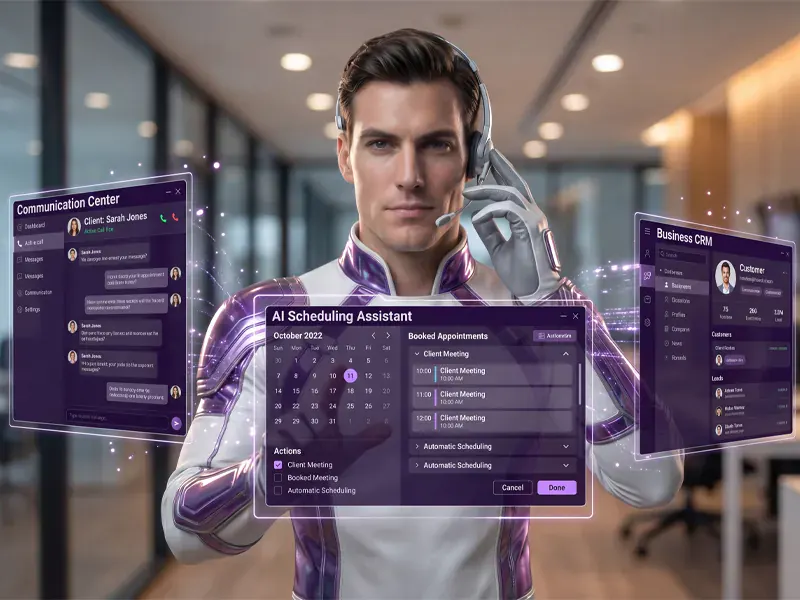
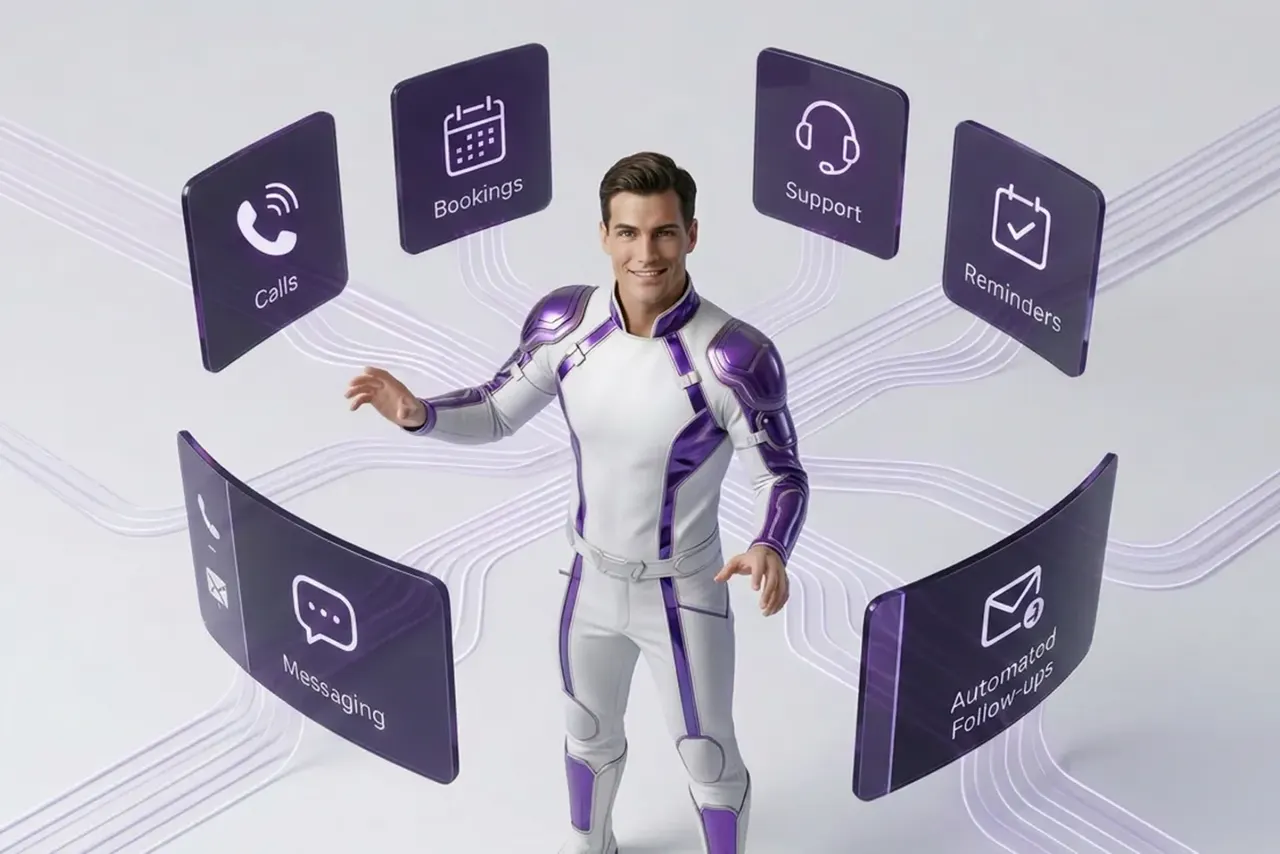
ZechionAI empowers event planners to manage event management more efficiently, resolve queries, tailor event suggestions, streamline repetitive messages, and convert event-related data into actionable insights.

A game-changing innovation in the event planning industry
Whether it involves initial registration, post-event analysis, or any other aspect of the process, AI can assist your team while maintaining control over crucial decisions.
The game-changer in the event-planning arena.
Event teams handle hundreds of details in advance of, during, and after an event.
Registration inquiries come from various sources. There is a need for assistance from the participants for identifying sessions. Speakers and exhibition stands are in need of visibility. Schedules change. There is a need to communicate to different audiences. Following the event, one team must know the number of participants, their participation, feedback received, and what can be done better.
Many of these workflows can be facilitated with the help of AI.
The objective is not to automate the event team.
The goal is for the event team to have more resources to manage repetitive tasks, understand the needs of the event attendees, and provide them with the information they need at the right time.
ZechionAI builds AI systems based on your current event processes, data, technology, and business rules.
Event Management services
13 services
Where do you think Event Teams waste too much time?

Registration Questions
- Registration requirements
- Ticket types
- Pricing
- Event dates
- Locations
- Cancellation policies
- Event access
- Parking
- Travel
- Accommodation
- Dietary requirements
- Accessibility
- Session availability
There is often a need to provide information to the attendees on:
An AI registration assistant can present approved information without having to have workers answer the same questions again and again.
Manual Attendee Support
Documented answers for many of the questions asked by attendees. An event-specific AI assistant can make that information readily available and direct the exception to the relevant team member.
Large Event Programs
Hundreds of events, presentations, exhibitors, sponsors, networking sessions, workshops, and more could be part of a large conference or exhibition.
It's difficult for attendees to know what's relevant to them.
AI has the capacity to structure this data based on individual interests and events.
Generic Communications
The reminder, session suggestion, or follow-up message doesn't need to be the same for everyone who attends.
AI can be leveraged to enable event teams to produce more pertinent communications that are tailored to the event and communication rules.
Fragmented Event Data
Registration, CRM, marketing, event activity, support, and feedback data can be located in different systems.
Where appropriate, ZechionAI can assist in making those connections so that AI workflows will operate on structured information under governance.
Post-Event Reporting
Event teams must be aware:
- Who registered
- Who attended
- What sessions were of interest?
- The questions asked at the meeting
- What were the topics that led to engagement?
- Positive and negative comments made by attendees.
- What was interesting to the exhibitors.
- What should be taken into account for the future events?
While AI cannot replace human interpretation, it can aid in organizing and analyzing this information.
Switch to Automated Registration Bots for faster attendee support
This will switch to Automated Registration Bots for faster attendee support.
Built around your event, Registration Assistance will keep you informed and connected.
ZechionAI can create AI-powered registration assistants for attendees to assist them in navigating through registration queries and pre-defined processes.
Potential capabilities include:
- Registration questions
- Ticket selection guidance
- Event information
- Registration requirements
- Agenda questions
- Venue information
- Travel information
- Accommodation information
- Accessibility information
- Payment-related guidance
- Cancellation-policy information
- Confirmation assistance
- Registration troubleshooting
- Staff escalation
The assistant is able to connect to approved event information and approved business rules.
If there is no information provided, if information is ambiguous, or if the information is beyond the scope of the assistant's authority, the assistant may instruct the attendee to contact the appropriate human being instead of making it up.
Conversational Registration
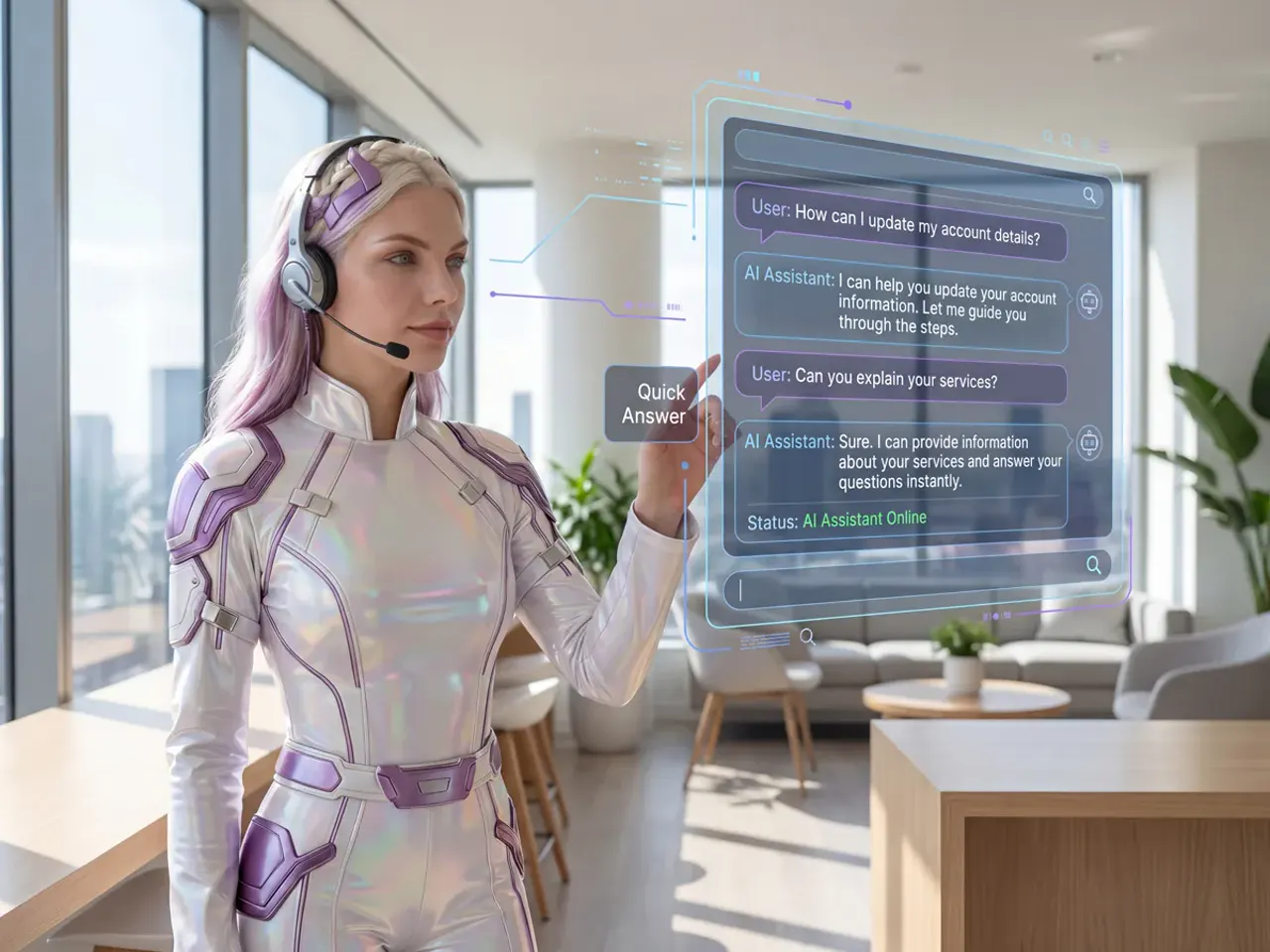
Have Attendees Ask Instead of Search:
Many registrations have a lot of pages that users have to go through to get the information they want.
Another way to get approved event information is with a conversational assistant.
For example:
- I'm wondering which of the registration options is best for me?
- Going to the conference for only 1 day. “What can I do?”
- What are the locations of the sessions?
- Do you make any accommodations for people with disabilities?
- May I switch my registration?
The AI can help direct the attendee through the options while allowing them to make the final decision, exceptions to policy, and sensitive decisions to the event staff.
Customized suggestions for each participant
Support Attendees in finding what is important to them.
More information can be added to a large event than anyone can be expected to examine.
ZechionAI can create recommendation systems to make relevant information apparent:
- Sessions
- Speakers
- Exhibitors
- Workshops
- Networking opportunities
- Content
- Meetings
- Event activities
The recommendations may take into account the following factors of the event design:
- Registration profile
- Job role
- Industry
- Stated interests
- Selected topics
- Session preferences
- Event activity
- Previous engagement
- Exhibitor interests
- Networking goals
Recommendations need to be based on the appropriate information available from events and should not involve inference of personal properties that would be sensitive to the user.
Personalized Agenda Assistant
This can help attendees create a more effective agenda using an AI agenda assistant.
It can:
- Recommend sessions
- Identify schedule conflicts
- Suggest related sessions
- Highlight priority sessions
- Suggest available breaks
- Surface workshops
- Recommend speakers
- Describe why a session might be applicable
The attendees should be able to accept, modify, or decline recommendations.
The goal is not to make a decision on the use of the attendee's time, but to provide assistance.
Event AI Chatbots
Support for your digital channels on a case-by-case basis.
ZechionAI has the capability to create event AI assistants for:
- Event websites
- Registration pages
- Mobile event applications
- Attendee portals
- Messaging environments
- Internal organizer dashboards
The assistant can respond to approved questions regarding the event and refer more in-depth questions to event personnel.
Potential topics include:
- Registration
- Agenda
- Sessions
- Speakers
- Exhibitors
- Venue
- Transportation
- Accessibility
- Event policies
- Schedule changes
- Frequently requested information
Events Knowledge Assistants powered by RAG
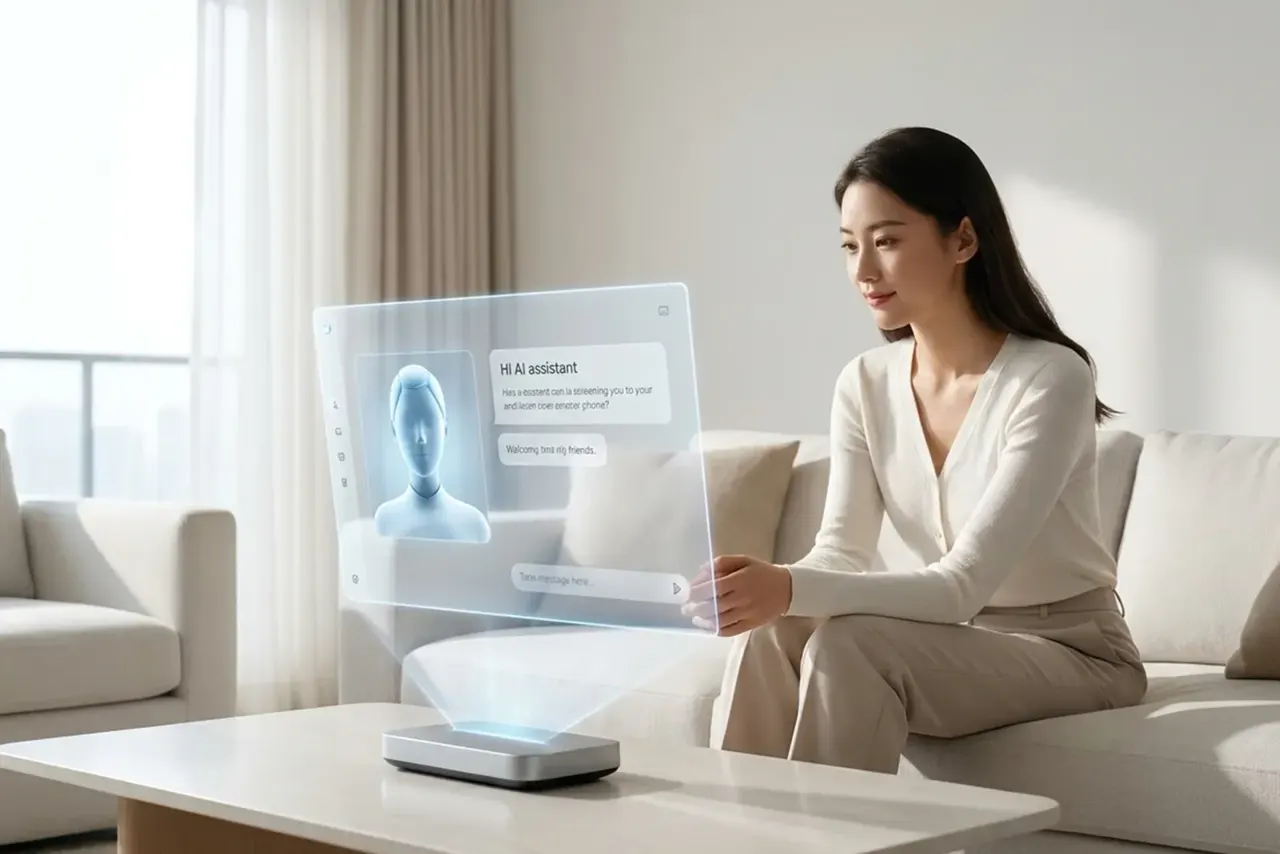
The approved event information is downloaded to your ground.
A general AI model is not supposed to know the details of a particular event.
The retrieval-based AI architecture enables ZechionAI to link an event assistant with validated knowledge sources.
Potential sources include:
- Event website
- Registration information
- FAQs
- Event policies
- Speaker profiles
- Session descriptions
- Exhibitor information
- Venue information
- Travel instructions
- Accessibility documentation
- Sponsor information
- Event schedules
- Internal organizer documentation
The system can search the approved knowledge base for relevant information before providing an answer when a question is asked by an attendee.
This can help the assistant to become more specific to the event and easier to govern.
Event Communication Automation
Ensure that the person attending is supported before, during, and after the event.
Before the Event
- Registration reminders
- Event preparation messages
- Agenda suggestions
- Session recommendations
- Travel information
- Venue instructions
- Personalized reminders
AI can assist with:
During the Event
AI-powered workflows can help with:
- Schedule updates
- Session reminders
- Location guidance
- Speaker information
- Event announcements
- Frequently requested information
After the Event
AI can assist with preparing:
- Thank-you communications
- Feedback requests
- Recommended content
- Follow-up resources
- Session summaries
- Relevant future-event information
There is the opportunity for human review and approval of important communications.
Attendee Segmentation
AI can assist in the grouping of guests into proper event-related content groups, with proper data.
Potential segments include:
- Industry
- Job role
- Registration type
- Event interests
- Session preferences
- Engagement behavior
- Exhibitor interests
- Networking objectives
- Attendance patterns
Strong segmentation should be aligned to relevant privacy needs, organizational policies, contractual obligations, and consent needs of events.
AI Networking Recommendations
Connect Attendees to Professional Relationships: Facilitate Development of Attendee Professional Connections
When hundreds or thousands of people are in attendance, networking can be a challenge.
AI can help recommend:
- Potential professional connections
- Relevant exhibitors
- Shared professional interests
- Relevant sessions
- Networking events
- One-to-one meetings
Recommendations must be optional and have an explanation that is appropriate.
For example:
You might want to connect with this attendee as both of you chose enterprise automation as an area of interest.
The system should not reveal information about the private attendees just by virtue of it being present in a system database.
Exhibitor and Sponsor Recommendations

AI can also assist the attendees to identify exhibitors and sponsors that align with their interests.
Recommendations that can be inputted are:
- Industry
- Professional interests
- Event topics
- Selected sessions
- Products or solutions that are looked for.
- Explicit attendee preferences
This can lead to more meaningful discovery experiences and also ensure that recommendations fit into the event's agreed-upon data and privacy parameters.
The following is a list of frequently asked questions for the Automated Event FAQ
The following are some of the questions an event AI assistant can answer:
Event Operations AI
- Registration monitoring
- Data validation
- Duplicate detection
- Attendee data cleanup
- Communication workflows
- Session capacity monitoring
- FAQ analysis
- Issue classification
- Staff task routing
- Event status summaries
- Daily operational reports
- Feedback categorization
- Event timing
- Venue
- Parking
- Registration
- Tickets
- Sessions
- Speakers
- Exhibitors
- Food
- Accessibility
- Wi-Fi
- Transportation
- Dress code
- Check-in
- Event policies
If the answer can only be obtained by an exception, judgment, or by accessing information not available to the assistant, it may pass the issue to the event staff.
The AI for the Event's Back End.
Don't mistake AI for an experience that has to be available to attendees.
ZechionAI can work with internal event teams to assist workflows like:
These workflows can be configured to specific permissions and escalation protocols.
Event Data & Analytics AI
AI can support teams to explore event data to look for patterns such as:
- Registration trends
- Attendance patterns
- Session interest
- No-show patterns
- Engagement trends
- Popular topics
- Frequently asked questions
- Exhibitor interest
- Attendee feedback
- Communication engagement
- Post-event sentiment themes
AI can recognize trends in data to support teams in exploring potential problem spaces.
Do not use it as a business gospel.
Voice of Attendee
Transform Open-Text Feedback into Organized Insight
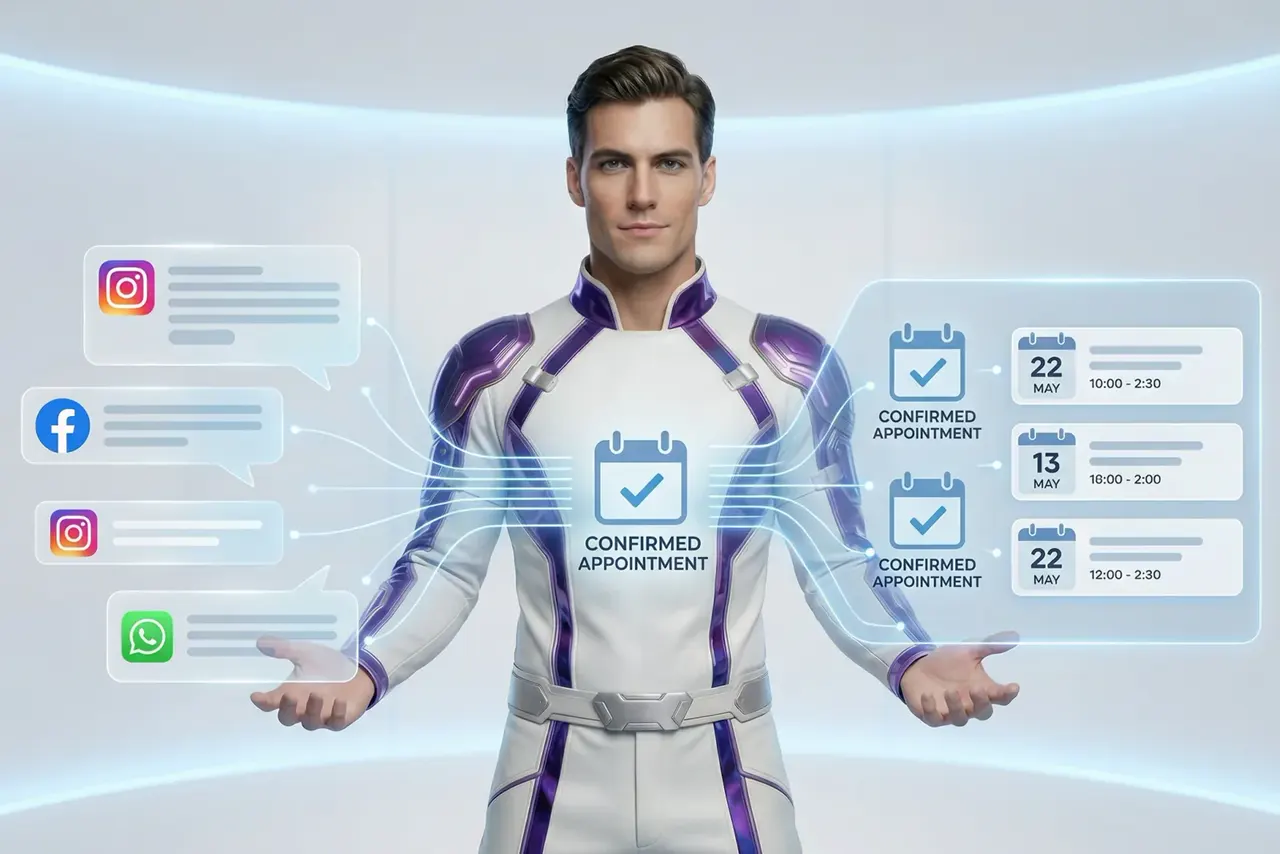
Event teams can gather lots of useful data from surveys, forms, support discussions, feedback in session, and comments after the event.
AI can be used to categorize this information into themes, including:
- Venue
- Registration
- Content
- Speakers
- Networking
- Technology
- Accessibility
- Food
- Scheduling
- Communication
Potential sources include:
- Surveys
- Feedback forms
- Open-text responses
- Support conversations
- Session feedback
- Post-event comments
- Organizer notes
Human interpretation of feedback is still relevant in situations where decisions pertaining to significant events depend on human interpretation.
Manage AI agents to perform event flows
ZechionAI can create AI agents with explicit boundaries that function inside of a specific framework, workflows, data access, and escalation rules.
- 01
Registration Agent
Facilitates workflows that are specific to registration.
- 02
Attendee Support Agent
Answers the approved event questions and routes exceptions.
- 03
Agenda Agent
Assists attendees in finding sessions that are relevant and creating schedules.
- 04
Networking Agent
Recommends connections with professionals from approved event information.
- 05
Communication Agent
Assists with defined attendee communications.
- 06
Event Operations Agent
Communicates operational data to appropriate personnel.
- 07
Feedback Agent
Organizes and takes notes on feedback from participants.
- 08
Reporting Agent
Assists in creating event performance reports.
Of course, the AI agent is not simply to be granted access to something because technically it can be automated.
All-in-One ZechionAI Event Management AI Services
AI Strategy & Advisory
- AI readiness assessment
- Event workflow assessment
- AI opportunity mapping
- Use-case prioritization
- AI roadmap development
- Technology assessment
- Governance planning
Registration AI
- Registration bots
- Conversational registration
- Registration assistance
- FAQ automation
- Data validation
- Registration workflow automation
Attendee Experience AI
- AI event assistants
- Personalized recommendations
- Agenda recommendations
- Session discovery
- Speaker discovery
- Exhibitor recommendations
- Networking recommendations
Event Communication AI
- Pre-event communications
- Reminder automation
- Personalized messaging
- During-event communications
- Post-event follow-up
- Communication assistance
Event Knowledge AI
- RAG systems
- Event knowledge bases
- Policy assistants
- Speaker knowledge
- Session knowledge
- Exhibitor knowledge
- Organizer knowledge assistants
Event Analytics AI
- Registration analytics
- Attendance analytics
- Engagement analysis
- Session analysis
- Feedback analysis
- Event reporting
- Trend identification
Customer & Attendee Support AI
- Chatbots
- Helpdesk assistants
- Ticket classification
- Response assistance
- Escalation workflows
- Support summaries
AI Networking
- Attendee matching
- Session matching
- Exhibitor matching
- Meeting recommendations
- Interest-based recommendations
Event Operations Automation
- Task routing
- Data synchronization
- Workflow automation
- Staff notifications
- Operational summaries
- Exception handling
AI Agents
- Registration agents
- Support agents
- Recommendation agents
- Communication agents
- Reporting agents
- Operations agents
Event Data Engineering
- Event data pipelines
- Data normalization
- Data enrichment
- Data quality checks
- Data warehouse integration
- Analytics preparation
Event Technology Integrations
ZechionAI can analyze opportunities for integration of:
- CRM systems
- Event management platforms
- Registration systems
- Ticketing systems
- Marketing automation
- Email systems
- Help desks
- Payment systems
- Mobile event applications
- Analytics platforms
- Data warehouses
- APIs
- Webhooks
Integrations need to be verified and should not be assumed during technical discovery.
Events We Support
- 01
Corporate Events
AI workflows for:
- Conferences
- Leadership meetings
- Product launches
- Customer events
- Internal events
- 02
Conferences
Support for:
- Industry conferences
- Professional conferences
- Technology conferences
- Business conferences
- 03
Trade Shows & Exhibitions
Support for:
- Exhibitions
- Trade shows
- Industry expos
- Sponsor-driven events
- 04
Associations
Potential applications include:
- Annual meetings
- Member conferences
- Educational events
- Networking events
- 05
Universities & Education
Potential applications include:
- Academic conferences
- Alumni events
- Career events
- Student events
- 06
Professional Events
- Workshops
- Seminars
- Training programs
- Executive events
- 07
Virtual & Hybrid Events
- Webinars
- Virtual conferences
- Hybrid conferences
- Digital networking events
50 Practical Event Management AI Use Cases
- Registration chatbot
- Registration assistance
- Ticket guidance
- Registration FAQ automation
- Registration data validation
- Duplicate attendee detection
- Personalized session recommendations
- Personalized agenda creation
- Speaker recommendations
- Exhibitor recommendations
- Networking recommendations
- Attendee matching
- Event FAQ assistant
- Venue information assistant
- Travel information assistant
- Accessibility information assistant
- Schedule assistant
- Session reminder automation
- Personalized event notifications
- Pre-event communication
- During-event communication
- Post-event communication
- Attendee feedback analysis
- Survey categorization
- Session feedback analysis
- Event sentiment analysis
- Registration analytics
- Attendance analytics
- Session popularity analysis
- Engagement analysis
- Sponsor-interest analysis
- Exhibitor-interest analysis
- Event operations summaries
- Staff support assistant
- Event knowledge assistant
- AI reporting assistant
- Event content recommendations
- Lead classification
- Post-event follow-up assistance
- Event performance reporting
- No-show pattern analysis
- Event data synchronization
- CRM event-data integration
- Marketing automation integration
- Event knowledge-base management
- Intelligent staff workflow routing.
- Personalized content recommendations
- AI-powered event operations agent.
- Attendee support escalation
- Event planning intelligence
AI Supports Your Event Team
Event professionals will always be accountable for the choices they make which influence the event.
That includes:
- Event strategy
- Attendee policies
- Registration rules
- Sponsor relationships
- Venue decisions
- Communications approval
- Sensitive attendee issues
- Exceptions
- Escalations
- Business decisions
ZechionAI crafts AI workflows that work within a specified scope.
The technology is able to perform the correct repetitive actions.
Your staff stay in control.
Responsible AI for Event Organizations
Event AI should be governed from the start.
ZechionAI can incorporate considerations such as:
- Human oversight
- Defined permissions
- Data minimization
- Access controls
- Auditability
- Appropriate retention
- Monitoring
- Escalation paths
- Output review
- Model governance
- Privacy-aware design
- Secure integrations
Personal data may be included in the information provided to the attendees. The manner of collection, use, storage, sharing, and processing of that information should reflect compliance with relevant privacy considerations, organizational policies, contracts, and event-specific consent procedures.
ZechionAI does not view a generic AI model as a replacement for privacy, security, and legal needs of an organization.
Security & Privacy
Registration records, attendee profiles, communications, event activity, and internal operational information are all impacted by AI event systems.
ZechionAI is capable of designing for:
- Role-based access
- Authentication
- Encryption where applicable
- API security
- Secure integration design
- Access logging
- Audit trails
- Data retention controls
- Environment separation
- Credential management
- Monitoring
- Incident procedures
- Data governance
Security needs need to be set based on the organization's systems, data classifications, contractual obligations, and applicable needs.
ZechionAI is not certifying an implementation, nor giving it a regulatory status, unless it is already certified or has a regulatory status.
You Don't Have to Replace Your Event Platform
Integration-First AI Development
Many event companies already have a lot of investments in their registration technology, their CRM, their marketing, their ticketing, their mobile application, their analytics, and their event management technology.
It is not a requirement to replace those systems with AI.
ZechionAI can analyze and suggest where AI can be integrated via:
- APIs
- Webhooks
- Middleware
- Data pipelines
- Custom applications
- Embedded assistants
- Workflow automation
- Secure integration layers
The goal is to determine the added value of AI, without disturbing the existing tech environment.
Why Outsource Event AI Development?
Minimize internal development pressure.
Event teams focus on delivering the event with AI while the specialized engineers handle the architecture, integrations, automation, and deployment of the AI.
- 01
Access Specialized Expertise
AI projects may involve experience in:
- Data engineering
- Machine learning
- RAG architecture
- API development
- AI agent design
- Analytics
- Security
- Integration engineering
Never rely on built-in functions and libraries. Do not create all internal functions and libraries.
It doesn't require an AI engineering department for each and every event technology project.
- 02
Connect to Other Systems
An experienced AI development partner can integrate with existing technology infrastructure rather than just suggesting new systems to replace it.
Be sure to begin with a defined use case.
Organizations can start with a registration assistant, FAQ bot, or another workflow that is dedicated to registering users before they expand.
- 03
Scale Based on Need
Further capabilities can be added as the event program evolves, the data environment becomes more complex, and the organizational needs change.
- 04
Improve Technical Governance
An external engineering partner can support to set up:
- Access controls
- Monitoring
- AI governance
- Documentation
- Testing
- Deployment procedures
Why Choosing ZechionAI for Event AI?
- 01
Practical AI Engineering
ZechionAI is not about AI demos for the sake of it; it's about workable event workflows.
- 02
Event-Specific Knowledge Architecture
Event information, policies, schedules, and organizational knowledge can be used to ground AI systems.
- 03
Human Oversight
Your team has control over key decisions and exceptions.
- 04
Integration Focus
AI can be built upon the existing event technology, if technically feasible.
- 05
Flexible Development
Workflows can be started with one workflow and can be expanded according to actual requirements.
- 06
Custom AI Workflows
Solutions can be developed based on your event's registration, support, communication, and workflow.
- 07
Data-Aware Architecture
The design can be designed to handle the quality, structure, availability, and governance of your event data.
- 08
Continuous Improvement
Operational feedback can be used to monitor and optimize AI workflows.
- 09
Cross-Functional Expertise
ZechionAI can combine AI strategy, engineering, automation, data, integration, and governance.
- 10
Long-Term Partnership
The relationship may not stop at initial development but continue with optimization, monitoring, new workflows, and technology evolution.
The ZechionAI Delivery Lifecycle
- Discover
- Strategize
- Design
- Build
- Integrate
- Deploy
- Automate
- Monitor
- Secure
- Govern
- Optimize
- Scale
- 01
Discover
Be aware of your event workflows, systems, data, users, constraints, and goals.
- 02
Strategize
Develop AI opportunities that are technically viable and have a practical value.
- 03
Design
Create User Journeys, Data Architecture, AI Workflows, Permissions, Escalations, Controls.
- 04
Build
Create assistants, agents, recommender systems, integrations, automation, and dashboards.
- 05
Integrate
Integrate the solution to existing event and/or business systems.
- 06
Deploy
Start releases in a controlled manner and by defined procedures.
- 07
Automate
Automate well-defined repetitive processes.
- 08
Monitor
Monitor system activities, failures, exceptions, and escalations.
- 09
Secure
Implement proper security, access, credential, and data controls.
- 10
Govern
Ensure that policies, procedures, documents, and supervision/review are appropriate.
- 11
Optimize
Refine processes in light of usage and organisation feedback.
- 12
Scale
Repeat the successful capabilities for events, regions, business units, or event portfolios.
Measuring an Event AI Program
Organisations need to have measurable objectives prior to implementation.
Depending on the use case, relevant measures could be:
- Registration completion
- Registration support volume
- Support response time
- FAQ resolution
- Escalation rate
- Session discovery
- Recommendation engagement
- Networking participation
- Attendance patterns
- Session attendance
- Feedback themes
- Communication engagement
- Staff workload
- Data completeness
- Event reporting time
This will be determined by the workflow being automated or augmented.
The objective of the measurement is not just to see that the AI system is being used, but to find out if it is useful for the task at hand.
A realistic, step-by-step approach to implementation
Phase 1 — Registration & Support
Start with:
- Registration assistant
- Event FAQ bot
- Basic knowledge base
- Human escalation
- 01
Personalization
Add:
- Session recommendations
- Agenda recommendations
- Exhibitor recommendations
- Networking assistance
- 02
Operations
Add:
- Staff assistant
- Workflow automation
- Data synchronization
- Event reporting
- 03
Intelligence
Add:
- Advanced analytics
- Attendee behavior analysis
- Feedback intelligence
- Cross-event insights
- 04
Scale
Scale up successful AI applications to:
- Events
- Regions
- Business units
- Event portfolios
Select the engagement model that is right for your organization
- AI Strategy & Assessment - For companies assessing when and how to use AI.
- Focused AI Pilot - For organizations that need one workflow to begin, like registration and/or attendee support.
- Custom AI Development - Where organizations need custom assistants, agents, recommendation systems, analytics, or automation.
- AI Integration Project - For organisations requiring AI to be integrated with existing event technology.
- Managed AI Services - For organisations that need continuous technical support, monitoring, optimization, and development.
- Enterprise AI Partnership - For any large event organization that needs several AI workflows, integrations, governance, and long-term engineering support.
There are no guarantees with ZechionAI
ZechionAI is not guaranteed to:
- Guaranteed attendance
- Guaranteed registration growth
- Guaranteed revenue
- Guaranteed ROI
- Perfect recommendations
- Perfect AI accuracy
- Zero human involvement
This will be achieved by removing the staff from the event.
The removal of event-management platforms.
Rather, ZechionAI aims to create functional AI systems that can be measured, monitored, reviewed, and improved, and that can be used to support defined event workflows.
AI services for Event Management
- AI Agents & Autonomous AIAI Agents Built Around Real Business Workflows, Data, Tools, and Outcomes
 AI Strategy & AdvisoryPractical AI Strategy for Scalable Business Transformation
- Recommendation EnginesAI Powered Recommendation Engine Services for more relevant customer experiences.
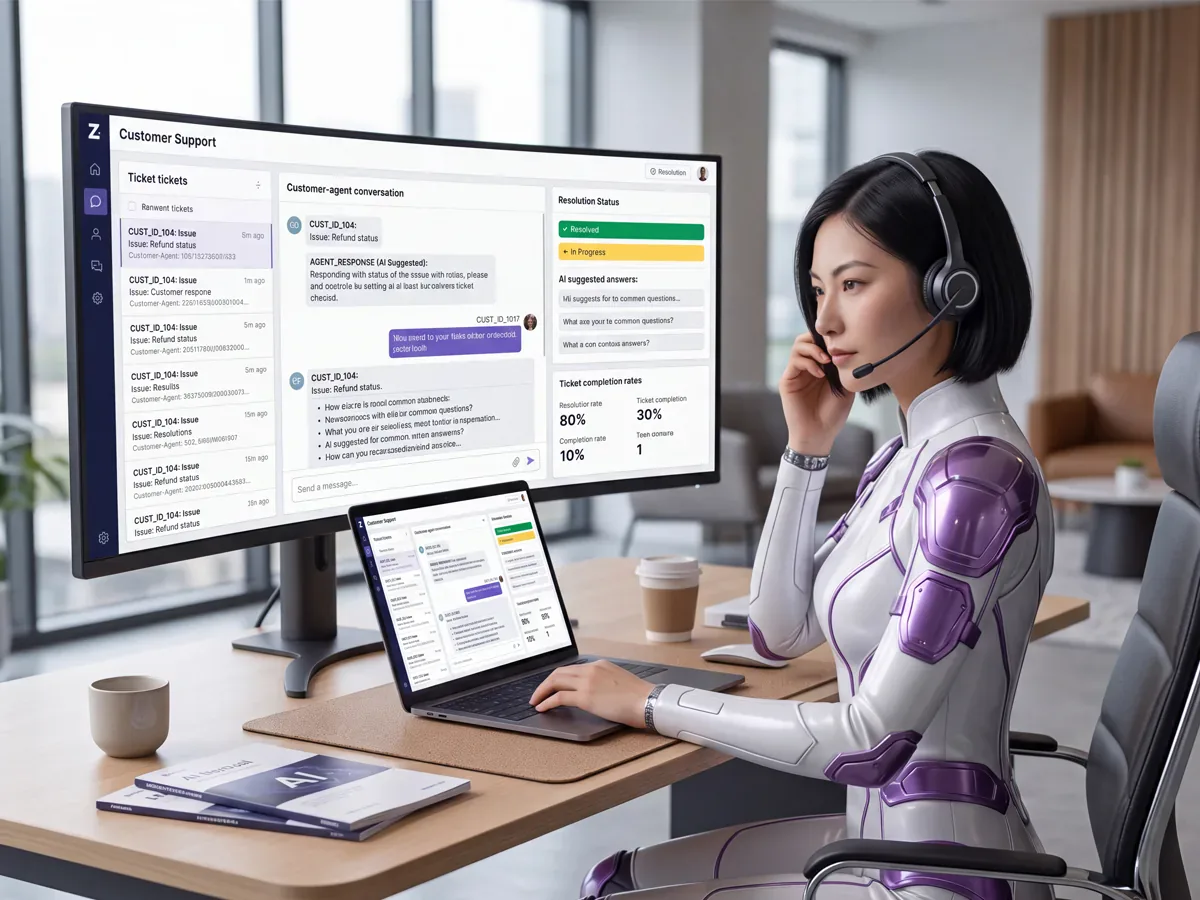 AI Chatbot DevelopmentBuild AI-Powered Conversations That Help Your Business Serve, Sell, and Scale
- RAG SystemsYour organisation has knowledge that is valuable. It can appear in documents, databases, policies, contracts, websites, technical manuals, CRM, research files and internal applications.
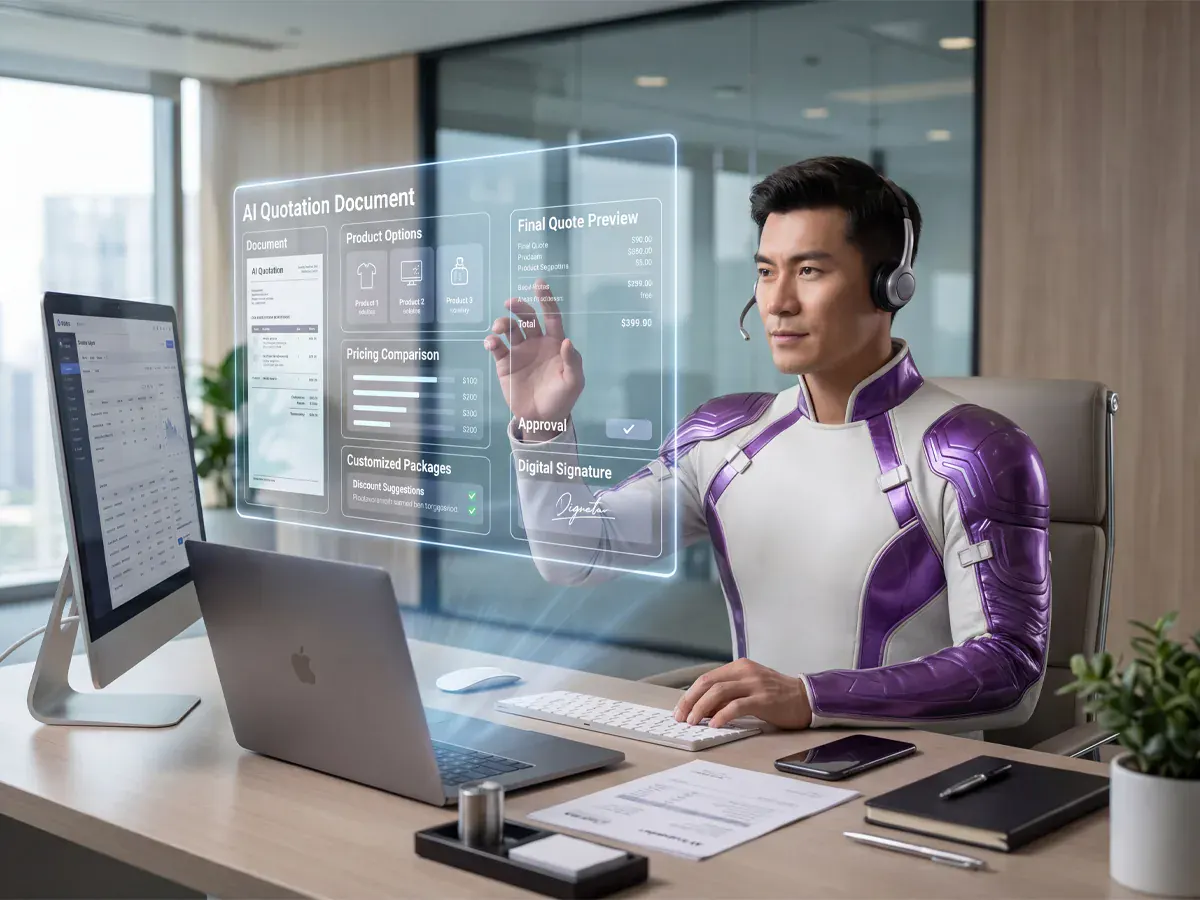 Intelligent AutomationAutomate Repetitive Work. Connect Your Systems. Improve How Your Business Operates.
 AI Security, Governance & ComplianceSecure AI. Govern AI. Deploy AI Responsibly.
- Sentiment AnalysisConduct in-depth customer feedback, conversations, and reviews to derive actionable sentiment intelligence.
Event Management AI Solutions: These are the types of AI solutions that are used to assist with certain parts of the event, including registration information, attendee support, recommendations, communicating, analyzing, and event operations.
An AI registration bot is an event-specific chatbot that assists attendees in locating registration details, and, if permitted, walks them through predetermined registration processes.
Yes. An event AI assistant can respond to inquiries based on standard event data like schedules, policies, venue info, speaker info, FAQs, and more.
Yes. AI can provide suggestions for sessions, speakers, exhibitors, content, and networking based on previously approved event-related data and attendee preferences.
Yes. The recommendation system could take into account stated interests, chosen topics, the registration details, and event activity to bring up relevant sessions.
Yes. AI can assist in identifying exhibitors and sponsors relevant to the attendees based on their interests if data is available.
Yes. AI can suggest possible connections for professionals based on the approved information related to the event and established connection criteria.
Yes. AI can assist with virtual event registration, answer attendee questions, help them find content, even recommend sessions, provide support, and analyze post-event data.
AI can help attendees at a hybrid event by providing information, recommendations, communication, and support to both on-site and virtual participants.
Yes. An AI assistant can provide information about registration options and lead attendees through step-by-step processes.
Yes. If the ticket contains information that has been approved as known knowledge, the bot can give the user an overview of the choices and relevant policies.
It can, if the registration system properly exposes the right fields and the AI workflow is given permission to access them.
Yes. There's often a need to answer the same questions repeatedly by staff, but this can be alleviated by having an assistant who's dedicated to the specific event.
Potentially. The extent of integration will rely on the APIs and webhooks that a registration platform offers, along with authentication options, data availability, and technical limitations.
Yes. Unresolved or sensitive registration issues can be escalated into specific employees' workflows.
Yes. When the rules and information required for the various categories of registration are known, the system can be set up to explain them.
Yes. Staff may be able to find missing or inconsistent data—or maybe even duplicate data—as a result of AI-supported workflows.
Personalization leverages trusted attendee data, preferences, event data, and business rules to identify which event activities or content might be relevant.
This may encompass stated interests, job role, industry, topics selected, session preferences, registration type, and event activity, depending on the event.
They should. The ability to change preferences, decline suggestions, or select information usage as appropriate can be given to the attendees.
Yes. AI can recommend sessions and activities, and can resolve conflicts and suggest alternatives.
Yes. It matches the visitors based on the approved professional interests and event-related criteria.
Yes. Based on the content of the event, recommendations could be made for the exhibitors based on the interests of attendees.
Yes. Recommendation systems can be designed to give reasons that are understandable, based on the information used for a recommendation.
They can, with the system being designed to include authorized changes in attendee preferences or event activity.
Possible deployment areas are event websites, registration pages, attendee portals, mobile apps, and selected messaging channels.
Yes. If the technical environment allows for the required integration, a web-based event assistant can be embedded in an event website.
Potentially. This will be dependent on the architecture of the mobile application, the type of integration that is available, and deployment requirements.
Yes, if venue information is specified in its approved knowledge sources.
Yes. The assistant may be able to supply schedule data when they are connected to the present and approved event schedule data.
Yes. The knowledge base of the assistant can be supplemented with approved accessibility information.
Yes. Selected conversations or issues can be escalated to event staff via escalation workflows.
Yes. There is a knowledge management workflow that can be set up to give the authorized staff the ability to update approved event information.
Yes. With proper access and data governance, AI can be used to understand and structure the registration data for analysis.
Yes. AI can classify open-ended feedback, uncover patterns, and compile a list of common themes.
Yes, if appropriate attendance and engagement information is provided.
Yes. It is possible to review conversations and FAQ interactions to see which questions are common.
Potentially. AI can be used to find similar patterns among historical events if there are enough data and proper governance.
Potentially. The platform's APIs, webhooks, authentication, permissions, documentation, and data-access capabilities are all a part of the integration feasibility.
Yes, if the CRM offers suitable integration options and the necessary access is granted.
Potentially. Technical discovery can be used to factor in APIs, webhooks, or middleware integration or other supported methods.
Potentially. Depending on available APIs, workflows, permissions, and security requirements, help-desk integration will vary.
Yes. One of the prevalent ways to integrate AI processes with existing applications and data systems is via APIs.
Not necessarily. ZechionAI's integration-first approach determines if AI can be integrated around the existing technology landscape.
Protection is dependent on the implementation and architecture. Access restriction, authentication, encryption (where applicable), logging, retention control, secure integration, and monitoring are all appropriate controls.
Yes. Access to specific information can be limited to specific users, services, processes, etc., using role-based access and other authorization mechanisms.
Yes. AI assistants can be built to specific knowledge bases and retrieval processes.
Recommendation rules can be used to limit which data can be used, the kinds of recommendations that can be made, the explanations that can be given, and when the rules need to be reviewed by humans or controlled by an attendee.
Yes. Where the architecture and governance controls support it, access to data might be restricted and sensitive data might not be included in certain workflows.
Yes. It's possible to include human review in communications, escalations, recommendations, reports, and other workflows as needed.
By leveraging outsourcing, organizations can tap into specialized AI, data, integration, automation, and engineering capabilities without the need for an in-house AI development team.
Unlike a typical chatbot, ZechionAI tackles event AI as an engineering and workflow design challenge. Solutions may be based on the event data, existing systems, human supervision, security, and a clear business objective.
Yes. ZechionAI can be utilized for monitoring, optimization, integrations, additional workflows, governance improvements, and continuous development, depending on the engagement model.
Construct a More Useful AI Layer for Your Events
Whether it's assisting with automated registration or suggesting personal session recommendations, ZechionAI helps event organizations incorporate AI where it can be most useful while not taking away meaningful decision-making from the event organizers at the helm.
Talk to Zech, live