- Migration & AI Modernization
- Security & Data Protection
- Cost Optimization
- Scalability
- Development, Test, Staging & Production
ZechionAI enables organisations to design, deploy and operate AI applications in public cloud, private cloud, hybrid, on-premises and edge environments.

Getting from AI Development to a Production Environment
The choice of the right infrastructure will depend on your AI workload, data sensitivity, existing technology, budget, scalability needs, model, and any necessary security and compliance obligations. We assist you in assessing all those factors and set up a deployment model that adapts to your Business and not to your infrastructure.
Creating an AI application is just the beginning. The system also requires a proper location to be deployed, access to a suitable data and business system, access to the proper compute resources, security controls, monitoring, and a practical operating model.
Some organizations need the flexibility of public cloud infrastructure. Others desire more control over the environment. Some require both, others may be more appropriate to be housed in infrastructure either in a facility or close to the devices producing the information.
ZechionAI can assist organizations in assessing these options, developing the architecture, deploying the system and providing support once it is up and running.
What is Cloud & On-Premises AI Deployment?
AI deployment is what dictates the location of an AI application, model, data-processing workload and infrastructure.
A deployment architecture might impact on:

- The way data is processed and stored.
- The interconnection of applications to business systems.
- How infrastructure is protected.
- How computing resources are scaled up and down.
- The amount of infrastructure that the organization needs to oversee
- The costs of the operation of the business.
- How applications are monitored and maintained
- The design of the disaster recovery.
The application of regulatory and contractual requirements are addressed in an applicable way.
A better time to decide on deployment is during the planning phase in the AI solution development process, not after. Application that is not designed for production purposes may need a lot of changes to function well at scale.
ZechionAI takes a holistic approach when considering the deployment model before recommending one.
AI Deployment Options
Public Cloud Deployment
Public cloud deployment is the deployment of infrastructure and managed services via cloud platforms.
It may be a good choice for organizations that appreciate rapid implementation, elastic capacity, managed infrastructure or geographic flexibility.
Potential advantages
- Faster infrastructure provisioning
- Flexible computing capacity
- Reduce up-front hardware investment
- Access to managed infrastructure services
- Simplified scaling to accommodate varying workloads.
- The ability to support distributed applications.
- Geographic deployment flexibility
Cloud is not always the most or the least optimal or cost effective. The suitability is dependent on the characteristics of workload, data requirements, architecture, security controls, usage patterns, and the organization's operating model.
ZechionAI can create AI environments on any major cloud platform, without affiliating with or certifying with a platform.
Private Cloud Deployment
Private cloud environments are another style of infrastructure that offer a greater degree of control, but maintain a lot of the attributes of the cloud.
This is helpful in situations where an organization requires:
- Dedicated infrastructure
- Greater infrastructure control
- Custom security configurations
- Controlled network access
- Centralized governance
- Predictable infrastructure allocation
The integration to be made into current enterprise solutions.
Private cloud architecture can be built on top of an organization's current infrastructure, security policies, applications and operations.
Hybrid Cloud Deployment
Hybrid deployment is a blend of controlled infrastructure and cloud resources.
For example:
- Sensitive information that will be kept in a controlled/private environment
- Bringing scalable AI processing to the cloud.
- Business applications → secured APIs.
- Reporting and analytics is an environment that centralizes data.
This model can enable organizations to keep some workloads in place in their current environment, and move others to cloud infrastructure where flexibility or extra capacity is helpful.
The problem is architecture. Identities, networking, data transfers, APIs, monitoring, security, and workload management need to span environments.
ZechionAI develops hybrid architectures based on these practical requirements.
On-Premises AI Deployment
On-premises deployment involves running AI workloads on infrastructure managed by the organization.
It can be suitable for organizations with major control requirements over their infrastructure, those who need to tightly integrate with their other infrastructures, or organizations with workloads that cannot be easily migrated to an external host.
Potential advantages
- Control over the infrastructure directly.
- Local data processing
- The ability to integrate with the internal systems.
- Organization-specific security policies
- Controlled network environments
- Local model hosting
More control over infrastructure configuration.
There are also responsibilities to deploy the solution on premises. The hardware, capacity of GPUs, power, cooling systems, networking, monitoring, backups, security, upgrades and internal IT support may require planning.
More secure doesn't always go hand in hand with on-premises. Security is dependent on the architecture, configuration, controls, processes and continuous management.
Edge AI Deployment
AI processing is brought closer to where data is created with Edge AI.
Potential environments include:
- Retail locations
- Manufacturing facilities
- Vehicles
- Warehouses
- Cameras
- Medical equipment
- Remote facilities
- Field operations
- IoT devices
Where low-latency, intermittent connections, local processing, bandwidth restrictions or location-specific data handling requirements are important, deploying the edge can be beneficial.
The downside of distributed infrastructure is the need for more device management, monitoring, software updates, security measures, and operational planning.
Actually, it's Cloud AI Deployment Services
ZechionAI can serve as a solution provider to cloud-based AI environments with services such as:
- The deployment of Cloud AI applications
- Cloud-native AI architecture
- AI infrastructure configuration
- Containerized AI deployment
- Kubernetes-based deployment
- Model serving infrastructure
- AI API deployment
- Cloud database integration
- Cloud storage integration
- Secure network configuration
- Identify and access configuration
- Develop, stage, and produce environments
- Auto-scaling configuration
- Cloud monitoring
- Logging and observability
- Backup configuration
- Disaster recovery planning
- Cloud cost optimization
- Deployment automation
- CI/CD integration
The approach to implementing the Cloud solution is chosen based on the workload and the client's current Cloud environment, and not based on the assumption that the same stack is needed for every application.
On-Premises AI Deployment Services
Organizations that prefer or need an internal infrastructure can work with ZechionAI to:
- AI server deployment
- GPU infrastructure planning
- Model hosting
- Private AI environments
- Internal API deployment
- Containerized deployment
- The environment of Kubernetes and orchestration.
- Network integration
- Identity and access management
- Internal database integration
- Data storage architecture
- Backup planning
- Monitoring and logging
- Infrastructure documentation
- Environment configuration
- Performance optimization
- Maintenance planning
- Security hardening
- Production deployment support
We also assist clients with an understanding of the requirements in operations prior to an on premises architecture.
Hybrid AI Deployment
However, hybrid AI architecture can be beneficial if the workloads have varying infrastructure needs.
For instance, a company might retain sensitive data in a secure environment while moving workloads that are well-managed and controlled to cloud infrastructure.
Examples of a hybrid implementation could incorporate:
- Private data environments
- Cloud AI services
- Internal APIs
- Secure network connectivity
- Centralized identity management
- Shared monitoring
- Workload-specific access policies
- Data synchronization
- Centralized reporting
On business, technical, security, cost and operational considerations, ZechionAI determines which workloads are best suited to be managed in-house and which ones are best suited for a cloud-based infrastructure.
Edge AI Deployment Services
ZechionAI can create and deploy edge-based AI environments for edge or near-edge applications.
Services include
- Edge model deployment
- Local inference
- Device-to-cloud architecture
- Low-latency AI processing
- The most effective of all, offline or intermittent-connectivity AI.
- Camera-based AI
- IoT AI processing
- AI for vehicles and fleets.
- Retail edge AI
- Manufacturing edge AI
- Remote-site AI
The strategies employed to monitor and update the edge.
The architecture takes into account the model of the artificial intelligence, as well as the practical aspects of distributed infrastructure.
Deployment Assessment
Prior to suggesting an architecture, ZechionAI assesses the parameters affecting the deployment and functioning of the AI system.
Business Requirements
- Business objectives
- Budget
- Growth expectations
- Operational requirements
- Geographic requirements
- Internal IT capabilities
- Service expectations
Data Requirements
- Data sensitivity
- Data volume
- Data location
- Data residency
- Data retention
- Data movement requirements
- Data processing locations
Technology Requirements
- Existing infrastructure
- Application architecture
- APIs
- Databases
- Compute requirements
- GPU requirements
- Integration requirements
- Network architecture
Security Requirements
- Identity and access controls
- Network segmentation
- Encryption
- Secrets management
- Logging
- Monitoring
- Vulnerability management
Compliance Requirements
The deployment planning will depend on the organization and jurisdiction and include considerations such as:
- HIPAA
- SOC 2
- GDPR
- PCI DSS
- CCPA/CPRA
- Industry-specific obligations
- Contractual data-handling requirements
Simply deploying a model does not ensure compliance. ZechionAI helps incorporate applicable requirements into the technical architecture and implementation process.
AI Deployment Architecture & Infrastructure Services
Hosting models isn't enough for a production AI environment.
ZechionAI can assist in designing:
Infrastructure Architecture
Resources, environments, networking, store, compute.
AI Model Architecture
Model serving, inference infrastructure, model versions and workload placement.
Application Architecture
Application components, services, APIs, containers and dependencies.
Data Architecture
Databases, Data stores, Pipelines, Data movement and access patterns.
Network Architecture
Connectivity, segmentation, routing, firewalls, private connectivity, and traffic management.
Security Architecture
Identity, access, encryption, secrets, logging, monitoring and security controls.
Disaster Recovery Architecture
Backups, Redundancy, Fail-over and recovery, RTO and RPO planning.
Monitoring Architecture
Monitoring of infrastructure, application, API, model, resource, and operational.
Scaling Architecture
Capacity planning, load balancing, horizontal scaling, vertical scaling, and workload prioritization.
Cloud & On-Premises Deployment services
8 services
Migration & AI Modernization
Already have an AI application? ZechionAI can assist you with its relocation or modernization.
Migration services include
- On-premises-to-cloud migration
- Cloud-to-cloud migration
- Cloud-to-on-premises migration
- Legacy AI modernization
- Application containerization
- Infrastructure modernization
- Model migration
- Database migration
- API modernization
- Hybrid architecture implementation
- Workload optimization
- Post-migration validation
Migration can be staged, and where possible, individual components can be validated before the entire production workload is migrated.
Security & Data Protection

AI infrastructure should be built to meet the specific risk profile and operating context of the organization.
ZechionAI is capable of integrating in controls like:
- Encryption in transit
- Encryption at rest
- Identity and access management
- Role-based access controls
- Network segmentation
- Secrets management
- Secure API communication
- Environment isolation
- Logging
- Monitoring
- Vulnerability management
- Backup controls
- Disaster recovery
- Data access policies
Different levels of security are required for different workloads and organizations. ZechionAI collaborates with clients to design an architecture that aligns with their security policies, data needs, infrastructure and obligations.
No deployment model is 100% secure. Configuring, operating, managing access, monitoring, maintaining and controlling an organization are also critical for effective protection.
Cost Optimization
Investments and operating costs are impacted by infrastructure decisions.
ZechionAI can assist in assessing:
- Cloud compute
- GPU usage
- Storage
- Data transfer
- Software licensing
- Monitoring
- Hardware acquisition
- Hardware lifecycle
- Infrastructure management
- Maintenance
- Support
- Backup and recovery needs
A cloud environment may lower the initial infrastructure investment, but add costs each time something is used. On-premises infrastructure offers more control and may involve hardware investments and maintenance.
The objective is not just to select the lowest cost infrastructure. It is to design an architecture that has an overall cost that is suitable for the workload and intended operation model.
Scalability
AI workloads are subject to many transformations post-launch.
ZechionAI can create infrastructure based on the needs of:
- Horizontal scaling
- Vertical scaling
- Auto-scaling
- Load balancing
- Container orchestration
- GPU scaling
- Distributed inference
- Capacity planning
- Traffic management
- Workload prioritization
While a customer-facing generative AI platform might require robust infrastructure to support thousands of users, a small internal AI assistant could have significantly different needs.
Architecture must adapt to the real workload, not expecting enterprise-class infrastructure on day one for every AI application.
Installing HA & DR is a straightforward process

Prior to production deployment, plan for availability and recovery for business critical AI applications.
These are some of the architecture options that can be included, depending on requirements:
- Infrastructure redundancy
- Backup strategies
- Failover planning
- Recovery procedures
- Disaster recovery environments
- Business continuity planning
- Monitoring
- Incident response procedures
Recovery targets like Recovery Point Objective (RPO) and Recovery Time Objective (RTO) should be determined based on the impact of data loss or downtime on the business.
Development, Test, Staging & Production

ZechionAI can organise AI environments in such a way that no development activity obstructs the production systems unnecessarily.
Production
- Version control
- Configuration management
- Infrastructure-as-code where appropriate
- Automated deployment
- Testing workflows
- Approval processes
- Production release controls
- Rollback planning
Typical environments include:
For the functioning of companies.
The following is a list of several strategies to consider when you deploy:
Development
Use for application, model development.
Testing
To enable functional, integration, security and performance validation.
Staging
Validation for release – production like.
MLOps & AI Operations
Live deployment is just the beginning of AI usage.
ZechionAI can integrate deployment architecture and continuous MLOps and AI operations, such as:
- Model deployment
- Model versioning
- Model monitoring
- Performance monitoring
- Drift monitoring
- Retraining workflows
- CI/CD
- Infrastructure monitoring
- Logging
- Alerting
- Deployment rollback
- Resource monitoring
- Capacity management
This lays the groundwork for managing AI systems once they go into production.
Integrating with existing business systems
AI typically works in tandem with other technologies.
- CRM platforms
- ERP systems
- POS systems
- HR systems
- Accounting platforms
- E-commerce systems
- Databases
- Data warehouses
- Data lakes
- Internal applications
- APIs
- Business intelligence platforms
- IoT platforms
ZechionAI can be connected to any deployed AI system, including:
Some of the most popular enterprise platforms include Salesforce, HubSpot, Shopify, Microsoft Dynamics, SAP, Oracle and more.
Availability of an integration depends on system APIs and access policies, technical architecture, licensing, and client environment.
AI Workloads We Deploy
Different AI workloads can have very different infrastructure requirements.
- 01
AI Chatbots
Large-scale customer-facing conversational applications can be implemented in cloud or hybrid environments.
- 02
Generative AI & LLM Applications
Various models can be deployed on private, cloud, hybrid, or on-premises architectures, depending on the size of the model, the sensitivity of the data, the need for inferences, and operational considerations.
- 03
AI Agents
Application orchestration, API access, model serving, observability, and robust permission controls are all components of agent platforms.
- 04
Predictive Analytics
For analytics workloads, you might need to use flexible compute in the cloud, and for sensitive data, you might need to use the controlled environment.
- 05
Computer Vision
For processing images or video directly at the camera or at the location of the operational facilities, edge deployment can be helpful.
- 06
Document AI & OCR
Organizations can opt for cloud processing, private cloud processing, or on-premises processing, depending on the sensitivity of the documents and the need for workflow.
- 07
Recommendation Engines
Cloud set-ups can be used for fluctuating customer needs, and private set-ups can be used for controlled data environments.
- 08
Fraud Detection
Low latency architecture, secure data pipelines, and high availability might be required in real time systems.
- 09
Voice AI & NLP
The deployment can take place based on latency, privacy, model needs, and integration architecture.
- 10
Real-Time Analytics
Depending on the data velocity and the location where processing should take place, cloud, hybrid or edge architectures can be considered.
ZechionAI Cloud & On-Premises Deployment Sub-Services
- Cloud AI Deployment
- Private Cloud AI Deployment
- Hybrid AI Deployment
- On-Premises AI Deployment
- Edge AI Deployment
- AI Infrastructure Architecture
- GPU Infrastructure Planning
- AI Model Hosting
- AI Application Deployment
- Containerized AI Deployment
- Kubernetes AI Deployment
- AI API Deployment
- Cloud Migration for AI
- AI Infrastructure Migration
- Legacy AI Modernization
- DevOps & MLOps Deployment
- Continuous Delivery for Artificial Intelligence systems.
- AI Monitoring & Observability
- AI Infrastructure Security
- Disaster Recovery for AI
- High-Availability AI Architecture
- Cloud Cost Optimization
- Infrastructure Performance Optimization
- Deployment Automation
- Environment Management
- Production AI Support
- Edge AI Infrastructure
- Hybrid Data Architecture
- AI Infrastructure Assessment
- Deployment Strategy Consulting
Our AI Deployment Process
- 01
Understand
Business objectives, AI workloads, data, infrastructure, budget, integration requirements, and operational considerations are discussed.
- 02
Assess
Assesses the current technology landscape and constraints, dependencies, risks and opportunities for deployment.
- 03
Recommend
The various public cloud, private cloud, hybrid, on-premises, and edge options are compared to the actual needs.
- 04
Architect
We create all the architecture, including infrastructure, application, AI, data, networking, security, monitoring, and recovery.
- 05
Build
We set up the necessary infrastructure, models, APIs, databases and environment up for the AI application.
- 06
Integrate
Integrate the AI solution with business applications, databases, APIs and data sources.
- 07
Test
Functionality, security controls, performance, reliability, integration and deployment procedures are validated.
- 08
Deploy
The approved solution is deployed into the production environment following an agreed deployment plan.
- 09
Monitor
Infrastructure, applications, models, APIs, resources and operational events are monitored.
- 10
Optimize
We pinpoint areas for enhancing utilization, reliability, scalability, performance and cost of operation.
- 11
Support
Continuous deployment and technical support based on agreed engagement and service model is provided.
Business Benefits

Flexible Infrastructure
Choose the infrastructure model that meets the operational needs of an organisation, rather than a pre-defined deployment pattern.
Better Data Control
Store workload and data in environments suitable for their sensitivity and access.
Cost Management
Assess infrastructure for workload economics, usage and hardware needs and long-term operations.
Scalable AI
Add or remove resources as per the demand of the application.
Existing-System Integration
Use AI in conjunction with the business's existing CRM, ERP, databases, APIs, etc. systems.
Security Alignment
Plan infrastructure around organizational security policies and access requirements, network controls and risk factors.
Compliance Considerations
Consider regulatory, contractual and industry requirements in architecture and deployment planning.
Operational Continuity
Establish proper monitoring, backup, redundancy, failover and recovery mechanisms as needed by business requirements.
Faster Production Deployment
Implement an articulated process to deploy AI solutions into the operational environment.
Long-Term Flexibility
Do not have too much reliance on a single infrastructure designed when needs may shift.
Why choose to deploy your AI on the cloud and on-premises with ZechionAI?
It can be necessary to have the ability to build and operate AI infrastructure in-house, which involves AI engineering, cloud architecture, networking, security, DevOps, MLOps, infrastructure and production operations.
When extra expertise and/or delivery capacity is required, ZechionAI can complement your technical team.
The benefits of an external deployment partner organization
- Specialized expertise in the field of AI infrastructure.
- Ability to deploy on cloud and on-premises.
- AI and infrastructure expertise in one team.
- Practical deployment architecture
- Lowered workload on internal infrastructure.
- Security-conscious implementation
- MLOps capabilities
- Business-system integration support
- Scalable deployment planning
- Cost-aware infrastructure design
- Deployment automation
- Production support
- Ongoing optimization
- Flexible engagement options
It's not a “one size fits all” solution for every company. If the company has an internal team that is capable of handling deployment, it may opt for that approach. ZechionAI can also be partnered with those teams when the expertise of deploying specialized AI is needed.
Why Partner With ZechionAI?
A single Partner that supports multiple deployment models.
Switch between cloud, private, hybrid, on-premises and edge architectures depending on the business needs.
- 01
Business-First Infrastructure Planning
Technical decisions relate to business goals, operational needs, budget and growth strategy.
- 02
AI-Specific Deployment Expertise
There are things that AI systems might need that traditional applications might not. Architecture is impacted by model serving, GPU resources, inference, data pipelines, monitoring, and MLOps.
- 03
Flexible Architecture
We don't presume everyone has the same infrastructure requirements.
- 04
Practical Implementation
Architecture recommendations are created keeping in mind implementation and maintenance.
- 05
Security-Conscious Design
Security controls are not an "afterthought" in the deployment architecture.
- 06
Integration Support
Integrate AI into existing systems and data that power the business.
- 07
MLOps & Production Support
Support is not just limited to deployment, but also includes monitoring, optimization, model operations and production management.
- 08
Vendor-Neutral Recommendations
Recommendations for infrastructure should not only be based on workloads, but also on avoiding vendor lock-in.
- 09
Cost-Aware Planning
The choice of infrastructure is based on the costs of the infrastructure investment as well as on-going operating costs.
- 10
Clear Documentation
Documentation of architecture, configuration, deployment procedures and operational requirements can be done for the internal teams.
- 11
Long-Term Optimization
The deployment environment can be subsequently reviewed and adjusted as workloads evolve.
Industries We Serve
All industries HealthcareApplications where sensitive data must be handled properly, where integrations are required with other applications within the organization, where controlled access to data is required, and where healthcare requirements are applicable.
 Hospitality & TourismGuest-facing AI and bookings, operational automation, customer service, analytics, and personalization.
 Beauty & WellnessCustomer engagement, appointment automation, personalisation, analytics, and operational intelligence.
 Transportation & MobilityRoutes and optimisation, dispatch, fleet intelligence, predictive maintenance, computer vision and real-time applications.
 Real EstateProperty intelligence, lead management, document processing, predictive analytics and AI assistants.
 Retail & E-commerceRecommendation systems, Customer service, Demand forecasting, Fraud detection, Personalization, Inventory intelligence.
 Food & BeverageOrder management systems, customer interaction, predictive forecasting, inventory intelligence and operational automation.
 EducationAI assistants, learning platforms, analytics, document processing and administrative automation.
 Corporate & Professional ServicesInternal AI assistants, document intelligence, workflow automation, knowledge systems and business analytics.
 Construction & Facility ManagementComputer vision, predictive maintenance, field operations, asset intelligence, and workflow automation.
Use cases for practical deployment of AI
- Use Case
- Potential Deployment Approach
- Why It May Fit
- Enterprise AI Assistant
- Private / Hybrid
- Good when internal knowledge and access controls are significant
Healthcare AI Application
Private / Hybrid / On-Premises
May need to use controlled data environments and special integrations
Customer Service Chatbot
Public Cloud / Hybrid
Can leverage scalable customer facing infrastructure
Private LLM
Private / On-Premises / Hybrid
It can be helpful when an organization wishes to have more control over model and data environments.
AI Agent Platform
Cloud / Private / Hybrid
Needs model, API, workflow, identity and monitoring infrastructure
Document Processing
Private / Cloud / On-Premises
The deployment may be determined by the sensitivity of documents and number of documents to be processed.
Computer Vision
Edge / Hybrid
Local inference can minimize latency and unnecessary data transfers
Predictive Maintenance
Edge / Hybrid
Appropriate where operational data is located at physical facilities
Fleet Intelligence
Cloud / Edge / Hybrid
Provides both centralized and vehicle level processing support
Fraud Detection
Cloud / Private / Hybrid
Needs secure data pipelines and may need low-latency processing
AI-Powered CRM
Cloud / Hybrid
Can use AI to enhance customer and sales processes
Manufacturing Vision
Edge / On-Premises
In some cases, local processing may be helpful for real-time operations in a facility.
These are examples of general architecture. What is appropriate is dependent on the specific workload and environment.
This service is for
ZechionAI deployment services can help you:
Companies developing their initial production AI application.
SMBs embracing AI without a big in-house IT team.
Mid-market enterprises expanding AI use.
Enterprises with several AI workloads.
Organizations that have unique data and infrastructure needs and are regulated.
Organizations upgrading their legacy AI infrastructure.
Cloud-based migration of AI workloads for businesses.
Companies using hybrid infrastructure.
AI in the physical world organisations that are using AI in the physical world.
Businesses requiring extra AI infrastructure skills in addition to their in-house IT staff.
Services in the Cloud versus Services on Private Networks versus Hybrid versus On-Premises versus Edge

- Deployment Model
- Best For
- Scalability
- Infrastructure Control
- Upfront Investment
- Typical Consideration
- Public Cloud
- Quick deployment and elastic workloads.
- High
- Moderate
- Low
- Ongoing cloud usage costs
Private Cloud
- Controlled enterprise environments
- High
- High
- Medium
- Infrastructure management
- Hybrid
- Multiple workloads and data needs
- High
- High
- Medium
- Architecture complexity
- On-Premises
- High infrastructure control
- Depends on infrastructure
- Very High
- High
- Hardware and maintenance
- Edge
- Low latency/ local AI processing
- Workload dependent
- High
- Medium–High
- Distributed management
These are general properties and not guarantees. The actual cost, scalability, security, performance, operational requirements will vary based on the specific architecture.
Related services
- MLOps & AI OperationsTurn Machine Learning Models Into Reliable, Production-Ready AI Systems
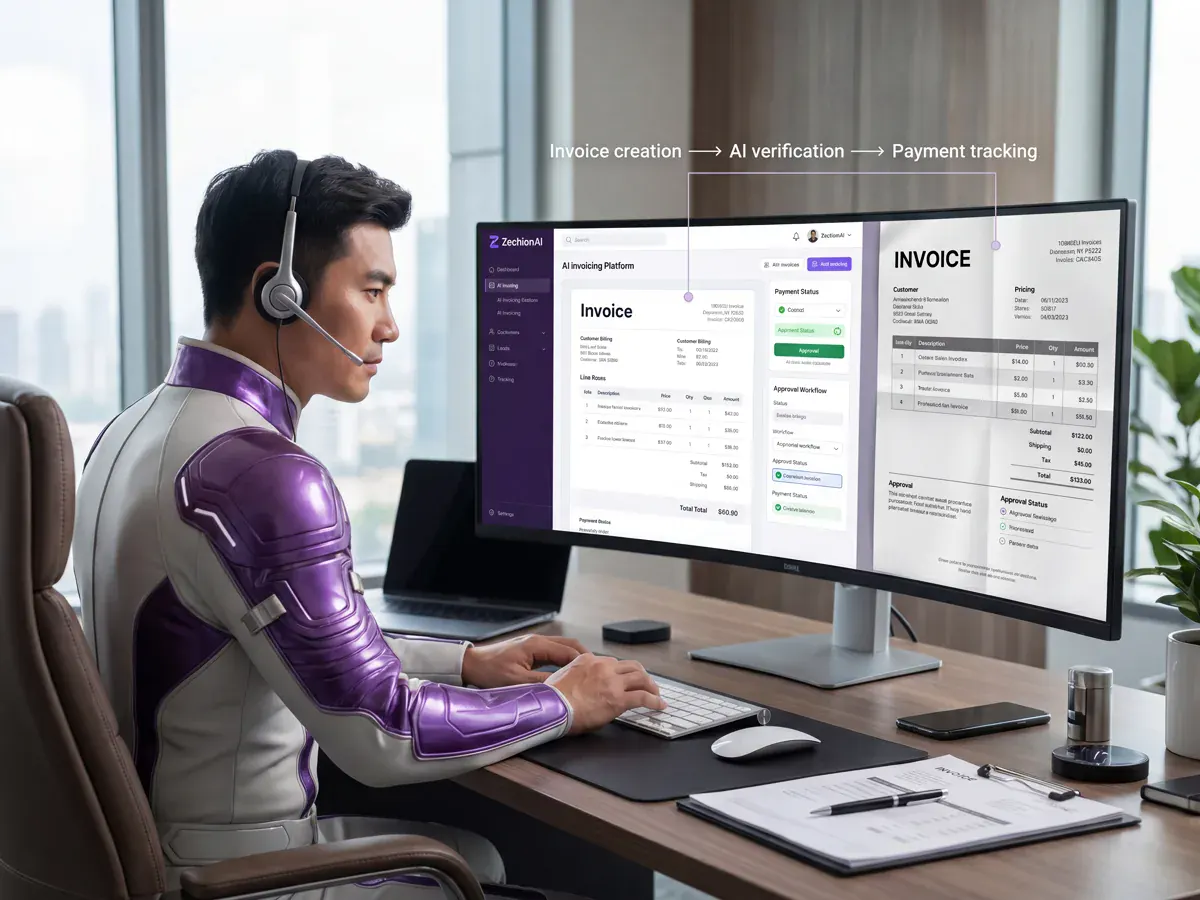 Document Processing & OCRTurn Documents Into Structured Data, Intelligent Workflows, and Actionable Information
 Generative AIGenerative AI can give employees quicker access to institutional knowledge and enable tasks that are information-rich to be automated.
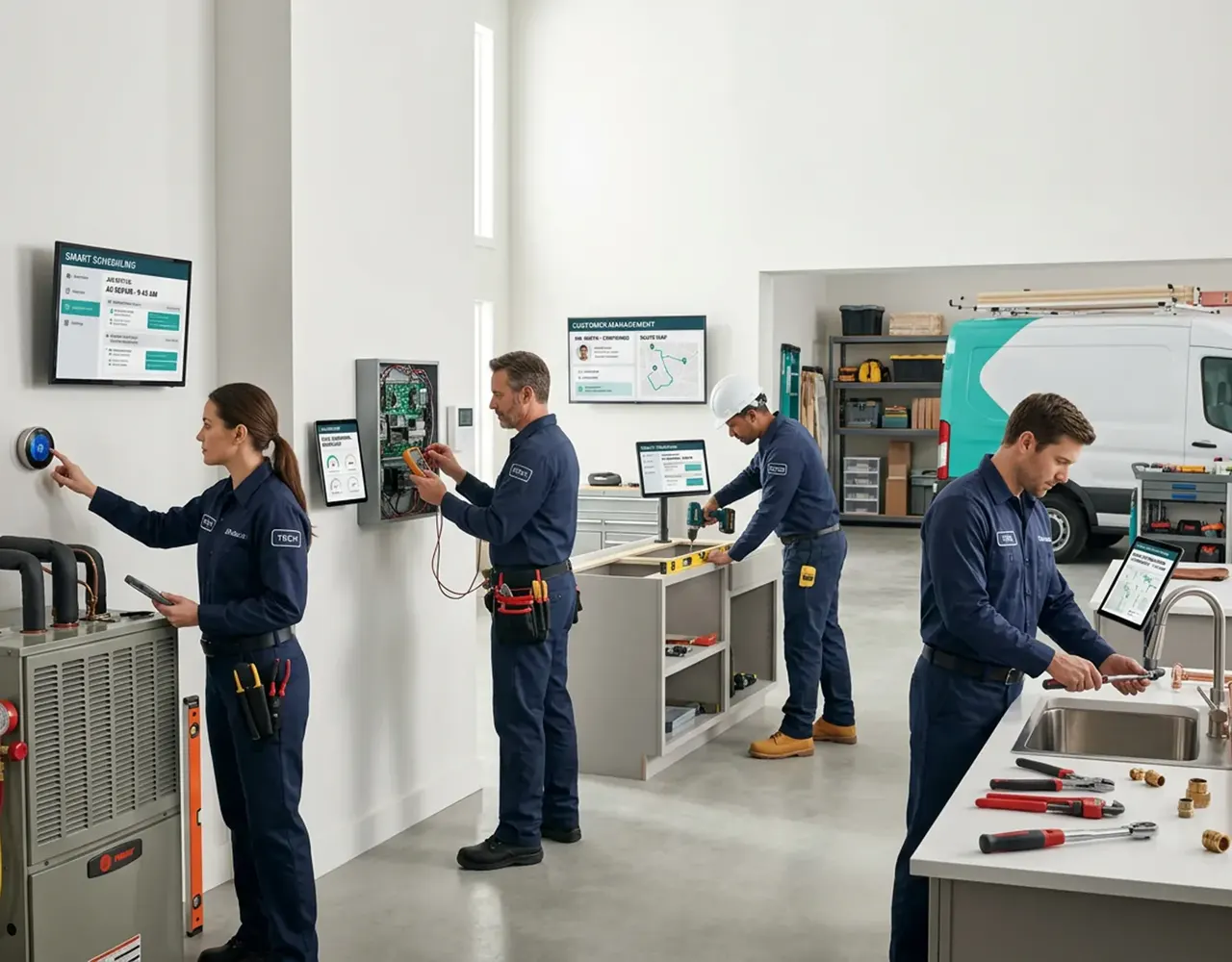 Computer VisionTurn Visual Data Into Actionable Intelligence
 Fraud DetectionDetect Meaningful Risk. Reduce Unnecessary Friction. Strengthen Fraud Operations.
 AI Agents & Autonomous AIAI Agents Built Around Real Business Workflows, Data, Tools, and Outcomes
 Predictive AnalyticsTurn Historical and Real-Time Data Into Better Business Decisions
- Managed AI ServicesKeep your AI running at peak performance — 24/7.
Cloud AI deployment means running AI applications, models, supporting services, and associated infrastructure using cloud resources. The architecture can range from simple application hosting to complex AI platforms with dedicated compute, databases, APIs, and monitoring.
On-premises AI deployment places the AI workload within infrastructure controlled by the organization. This can provide significant infrastructure and data-processing control, but the organization also takes on hardware, maintenance, security, monitoring, and operational responsibilities.
There is no universal answer. ZechionAI evaluates your workload, data, budget, infrastructure, security requirements, integration needs, scalability expectations, and operational model before recommending an approach.
Not necessarily. Cloud may reduce upfront hardware investment, while on-premises infrastructure may make economic sense for stable, high-volume workloads in certain circumstances. Total cost should include compute, GPUs, storage, networking, software, maintenance, monitoring, support, and infrastructure management.
Yes, where the existing environment meets the technical requirements of the AI workload. We can assess available compute, GPU resources, operating systems, networking, storage, security controls, and other dependencies.
Yes. ZechionAI can design architectures that connect controlled infrastructure with cloud resources through appropriate networking, APIs, identity controls, data flows, and monitoring.
Yes, depending on the model, infrastructure, application requirements, and licensing. On-premises or private deployment can be considered when local processing is appropriate.
Yes. Private LLM deployments can be designed for cloud, private cloud, hybrid, or on-premises environments depending on model requirements, hardware, data sensitivity, access controls, and operational needs.
Data handling is designed around the client's architecture, access requirements, security policies, and applicable obligations. Controls may include encryption, access management, network segmentation, secure APIs, environment isolation, logging, and data-handling policies.
Yes. ZechionAI can incorporate applicable HIPAA-related technical considerations into deployment planning. However, no particular infrastructure model automatically makes an organization HIPAA compliant. Compliance depends on the broader administrative, technical, physical, contractual, and operational environment.
Yes. Migration can include application assessment, containerization, infrastructure design, model migration, database migration, API modernization, testing, deployment, and post-migration validation.
Yes, where the workload and licensing requirements support it. We can assess application dependencies, model requirements, compute, GPU capacity, networking, storage, and operational requirements.
Yes. GPU requirements can be assessed for model training, inference, computer vision, generative AI, LLMs, and other compute-intensive workloads.
Yes. AI applications can be integrated with supported systems through APIs, databases, middleware, connectors, or other appropriate integration methods. The available approach depends on the specific platform and access permissions.
Monitoring can cover infrastructure health, application performance, APIs, resource utilization, model performance, logs, alerts, and operational events. The monitoring scope is defined according to the workload and service agreement.
Yes. Ongoing support can be structured around the client's requirements and may include monitoring, troubleshooting, optimization, deployment assistance, infrastructure maintenance coordination, and MLOps support.
The infrastructure can be reviewed for additional capacity, horizontal or vertical scaling, GPU expansion, load balancing, workload prioritization, distributed inference, or architectural changes.
The timeline depends on application complexity, infrastructure readiness, integrations, security requirements, model requirements, testing, and deployment scope. A simple application using an existing environment may require significantly less work than a multi-system enterprise deployment.
Yes. We can evaluate infrastructure acquisition, compute, GPU usage, storage, networking, software, monitoring, maintenance, support, and expected workload patterns to create a more practical comparison.
Not necessarily. Existing infrastructure can often be incorporated into cloud, hybrid, private, or on-premises architectures if it meets the workload's technical and operational requirements.
Deploy AI Where It Works Best for Your Business
Your AI deployment model should reflect your workload, data, infrastructure, budget, security requirements, and growth plans.
Talk to Zech, live