
AI Solutions for Fashion & Apparel
Style Recommendations. Trend Forecasting. Customer Intelligence.
Talk to Zech, live

There is more customer data, more product data, more market data and more operational data available than ever to fashion businesses, but it can be challenging to translate these data into useful decisions.
AI in Fashion & Apparel
ZechionAI empowers fashion and apparel businesses to understand customer behavior, enhance product search, customize shopping experiences, detect demand trends, assist in trend prediction, boost merchandising choices, and automate real-world workflows.
We'll cover AI strategy, Machine Learning, Recommender systems, Predictive analytics, Generative AI, RAG, Computer Vision, Data integration, Workflow automation, Security, Governance, and Continuous development of AI.
The goal is not to take the place of designers, buyers, merchandisers, stylists, planners, or business leaders. It is to provide those teams with better information, relevant recommendations and practical tools in order to make decisions.
There are several indicators that play into fashion choices.
A customer might have been attracted to a previous purchase, favourite colours, price expectations, time spent shopping, the time of year, the occasion, how tight the fit is, availability or even brand loyalty.
Historical sales, category movement, regional demand, product attributes, inventory position, pricing, seasonality and market activity are all factors a buyer should consider.
The merchandiser may need to be aware of what products are selling, what categories are weak, where the demand is shifting, and if one product is competing with another.
AI can automate and analyse these signals in a way that is impractical with manual methods.
ZechionAI designs AI systems that can help fashion organizations:
- Analyze customer behavior
- Identify customer segments
- Recommend relevant products
- Improve product discovery
- Prioritize products based on customer / business context
- Identify product relationships
- Analyze assortment performance
- Forecast demand
- Detect inventory risk
- Understand how to evaluate prices and promotions
- Recognise potential trend reversals
- Support merchandising decisions
- Automate repetitive workflows
- Assist customer-service teams
- Process product information
- Enrich product catalogs
- Support internal research
- Give a summary of approved business information
- Link information between business systems
- Monitor AI systems and their outputs
Predictions remain estimates. Recommendations remain recommendations. Throughout the process, fashion knowledge and knowledge of business are still essential.
The Data Behind Fashion AI
The first step to successful fashion AI is beneficial data.
Customer Data
Depending on the permissions, systems and privacy requirements of the organization, data may contain:
- Purchase history
- Browsing behavior
- Search behavior
- Product views
- Wishlist activity
- Cart activity
- Returns
- Product ratings
- Reviews
- Customer preferences
- Size preferences
- Color preferences
- Style preferences
- Price sensitivity
- Promotional response
- Geographic behavior
- Channel behavior
- Customer-service interactions
- Loyalty activity
- Engagement history
Product Data
AI systems can be integrated with structured product information like:
- Product category
- Product attributes
- Fabric
- Material information
- Color
- Pattern
- Silhouette
- Size
- Fit
- Season
- Price
- Brand
- Collection
- Product lifecycle
- Availability
- Inventory
- Historical sales
High accuracy of market and trend data
Subject to legal access and technical feasibility:
- Search trends
- Social signals
- Product demand
- Regional demand
- Seasonal patterns
- Category growth
- Consumer preferences
- Competitor observations
- Product reviews
- Editorial signals
- Assortment movement
- Market activity
These signals can be organized, classified, compared, analyzed, forecasted, summarized, recommended, and prioritized using AI.
The quality of the output is much dependent on the quality, completeness, timeliness, structure, and permissible use of underlying data.
Fashion & Apparel Business Challenges
Customer Experience
There are numerous things to choose from when it comes to fashion.
Common challenges include:
- The number of products to choose through is too large.
- Generic recommendations
- Difficulty finding relevant styles
- Inconsistent personalization
- Choice overload
Not enough information about people's preferences.
With limited ability to convert the natural language requests into product searches.
By linking customer intent and behavior to relevant products and content, AI can help to reduce the information burden.
Merchandising
Merchandising teams could be asked to manage the large, evolving assortment.
Challenges can include:
- Identifying emerging demand
- Managing large assortments
- Seasonal uncertainty
- Product cannibalization
- Allocation decisions
- Slow reporting cycles
- Fragmented data
- Lack of ability to make product performance comparisons between regions and channels
Trend Planning
Fashion tastes are fickle.
Teams might have to interpret:
- Weak market signals
- Regional differences
- Seasonal patterns
- Search behavior
- Product movement
- Customer behavior
- Editorial information
- Social signals
- Category changes
While AI can assist in structuring these signals, it doesn't guarantee what consumers will want next.
Inventory
Inventories teams can encounter:
- Overstock
- Understock
- Slow-moving products
- Stock-out risk
- Size-level imbalance
- Regional demand differences
- Channel differences
- Replenishment uncertainty
AI can offer forecasts of demand and risk factors to assist with inventory planning.
Marketing
Marketing teams could be faced with:
- Broad customer segments
- Repetitive campaigns
- Limited behavioral context
- When products are not matching customer intent.
- Large amounts of product content
- Multiple customer channels
AI can help with segmentation, product matching, content preparation, and campaign analysis.
Operations
Fashion organizations can also have:
- Manual reporting
- Disconnected systems
- Repetitive workflows
- Multiple data sources
- Inconsistent product information
- Poor team communication within teams
Selected manual steps can be eliminated or automated with workflow, while maintaining the necessary review and approval points.
All-in-One Fashion & Apparel AI Services
21 services
AI Strategy & Consulting

ZechionAI can guide fashion organizations on where AI is fit and where it's not.
- AI Opportunity Assessment — Fashion: Identify real-world AI opportunities for commerce, merchandising, customer experience, planning, inventory and operations.
- AI Readiness Assessment: Assess the readiness of data, systems, people, governance & technical readiness.
- AI Strategy Development: Create an AI strategy that is in line with business goals.
- Developing an AI Roadmap: Take AI projects from concept to actionable steps.
- Use-Case Prioritization for Fashion: Prioritize use cases based on Business Relevance, Feasibility, Data Availability, Risk, and Implementation Effort.
- AI Business Case Development: Establish the business case for an AI project.
- AI Architecture Planning: Design technical aspects of an AI solution.
- Customer Data Strategy: Evaluate the potential value of customer data for personalization and analytics.
- AI Adoption Planning: Design teams and workflows to operate with AI.
- AI Operating Model Design: Establish AI development, oversight, monitoring and maintenance responsibilities.
- AI Governance Planning: Implement access, data, model, monitoring, and accountability controls.
- AI Vendor Evaluation: Evaluate AI technologies and external solutions.
- AI Pilot Planning: Establish a controlled pilot prior to wide rollout.
- AI Portfolio Management: Structure several AI projects throughout the organization.
- More technical and operational support for implementation: AI Implementation Advisory.
Style Recommendation AI
A recommendation engine can relate behavior of customers and product information, and find out which product and style is most suitable given the context.
Recommendation Use Cases
- "You may also like"
- Outfit recommendations
- Complete-the-look recommendations
- Similar products
- Alternative products
- Personalized collections
- Personalized homepage ranking
- Category recommendations
- Size recommendations
- Style matching
- Occasion-based recommendations
- Wardrobe recommendations
- Cross-category recommendations
Potential signals include:
- Purchase history
- Browsing behavior
- Product attributes
- Customer preferences
- Similar-product relationships
- Session context
- Seasonality
- Availability
- Price range
- Size information
- Geographic context
- Behavioral patterns
Recommendation Workflow
The system has been designed to guide the user through the various steps needed to build a customer data-driven recommendation engine.
Recommendations can incorporate business controls, which include:
- Product availability
- Customer preferences
- Pricing rules
- Merchandising rules
- Inventory position
- Privacy requirements
- Product eligibility
Do not assume that recommendations are correct, but rather continuously evaluate them.
Personalized Shopping Experiences

Personalization can be extended through AI across:
- E-commerce websites
- Mobile applications
- SMS where appropriate
- Customer service
- Loyalty programs
- Digital clienteling
- Product discovery
Potential applications include:
- Personalized homepage experiences
- Personalized product ranking
- Personalized search
- Personalized collections
- Personalized offers
- Personalized outfit suggestions
- Personalized product explanations
- Personalized content
Customer expectations, business rules, privacy requirements, and the organization's allowed use of customer information should guide the design of personalization.
Fashion Trend Forecasting
Trend prediction is not a prediction set for AI to nail down for sure.
It's all about interpreting several signals to see if they are converging to suggest shifting consumer interest or product demand.
Potential inputs include:
- Historical sales
- Search behavior
- Customer behavior
- Product attributes
- Regional patterns
- Seasonal patterns
- Market signals
- Follow socially appropriate social signals as legally and technically required.
- Product reviews
- Category movement
- Demand changes
Trend Forecasting Workflow
This process is called Data Collection, Data Cleaning, Signal Detection, Pattern Analysis, Trend Modeling, Forecast, Confidence/
AI can uncover connections that need to be noted.
The signal still needs to be interpreted by a qualified fashion professional to see if it has commercial relevance.
AI does not "know" what is going to be considered "in trend".
Uses data to generate estimates.
Demand Forecasting

ZechionAI can create forecasting systems for:
- SKU-level demand
- Category demand
- Regional demand
- Seasonal demand
- Channel demand
- Product lifecycle demand
- Promotional demand
- New-product demand
- Demand anomalies
The possible uses of potential forecasting are:
- Replenishment planning
- Inventory planning
- Allocation support
- Assortment planning
- Seasonal preparation
- Product launch planning
- Regional planning
The quality of the forecasts can be influenced by:
- Market shocks
- Pricing changes
- Promotions
- Supply constraints
- Weather
- Economic conditions
- Unexpected cultural events
- Competitor actions
- Data quality
None of the forecasting systems can be 100% accurate.
Customer Segmentation
AI segmentation can segment people into groups according to:
- Purchase behavior
- Product preferences
- Spending patterns
- Engagement
- Frequency
- Recency
- Category affinity
- Price sensitivity
- Promotional response
- Geography
- Channel behavior
- Lifecycle stage
Potential segments include:
- New customers
- Repeat customers
- High-value customers
- At-risk customers
- Category-specific shoppers
- Promotion-sensitive customers
- Occasion-driven shoppers
- Emerging customer segments
Segments should be considered for commercial value, fairness, privacy concerns and proper usage.
Customer Lifecycle Analytics
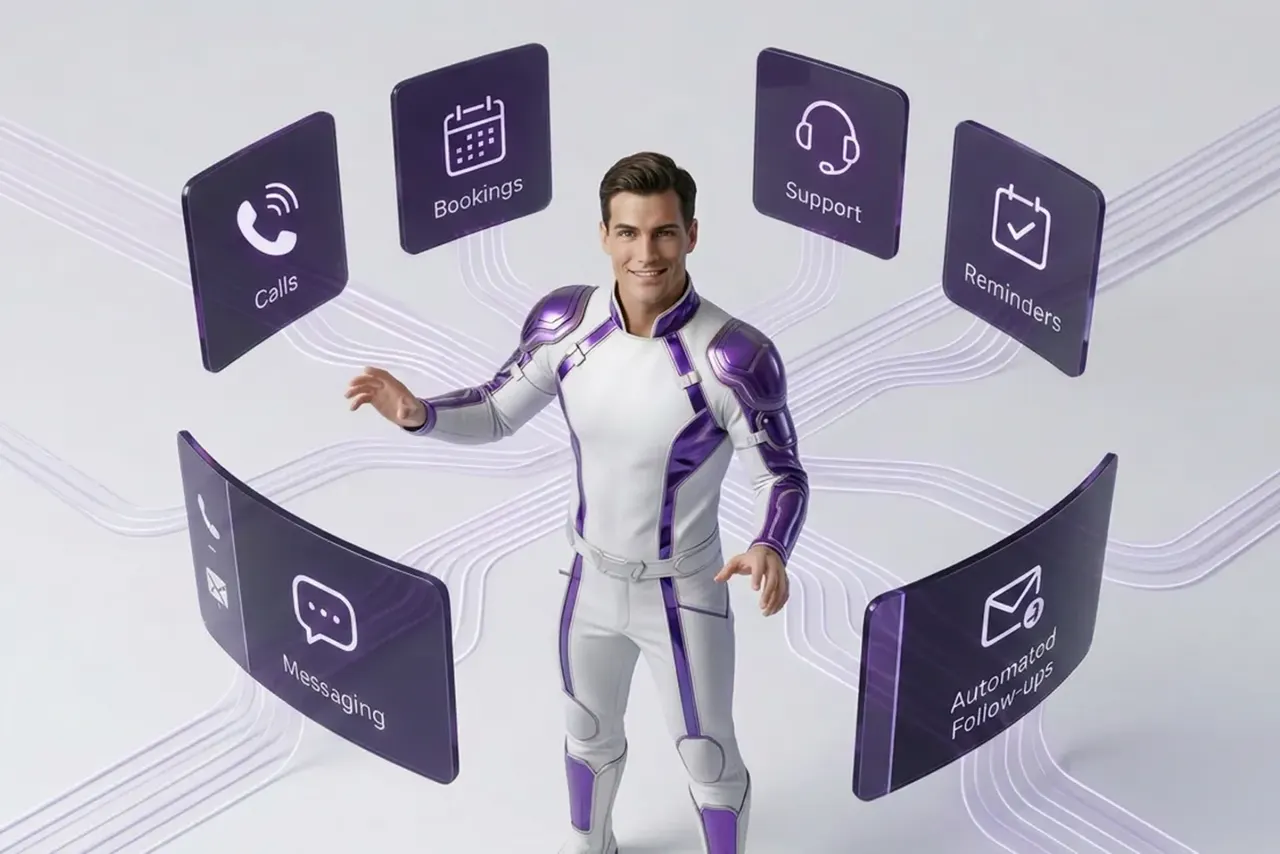
AI can aid the analysis in the following areas:
The journey to discovering, browsing, considering, purchasing then back to considering, purchasing and loyalty, to re-engagement.
Potential signals include:
- Purchase intent
- Drop-off signals
- Repeat-purchase opportunities
- Product interests
- Engagement changes
- Churn risk
- Customer lifecycle movement
While AI can be useful in finding patterns that might need to be addressed, customer behaviour is unpredictable.
Customer Churn & Retention Analytics
By using a model, signals of declining engagement can be identified.
Potential signals include:
- Reduced purchase frequency
- Reduced browsing
- Reduced engagement
- Returns
- Customer complaints
- Price sensitivity
- Reduced loyalty activity
- Product availability issues
- Changes in category preference
Workflow
The implementation of the Customer Segmentation module is designed to be flexible and adaptable, enabling organizations to select the specific features and functions that best suit their requirements.
Churn-risk score is not a conclusive indication of a customer's churn.
This is an approximation, based on a set of signals.
Merchandising Analytics
AI can assist with analysing:
- Assortment performance
- Product performance
- Category performance
- Product affinity
- Cross-selling relationships
- Cannibalization
- Regional performance
- Size performance
- Color performance
- Style performance
- Price bands
- Product lifecycle
- Markdown performance
- Inventory movement
AI's job is to offer valuable insights and suggestions.
The buyer/commercial merchant retains commercial responsibility.
Inventory Intelligence
Some applications of inventory that could be considered:
- Demand signals
- Inventory analysis
- Overstock identification
- Slow-moving inventory
- Stock-out risk
- Size-level demand
- Regional allocation
- Store-level demand
- Channel-level demand
- Replenishment recommendations
- Inventory prioritization
These systems can aid planners attention to products and locations that need to be reviewed.
They will not guarantee reduced inventory, reduced stock-outs, and increased margins.
Pricing & Promotion Analytics
AI can support:
- Price elasticity analysis
- Promotion response
- Markdown analysis
- Discount behavior
- Product-level pricing analysis
- Customer-segment pricing analysis
- Promotional performance
- Observing the competitor price of information when it exists and is legally accessible.
- Pricing scenario analysis
Prices should continue to be determined by commercial considerations, brand positioning, legal provisions and adequate controls.
The search and discovery of fashion products

Customers don't always use catalog-structured terms to search.
The AI search system can comprehend concepts like:
- Color
- Product type
- Price
- Occasion
- Season
- Style
- Context
It can then relate these requirements to the information regarding available products.
Potential capabilities include:
- Natural-language product search
- Semantic search
- Visual product discovery
- Attribute-based search
- Conversational shopping
- Product comparison
- Outfit discovery
- Similar-product search
- Search ranking
- Search-intent classification
Product availability, catalog quality, customer context, and business rules still need to be taken into consideration in the system.
Fashion AI Assistants
- Customer Shopping Assistant: Assists consumers in finding products, as well as comparing products, product information, and approved shopping content.
- Stylist Assistant: Helps with outfit pairing, style exploration, product matching and recommendations based on the user.
- Merchandising Assistant: Assists in interpreting product performance, Category Movement, Assortment information and some selected Merchandising information.
- Buyer Assistant: Supports product and category analysis, comparison, historical patterns and approved planning information.
- Trend Research Assistant: Summarises approved market, trend, product and research information.
- Customer Service Assistant: Assists in the answering of product, order, return, shipping and policy questions in accordance with accepted knowledge sources
- E-commerce Assistant: Enables product discovery, catalogs questions, provides product comparisons, and search assistance.
- Marketing Assistant: Facilitates customer-segment analysis, campaign ideas, product messaging and marketing research.
- Inventory Assistant: Assists with demand analysis, inventory risk identification and planning workflows.
Assistive software that analyzes the fashion market from an executive perspective.
Generates approved summaries and decision support information for leaders.
Generative AI & RAG for Fashion
Retrieval-Augmented Generation can link a generative AI system to approved organizational information and not just from the general knowledge of the model.
RAG Workflow
- Approved sources
- Role-based access
- Data protection
- Source freshness
- Retrieval quality
- Monitoring
- Human escalation
- Document ownership
- Content versioning
Potential sources include:
- Product catalogs
- Brand guidelines
- Product specifications
- Style guides
- Customer-service policies
- Return policies
- Internal merchandising documents
- Trend research
- Marketing documentation
- Supplier documentation as authorised.
- Question
- Access Check
- Knowledge Retrieval
- Relevant Sources
- Response
- Source Context
- Human Escalation
Practical fashion RAG system should take into consideration:
The assistant should not have access to all internal documents without having to seek permission.
Fashion Customer Service AI
AI can assist with:
- Product questions
- Size questions
- Fit questions
- Availability questions
- Order-status questions
- Return-policy questions
- Product comparisons
- Shipping questions
- FAQ automation
- Ticket classification
- Ticket routing
- Conversation summaries
- Agent assistance
Proper authentication and authorization should be employed in actions that involve sensitive account information, payments, refunds, order changes and other protected actions.
Computer Vision & Visual Fashion AI

Computer vision can aid:
- Product image classification
- Product attribute extraction
- Color detection
- Pattern classification
- Visual similarity
- Image tagging
- Catalog enrichment
- Visual search
- Quality-inspection support
- Duplicate image detection
- Product categorization
The results of visual AI should be assessed because image quality, lighting, cropping, background, product presentation, and training data can impact the results.
Intelligent Product Data Processing
There's a lack of quality information about products in fashion catalogs.
These are the areas where AI can help with processing:
- Product catalog enrichment
- Attribute extraction
- Product description structuring
- Category classification
- Material information processing
- Color classification
- Size normalization
- Metadata extraction
- Duplicate detection
- Catalog quality checks
The system should be able to differentiate between information explicitly contained in source data and information being inferred by a model.
Marketing & Content AI

Potential applications include:
- Product description assistance
- Campaign concept development
- Customer-segment messaging
- Email personalization
- Product storytelling
- Content variation
- Campaign analysis
- Social content assistance
- Merchandising copy
- Search content
- Product metadata
Where human oversight is still required, it should be made available for: Brand-sensitive content Regulated content Reputationally sensitive content Customer-facing content
Fashion Workflow Automation
ZechionAI adopts a practical workflow model:
- Capture, Extract, Classify, Analyze, Recommend, Review, Approve, Execute and Monitor.
- Product Catalog Workflow
Product Data is imported, and then moved to Extraction, Classification and Quality Review before being updated in the Catalog.
- Customer Support Workflow: Customer Question, Intent Classification, Knowledge Retrieval, Response, and Escalation.
- Trend Workflow: Market Signals → Analysis → Trend Identification → Forecast → Buyer Review
- Merchandising Workflow: The first step is Sales Data, then Product Analysis, followed by Performance Signals, and then a Recommendation, and ultimately the Merchandiser Review.
- Inventory Workflow: Demand Analysis: Analyze inventory data, detect risk factors, and allocate recommendation; Planner Approval: Take action based on the recommendations.
Do not automate away approvals driven by customer protection considerations, financial controls, brand standards or business risk.
Data & System Integration
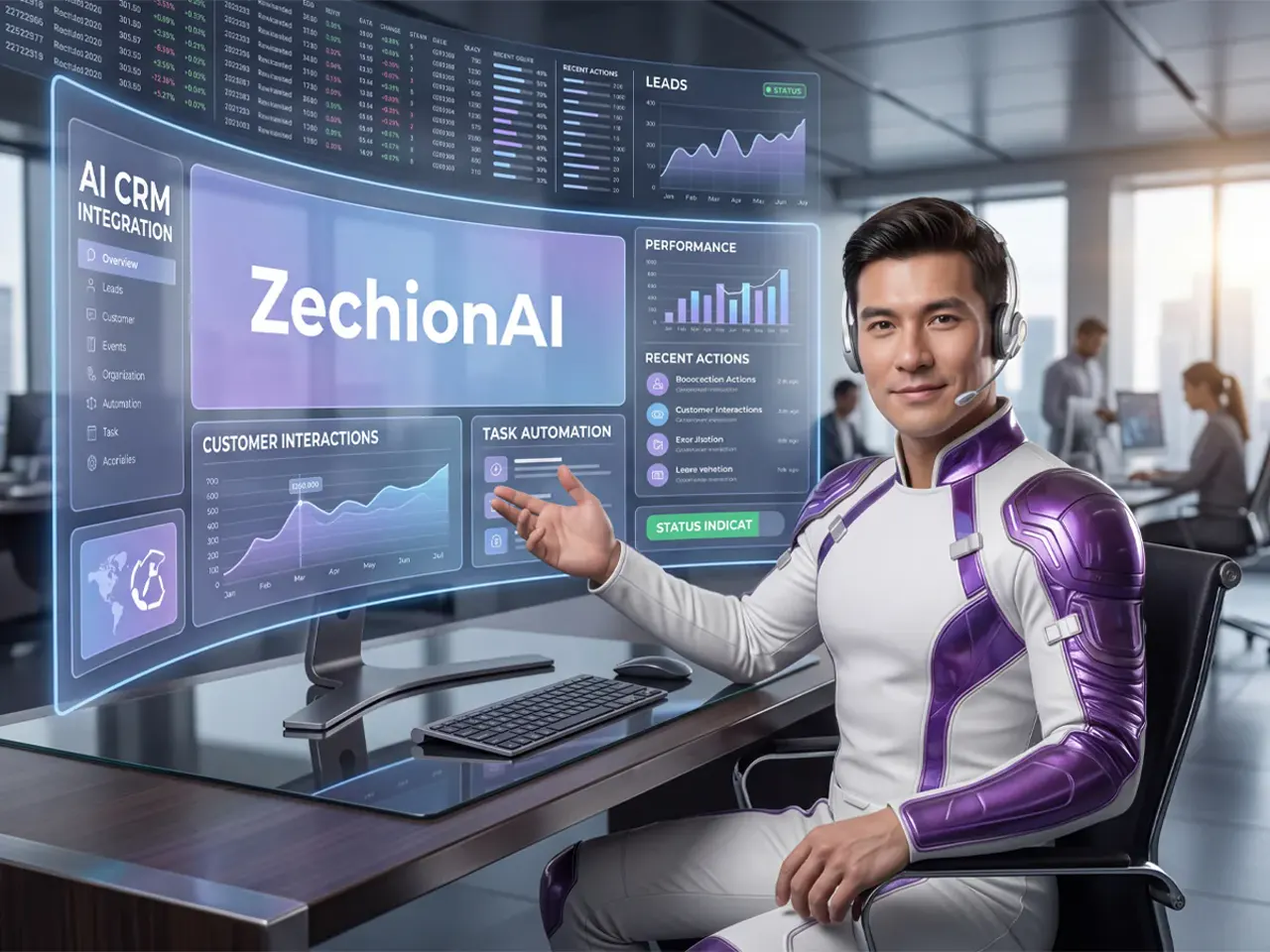
ZechionAI can create integrations for current technology landscapes, taking into account the available APIs, data formats, access permissions, authentication methods, and security protocols.
Potential environments include:
- E-commerce platforms
- POS systems
- ERP
- CRM
- CDP
- PIM
- OMS
- WMS
- Inventory systems
- Product catalog systems
- Loyalty platforms
- Marketing platforms
- Customer-service platforms
- Data warehouses
- Data lakes
- BI platforms
- APIs
- Cloud environments
- Legacy systems
The level of integration will rely on the systems, APIs, data models, authentication mechanisms and security protocols already in place.
ZechionAI does not presume the same architecture for every fashion company.
Predictive Analytics for Fashion
Applications that might predict:
- Demand forecasting
- Trend forecasting
- Customer churn-risk analysis
- Product demand modeling
- Customer lifetime-value modeling
- Inventory risk
- Promotional response
- Customer engagement
- Return behavior
- Category performance
- Regional demand
- Product lifecycle analysis
Predictions are educated guesses based on the available data.
As data and business conditions evolve, models need to be tested, monitored and updated.
AI Security & Privacy
Fashion AI systems can handle commercially sensitive information along with, depending on the application, customer information.
Security factors can be:
Responsible AI for Fashion
Fashion personalisation and customer analytics can drive value in the business, but also pose risks.
Examples of responsible AI practices are:
- Human oversight
- Data-quality evaluation
- Model evaluation
- Bias assessment
- Explainability where appropriate
- Documentation
- Monitoring
- Access controls
- Privacy controls
- Customers' transparency, if applicable.
- Change management
- Auditability
- Model-drift monitoring
- Appropriate use-case selection
May need special attention in the following areas:
- Customer profiling
- Personalized pricing
- Sensitive attributes
- Recommendation bias
- Customer exclusion
- Automated decisions
- Incorrect recommendations
- Unequal customer experiences
The ZechionAI Fashion AI Lifecycle
- 01
Discover
Define business issues where AI could offer value in making decisions or automating tasks.
- 02
Strategize
Consider business value, feasibility, availability of data, risk and organizational readiness when determining prioritization of use cases.
- 03
Design
Outline the AI workflow, data architecture, model, user experience, security controls, and human review points.
- 04
Build
Create the necessary models, applications, assistants, data pipelines, recommendation systems or automation workflows.
- 05
Integrate
Integrate the solution to relevant commerce, customer, product, inventory, analytics and operational systems.
- 06
Deploy
Make the solution available in a graduated implementation process.
- 07
Automate
Automate approved repetitive processes with still required review/
authorization. - 08
Monitor
Monitor model usage, system performance, data quality, system usage, errors and system results.
- 09
Secure
Continue access control, data protection, integration security, logging and other appropriate safeguards.
- 10
Govern
Record responsibilities, controls, evaluation program, changes in the model, and requirements for appropriate use.
- 11
Optimize
Refine models, workflows, interfaces, retrieval, recommendations and data pipeline based on evidence.
- 12
Scale
Extend successful skills to other products, channels, teams, markets or workflows, as applicable.
AI Services for the Fashion & Apparel Industry
AI Strategy & Consulting
- Fashion AI Opportunity Assessment
- AI Readiness Assessment
- AI Strategy Development
- AI Roadmap Development
- Fashion Use-Case Prioritization
- Developing AI Business Cases.
- AI Architecture Planning
- Customer Data Strategy
- AI Adoption Planning
- AI Operating Model Design
- AI Governance Planning
- AI Vendor Evaluation
- AI Pilot Planning
- AI Portfolio Management
- AI Implementation Advisory
Recommendation Systems
- Product Recommendation Engines
- Personalized Product Ranking
- Outfit Recommendation Systems
- Complete-the-Look Recommendations
- Similar-Product Recommendations
- Alternative-Product Recommendations
- Cross-Category Recommendations
- Personalized Collection Recommendations
- Personalized Homepage Ranking
- Style Matching Systems
Customer Intelligence
- Customer Behavior Analysis
- Customer Segmentation
- Customer Preference Modeling
- Customer Lifecycle Analytics
- Customer Affinity Analysis
- Customer Churn-Risk Modeling
- Customer Engagement Analysis
- Purchase-Intent Modeling
- Customer Journey Analytics
- Customer Lifetime-Value Modeling
Trend & Demand Forecasting
- Fashion Trend Forecasting
- Emerging-Demand Signal Detection
- Category Demand Forecasting
- SKU Demand Forecasting
- Regional Demand Forecasting
- Seasonal Forecasting
- Channel Demand Forecasting
- New-Product Demand Forecasting
- Product Lifecycle Forecasting
- Demand Anomaly Detection
Merchandising Analytics
- Assortment Analytics
- Product Performance Analytics
- Category Performance Analytics
- Product Affinity Analysis
- Cannibalization Analysis
- Color Performance Analysis
- Size Performance Analysis
- Style Performance Analysis
- Price-Band Analysis
- Markdown Analytics
Inventory Intelligence
- Inventory Risk Detection
- Overstock Analysis
- Slow-Moving Inventory Analysis
- Stock-Out Risk Detection
- Size-Level Demand Analysis
- Regional Inventory Analysis
- Store-Level Demand Analysis
- Channel Inventory Analysis
- Replenishment Recommendations
- Inventory Prioritization
Pricing & Promotion
- Price Elasticity Analysis
- Promotional Response Modeling
- Markdown Scenario Analysis
- Discount Behavior Analysis
- Product-Level Pricing Analytics
- Customer-Segment Pricing Analytics
- Promotional Performance Analytics
- Pricing Scenario Modeling
Search & Product Discovery
- Natural-Language Product Search
- Semantic Product Search
- Search Intent Classification
- AI Search Ranking
- Conversational Product Discovery
- Visual Product Search
- Product Comparison Assistance
- Outfit Discovery
- Similar-Style Search
Computer Vision & Product Data
- Product Image Classification
- Product Attribute Extraction
- Color Detection
- Pattern Classification
- Visual Similarity Analysis
- Image Tagging
- Catalog Enrichment
- Duplicate Image Detection
- Product Categorization
- Catalog Quality Analysis
Generative AI & RAG
- Fashion Knowledge Assistants
- Product Catalog RAG
- Brand Knowledge RAG
- Merchandising Knowledge Assistants
- Trend Research Assistants
- Customer-Service Knowledge Assistants
- Internal Fashion Research Assistants
- Product Information Assistants
AI Assistants & Automation
- Shopping Assistants
- Stylist Assistants
- Buyer Assistants
- Merchandising Assistants
- Inventory Assistants
- Customer-Service Assistants
- Marketing Assistants
- Executive Analytics Assistants
- Customer-Service Workflow Automation
- Product-Catalog Workflow Automation
AI Engineering, Security & Operations
- Fashion AI Data Integration
- Machine-Learning Development
- Predictive Analytics Development
- AI Model Evaluation
- AI Model Monitoring
- Recommendation-System Evaluation
- AI Security Architecture
- AI Access-Control Design
- AI Governance Implementation
Continuous AI Development & Optimization.
Why use AI for Fashion Outsourcing?
Outsourcing does not necessarily equate to an all-or-nothing proposition in terms of replacing your internal technology organization.
Where an organisation doesn't want to develop all the skills itself, it can utilise a specialised AI partner to augment its capabilities.
Potential reasons include:
- 01
Specialized AI Expertise
Specialists who can supply recommendations to you, machine learning, generative AI, RAG, computer vision, predictive analytics and automation.
- 02
Faster Use-Case Evaluation
Pre-investment screening of the technical and commercial viability of a proposed AI idea can be done by an external party.
- 03
Additional Technical Capacity
An external team can work on specific AI projects while internal technologists can concentrate on the core platforms.
- 04
Recommendation-System Expertise
A language model is not enough for a recommendation system. These include product data, product behavior, ranking, evaluation, availability, business rules and feedback.
- 05
Machine-Learning Expertise
External experts are available for support in model development, testing, evaluation, monitoring and optimization.
- 06
Data Integration Experience
Success with AI projects is often dependent on linking data across systems.
- 07
AI Architecture Support
A partner can be involved in defining interactions between models, applications, databases, APIs, retrieval systems and business workflows.
- 08
RAG Implementation
While organizations can feed AI assistants with their knowledge, there's a need to ensure they only use approved internal information sources.
- 09
Workflow Automation
These repetitive processes can be mapped to structured workflows, with review and approval stages.
- 10
Security & Governance Support
Access control, data handling, logging, monitoring, and governance can be considered in the design of AI initiatives.
- 11
Model Evaluation & Monitoring
Data, products, customers and market conditions are constantly evolving, so must be the AI systems.
- 12
Flexible Project Capacity
An AI team can be engaged for an assessment, pilot, development project, integration or for an ongoing program.
- 13
Internal Team Support
ZechionAI can complement internal technology, data, merchandising, e-commerce, and business teams.
- 14
Early internal expansion is to be avoided
To prevent the formation of a large permanent AI organization, organizations can test meaningful AI use cases first.
- 15
Long-Term Capability Development
Successful pilots can be expanded to become larger AI programs when it's appropriate based on the business, data, and technology.
It is not always cheaper to outsource than to invest in something in-house. The type of model used will vary according to the organizations skills, priorities, systems, budget, risk needs and future plans.
Why is ZechionAI a good partner to run your business?

- One AI Partner: ZechionAI can be used to assist with strategy, development, integration, automation, analytics, assistants, RAG, security, governance, and continuous optimization.
- Fashion-Specific Use Cases: It is more about real-life fashion workflows than a few AI demonstrations.
- Human-in-the-Loop: Where business judgment applies, buyers, merchandisers, stylists, planners, customer-service and executives continue to be engaged.
- Practical Implementation: Initiate with a relevant use case, and add to it if it is supported by evidence.
- Existing-System Integration: Solutions are developed based on the current commerce, customer, product, inventory and/or business environment.
- Data-Aware Architecture: Three key factors in the quality of AI are data quality, data structure, data availability, data permissions and data governance.
- Security-Conscious Development: Architecture and implementation are secured with regard to access and security.
- Flexible Engagement: This support can range from evaluations, pilots, project development, automation, integration, and continuous AI programs.
Partnership Models
- 01
AI Opportunity Assessment
Best for organisations that understand that AI could be useful, but just haven't figured out their use cases.
Common focuses: data, workflows, opportunities, feasibility, risk, priorities.
- 02
AI Strategy Partnership
Ideal for companies that are developing a more comprehensive AI strategy.
Common focus areas include: Strategy, Governance, Architecture, Prioritization, Operating Model and Roadmap.
- 03
Project-Based AI Development
Ideal for an AI use case or model.
The normal focus: requirements, architecture, development, integration, testing, deployment.
- 04
Recommendation Engine Partnership
Ideal for personalisation and product discovery fashion businesses.
Common focus areas: customer signals, product data, ranking, product recommendation, evaluation, feedback.
- 05
Fashion Analytics Partnership
Recommended for organizations that require increased visibility into customers, products, merchandising, demands or inventory.
- 06
AI Automation Partnership
Ideal for organizations that have repetitive tasks across product data, customer service, reporting, research or operations.
- 07
Ongoing Enterprise AI Partnership
Ideal for organizations seeking ongoing AI evolution, oversight, improvement, incorporation, management, and assistance.
Who ZechionAI Serves
ZechionAI can assist various organisations including:
- Fashion brands
- Apparel brands
- Luxury brands
- Fashion retailers
- E-commerce fashion companies
- Online marketplaces
- Footwear brands
- Accessories brands
- Jewelry businesses
- Sportswear companies
- Activewear brands
- Streetwear brands
- Children's apparel companies
- Direct-to-consumer brands
- Fashion manufacturers
- Wholesalers
- Distributors
- Fashion marketplaces
- Resale platforms
- Fashion technology companies
These categories are not a list of organizations ZechionAI serves, but rather a description of the types of organizations.
25 AI use cases in Fashion
Personalized Product Recommendations
Problem in business: In a large catalog, it may be difficult for customers to locate the products they are interested in.
The AI method involves studying allowed product and behaviour indicators to prioritize products for each individual customer.
- Data needed: Product Catalog, Browsing, Purchases, Preferences, Availability, and Contextual Signals.
- Human role: Merchandising teams set business rules and review recommendation behavior.
- Potential operational benefit: Improved product discovery and navigation for customers.
- A critical factor: The quality of the recommendations depends on the data, the catalog structure, the model design and adequate signals from customers.
Outfit Recommendations
- Business problem: They might want to purchase individual products but they need assistance to put together a set.
- AI approach: Create models of product and attribute relationships, product styles and occasions, customer preferences and relationships.
- The data needed: Product attributes, product relationships, historical behavior, and merchandising rules.
- Human role: Stylists and merchandisers can establish the acceptable combinations.
- Potential downfall: Easier findability/
accessibility across categories. - Important point: Style match is a relative concept and is not one-size-fits-all.
Complete-the-Look Recommendations
Match a chosen product with other products like shoes, accessories, coats, other clothing etc.
Potential value: Improved cross category discovery.
Availability is important, size should be taken into account as well as color compatibility and brand rules.
Style Matching
AI can analyze the characteristics of products and consumer preferences to find products that share similar stylistic features.
Human role: Fashion teams confirm whether model's interpretation is in line with the brand.
Fashion Trend Forecasting
Compare signals from history and current signals for patterns that can signify emerging demand.
- Data: Sales, searches, product characteristics, market signals, reviews, seasonal trends.
- Human role: Buyers and trend teams understand and interpret the forecast.
- Point to consider: A forecast is an estimation and not a promise.
Demand Forecasting
Forecast future demand on a SKU, category, region, channel or season level.
- Potential value: Increased visibility of planning.
- Information to be noted: Results may be materially influenced by external events and changes in the market.
Customer Segmentation
Classify customers by allowed behavioral and commercial signals.
- Potential value: More useful customer analysis, campaign planning.
- Important point to keep in mind: Segments should be assessed in regards to fairness, privacy, and relevance to business.
Customer Churn-Risk Analysis
Look for patterns that reflect decreases in engagement.
Potential value: Help teams prioritize customers for review or appropriate engagement strategies.
A key consideration is that a risk score does not indicate that a customer is going to churn.
Product Discovery
Understand customer needs and search for appropriate catalogue items.
- The potential value: Automation of product searching.
- The main concern: Quality of product metadata is very important.
Semantic Product Search
Enable customers to search for concepts and not exact catalog terms.
Example:
Sneakers that are "lightweight neutral" for everyday trips.
The system can relate ideas of style, color, use, and type of product to organized product information.
Visual Search
Let customers look for items that are similar to a picture.
- Possible value: Other product discovery.
- Important: Results rely on the image quality and performance of the visual model.
Product Attribute Extraction
Identify or manipulate features of established product information.
- Potential value: Enhancing consistency in catalogs.
- Consideration: Information obtained is subject to validation before it is authoritative catalog information.
Catalog Enrichment
AI can help with classification, adding metadata, descriptions, attributes and quality checks.
Human role: Product teams confirm of important and sensitive product information.
Merchandising Analytics
Breakdown product, category, size, color, style, regional, channel performance.
Potential value: To assist merchandisers in identifying significant patterns.
Inventory Risk Detection
Determine products or places where there is a possibility of overstocking or stocking out.
- Possible value: Inventory review (prioritized).
- Important note: Risk indicators are based on demand assumptions and inventory information.
Size-Demand Forecasting
Make estimates at the size level.
- Potential value: Improved knowledge of size distribution.
- Important point: Past information may not adequately reflect the future actions of customers.
Regional Demand Forecasting
Recognize the change in demand for products or product categories in various regions.
Potential for value: Support allocation and planning.
Pricing Analytics
Examine how customer behaviour, product attributes and product price are related to sales.
- Potential value: Better pricing analysis.
- Of note: The price should take into account commercial and legal factors.
Markdown Analytics
Review past mark down activities and product performance to inform scenario analysis.
Benefits: Improved understanding of markdown decisions.
The important thing to note is that analytics should be used to inform, but not rule, markdown decisions.
Customer Service Automation
Be able to categorise questions, seek approved information, formulate answers, pass on tickets and summarise discussions.
- Potential Value: Minimizing repetitive support work.
- Key consideration: Account-specific actions need appropriate authentication and authorization.
Stylist Assistant
Share information, combinations, customer preferences, and approved information on brands with stylists.
Potential benefits: Save Research time and make Product information available.
Buyer Assistant
Guide buyers to analyze categories, product performance, historical demand and approved market information.
Potential value: Quicker access to the relevant analysis.
Trend Research Assistant
Collect and summarise accepted trend and market data.
- Potential value: Time saving for information collection.
- Key consideration: Sources need to be controlled and evaluated.
Marketing Personalization
Provide relevant product and campaign content with the help of customer segments and behavioral signals.
- Potential value: increased marketing workflows that are more targeted.
- Attention: Data governance is crucial when it comes to personalization.
Product Content Assistance
Help with product descriptions, metadata, attributes, structured content and content variations.
- Potential savings: Minimize repetitive catalog-content tasks.
- Consideration: Human review will continue to be necessary for the accuracy of a brand and product claims.
Detailed Fashion AI Workflows
- 01
Style Recommendation
- Customer Data
- Product Data
- Preference Modeling
- Recommendation
- Ranking
- Business Rules
- Customer Experience
- Feedback
The system can continuously evaluate which recommendation approaches produce useful customer interactions.
- 02
Trend Forecasting
- Market Data
- Signal Detection
- Pattern Analysis
- Forecast
- Confidence Review
- Human Interpretation
- Merchandising Decision
The final decision remains with the appropriate fashion professional.
- 03
Demand Forecasting
- Historical Demand
- External Signals
- Model
- Forecast
- Planner Review
- Inventory Decision
Forecasts should be reviewed against current market conditions.
- 04
Product Discovery
- Customer Query
- Intent Understanding
- Product Retrieval
- Ranking
- Recommendation
- Customer Selection
The system should use structured product information and appropriate availability rules.
- 05
Customer Retention
- Behavior Data
- Risk Signals
- Risk Score
- Segment
- Human Review
- Retention Action
- Measurement
The risk score should not automatically trigger inappropriate customer treatment.
- 06
Product Catalog
- Product Data
- Extraction
- Classification
- Validation
- Enrichment
- Catalog Publication
AI-generated catalog information should be validated before becoming authoritative.
- 07
Customer Support
- Customer Question
- Classification
- Knowledge Retrieval
- Response
- Escalation
- Case Documentation
Sensitive account operations should require appropriate controls.
- 08
Inventory
- Inventory Data
- Demand Signals
- Risk Detection
- Recommendation
- Planner Approval
- Action
AI can prioritize attention; planners retain decision authority.
What ZechionAI Does Not Promise
ZechionAI does not promise:
- Perfect style recommendations
- Guaranteed trend predictions
- Guaranteed sales increases
- Guaranteed conversion increases
- Guaranteed customer retention
- Guaranteed revenue growth
- Zero inventory problems
- Perfect demand forecasts
- Zero returns
- Zero stock-outs
- Zero overstock
- 100% recommendation accuracy
- Zero false positives
- Bias-free AI
- Fully autonomous fashion decisions
- Replacement of designers
- Replacement of buyers
- Replacement of merchandisers
- Guaranteed regulatory compliance
- Zero-risk AI
- Perfect customer profiling
- Perfect personalization
- Guaranteed business outcomes
Results depend on:
- Data quality
- Business rules
- Model selection
- Implementation quality
- Customer behavior
- Market conditions
- Product availability
- Human decisions
- Organizational adoption
The purpose of AI is to provide useful analysis, recommendations, predictions, automation, and decision support—not to create unrealistic certainty.
AI services for Fashion & Apparel
- Predictive AnalyticsTurn Historical and Real-Time Data Into Better Business Decisions
- AI Strategy & AdvisoryPractical AI Strategy for Scalable Business Transformation
- RAG SystemsYour organisation has knowledge that is valuable. It can appear in documents, databases, policies, contracts, websites, technical manuals, CRM, research files and internal applications.
- Recommendation EnginesAI Powered Recommendation Engine Services for more relevant customer experiences.
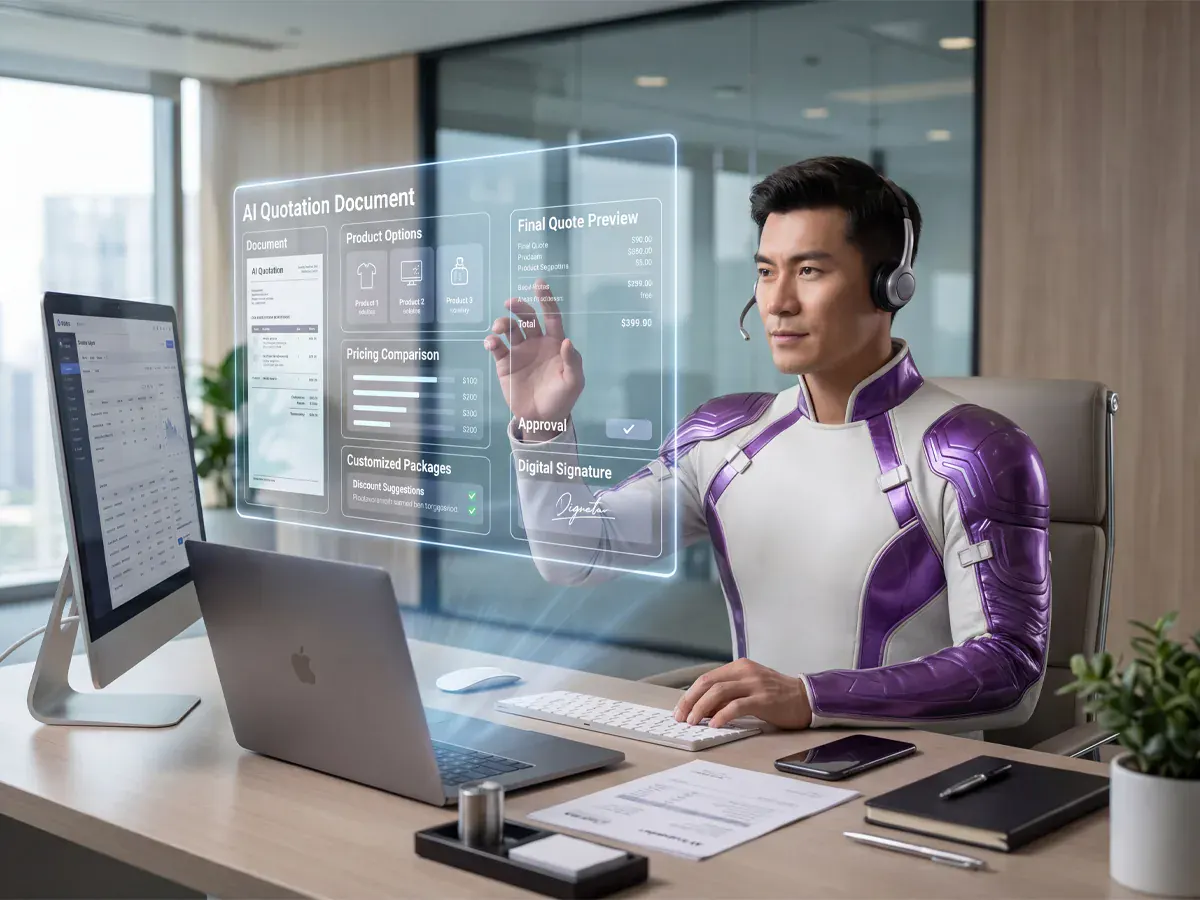 Intelligent AutomationAutomate Repetitive Work. Connect Your Systems. Improve How Your Business Operates.
- Generative AIGenerative AI can give employees quicker access to institutional knowledge and enable tasks that are information-rich to be automated.
 AI Security, Governance & ComplianceSecure AI. Govern AI. Deploy AI Responsibly.
- Computer VisionTurn Visual Data Into Actionable Intelligence
AI for fashion and apparel refers to the use of machine learning, recommendation systems, predictive analytics, generative AI, computer vision, and automation to analyze customer, product, market, and operational information.
Applications can include product recommendations, trend analysis, demand forecasting, product discovery, merchandising analytics, customer service, and workflow automation.
AI can help analyze large datasets, identify patterns, personalize product discovery, support forecasting, segment customers, process product information, assist employees, and automate selected workflows.
The appropriate application depends on the organization's data, systems, business objectives, and risk requirements.
Potential users include fashion brands, apparel companies, retailers, e-commerce businesses, luxury brands, footwear companies, accessories companies, manufacturers, wholesalers, distributors, marketplaces, resale platforms, and fashion technology organizations.
No. AI can assist with research, product analysis, trend signals, customer insights, and selected creative workflows, but fashion design involves human creativity, brand interpretation, cultural understanding, materials, construction, aesthetics, and commercial judgment.
AI can support buyers and merchandisers with analysis, forecasts, recommendations, and reporting. It should not automatically replace their commercial judgment.
Start with a defined business problem. Evaluate available data, systems, feasibility, risk, expected operational value, and human workflow. A controlled pilot can then be developed before broader implementation.
A recommendation engine analyzes relationships between customers, products, behavior, preferences, context, and business rules to rank products that may be relevant to a particular shopper.
The system can combine signals such as browsing behavior, purchases, product attributes, customer preferences, session context, availability, and other permitted information to generate and rank recommendations.
Yes. A recommendation system can model relationships among apparel, footwear, accessories, colors, styles, occasions, and other product attributes.
Yes. Depending on available data and permissions, recommendations can incorporate preferences involving style, color, category, price range, size, and historical behavior.
Yes. Browsing behavior can be used as one signal for determining product interest, subject to appropriate privacy and data-use controls.
Yes, where the organization has appropriate authorization and data-use permissions. Purchase history can help identify category affinity, preferences, frequency, and product relationships.
Yes. Price range can be included as a recommendation signal or business rule.
Yes. Availability can be incorporated so that unavailable or ineligible products are excluded or deprioritized.
Yes. AI can interpret search intent and personalize ranking using approved customer and product signals.
AI analyzes historical and current signals such as product sales, search behavior, category movement, product attributes, seasonal patterns, and other approved data to identify patterns that may indicate emerging demand.
Potential inputs include sales history, product attributes, search behavior, customer behavior, seasonal data, market signals, reviews, and other relevant information.
AI can identify patterns and produce forecasts, but it cannot guarantee which trend will become commercially successful.
Accuracy depends on data quality, forecast horizon, market stability, model design, product category, and external conditions. Forecasts should therefore include appropriate evaluation and uncertainty analysis.
Yes. Models can look for changes in search activity, sales, engagement, product attributes, and other signals that may indicate increasing interest.
Yes. Regional data can be incorporated when sufficient and appropriate data is available.
Yes. Historical seasonal patterns and current signals can be used to support planning for collections, inventory, demand, and product categories.
Yes. Customer segmentation can use behavioral, transactional, engagement, category, geographic, and lifecycle signals where appropriate.
AI can help identify groups associated with selected commercial characteristics such as purchase frequency, spending, category affinity, or engagement.
Yes. Models can identify behavioral patterns associated with declining engagement. The result should be treated as a risk indicator, not certainty.
Yes. Customer preferences can be inferred from appropriate behavioral and transactional signals, subject to privacy and data governance requirements.
Yes. AI can assist with segmentation, product matching, campaign content, and customer-specific recommendations.
Yes. AI can help buyers analyze product performance, historical demand, category movement, market signals, and other approved information.
Yes. AI can provide analysis of category, product, size, color, regional, and channel patterns.
Yes. Product performance can be evaluated across sales, demand, returns, engagement, inventory, geography, channel, and other available metrics.
Yes. Forecasting models can estimate future demand at different levels, including SKU, category, region, channel, and season.
Yes. Models and analytics can identify products exhibiting selected slow-movement characteristics.
Yes. Demand forecasts and regional or channel-level signals can be used to provide allocation recommendations.
Yes. AI can analyze product performance, inventory, historical markdown behavior, demand signals, and pricing scenarios.
Generative AI & Assistants
Yes. A shopping assistant can be designed around approved product information, catalog data, customer context, availability, policies, and defined business rules.
Yes. An AI assistant can retrieve approved product information and provide answers within the boundaries of its knowledge sources.
Yes. A stylist assistant can support product discovery, outfit combinations, customer preferences, product comparisons, and approved brand information.
RAG, or Retrieval-Augmented Generation, connects a generative AI system with approved information sources so that responses can be grounded in relevant organizational content.
Yes, if the catalog can be securely accessed and the architecture supports the required data format, permissions, retrieval, and update processes.
They can be designed to retrieve authorized documents. Access should be controlled by role, permissions, source policies, and security requirements.
Potentially. Integration depends on the organization's systems, APIs, authentication model, data structures, permissions, and security requirements.
Potentially, provided the platform exposes suitable APIs, data access, integration mechanisms, or other supported methods.
Yes, subject to available integration capabilities, permissions, data structure, and security requirements.
Yes. Product catalog data is often a central component of recommendation, search, product discovery, catalog enrichment, and customer-service applications.
Fragmented data is common. The first step may be data assessment and integration planning. ZechionAI can help identify where data resides, how it can be accessed, how it should be structured, and what information is actually required for the selected use case.
Protection depends on the actual architecture and implementation. Appropriate controls can include authentication, authorization, role-based access, data minimization, encryption where appropriate, logging, monitoring, retention controls, and secure integrations.
Yes. Role-based access can restrict users and AI applications to the information and functions appropriate to their responsibilities.
Monitoring can include data-quality checks, model-performance evaluation, output review, usage monitoring, error tracking, drift detection, system logs, and other controls appropriate to the application.
Recommendation systems should be evaluated for unintended patterns, exclusion, unequal outcomes, data imbalance, and business-rule effects. Appropriate human review and model evaluation should be incorporated.
Human oversight can be placed at defined points such as recommendation-rule approval, forecast review, product-content validation, high-risk decisions, customer-service escalation, and model-governance review.
Outsourcing can provide specialized AI expertise, additional development capacity, architecture support, data integration capability, and flexible project resources without requiring the organization to build every capability internally.
ZechionAI combines AI strategy, development, recommendation systems, analytics, generative AI, RAG, automation, integration, security, governance, and ongoing AI services around practical business use cases.
Yes. ZechionAI can operate as an extension of an organization's technology, data, e-commerce, merchandising, or digital team rather than assuming those teams should be replaced.
Yes. Starting with one well-defined use case can help an organization evaluate data readiness, technical feasibility, user adoption, operational value, and governance requirements before expanding.
There is no single timeline. Duration depends on scope, data readiness, integrations, security requirements, model complexity, testing, user experience, and deployment requirements.
Yes. Ongoing services can include model evaluation, optimization, new features, integrations, workflow improvements, monitoring, governance support, and additional AI applications.
Yes. A successful initial implementation can provide technical and operational foundations for additional use cases, provided the data, architecture, governance, and business case support expansion.
Build Better Fashion Decisions With AI
Start with one meaningful use case—recommendations, trend forecasting, customer intelligence, merchandising analytics, product discovery, or workflow automation—and expand as your data, teams, and business requirements evolve.
Talk to Zech, live