
AI Solutions for Fitness & Gyms
Personalized Workouts. Smarter Member Engagement. Better Retention Intelligence.
Talk to Zech, live

Small and medium sized businesses are already gathering priceless information that ranges from membership, attendance, class bookings, workout activity, lead queries, sales, and communications to customer interaction.

AI that fits the business model of fitness startups
The real challenge lies with ensuring that information serves a decision and is usable in a workflow.
By connecting gym data, crafting the appropriate kind of AI product, removing repetitive duties, and enhancing access to member data and insights for fitness staff, ZechionAI empowers gyms and fitness organizations to tackle these challenges and strengthen their retention efforts.
From modeling AI to suit your organization and creating personalized workout plans and membership AI assistants, to churn prediction, class demand forecasting, lead qualification, member analytics and workflow automation, ZechionAI takes a contextual approach to building AI around your processes.
AI should not be used as a substitute for trainers, coaches, fitness instructors, front desk clerks, salespeople, managers or human decision-making. It's helpful for teams to collect data, identify trends in that data, automate repetitive actions, and make decisions based on that information.
AI is not necessary for a gym just because it's available.
The beneficial question is:
What operational, member-experience, analytics or workflow issue can be measured and addressed by AI?
ZechionAI collaborates with fitness companies to find actionable opportunities and solutions in their current systems, data, processes, roles, and needs.
One can start a project with one use case, for instance:
- A membership chatbot
- Personalized class recommendations
- Workout-plan assistance
- Churn-risk analysis
- Lead scoring
- Member segmentation
- Attendance forecasting
- Class demand analysis
- Customer-service automation
- Executive reporting
As requirements and data maturity develop, additional capabilities can be added.
Who We Serve
ZechionAI can be applied to various fitness and membership-based businesses such as:
- Independent gyms
- Fitness centers
- Health clubs
- Boutique fitness studios
- Personal training businesses
- Yoga/Pilates studios
- Strength and conditioning facilities
- Cross-training facilities
- Sports performance facilities
- Corporate fitness providers
- Multi-location fitness operators
- Fitness franchises
- Wellness centers
- Membership-based fitness businesses
- Fitness technology companies
- Digital fitness platforms
- Connected fitness businesses
- Gym management platforms
- Fitness equipment companies
Not all AI capabilities are necessary for all organizations.
For smaller studios, an AI membership assistant and follow-up workflow can be beneficial. For a multi-location operator, there may be a need for member analytics, churn prediction, forecasting, integration with multiple systems in a centralized location.
ZechionAI can be useful to help you identify a suitable starting point based on your objectives, data, systems, and readiness for operation.
Fitness & Gyms services
11 services
Where Fitness Businesses Can Apply AI
Member Experience
- Personalized member experiences
- Class recommendations
- Workout recommendations
- Quick responses to common queries
- Communication personalization
- Member journey analysis
- Trainer matching
- Program recommendations
- Re-engagement workflows
Often fitness businesses have lots of member information, and not enough time to interpret.
AI can be used to categorize and assist with relevant information:
The goal isn't to automate all interactions. It is to enable teams to give more relevant support where possible through automation.
Member Retention
Retention teams should be aware of the member behaviours that could require attention.
AI can use approved business data to determine patterns like:
- Reduced attendance
- Missed classes
- Declining app activity
- Reduced booking activity
- The personal training participation has changed.
- Membership changes
- Engagement declines
- Previous cancellation patterns
- Customer-service activity
- Survey or feedback changes
These signals may be included in a retention risk estimation.
What this means is not that a member will certainly cancel, but that the result might be a member cancelling.
It represents an analytical signal that may guide staff's decisions for human follow-up.
Workout Personalization
Members have varying objectives, tastes, experience, time availability, equipment availability, and level of involvement in the program.
AI can help with structured exercise recommendations with validated data like:
- Stated goals
- Fitness preferences
- Experience level
- Available equipment
- Workout frequency
- Preferred workout duration
- Exercise preferences
- Training history
- Previous workout activity
- Member feedback
- Program adherence
Where possible, AI recommendations should be run under specific safety and business rules and the specific expertise of relevant professionals should be utilised for review.
These are fitness recommendations and not medical advice.
Sales & Lead Management
Websites, forms, advertising, referrals, social media, phone calls, and more are all common channels for generating leads for fitness businesses.
AI can help teams:
- Classify inquiries
- Score leads
- Identify qualification signals
- Prioritize follow-up
- Summarize conversations
- Identify lead sources
- Analyze conversion patterns
- Recommend follow-up actions
- Identify lost-lead patterns
- Support trial-member follow-up
Where appropriate, human staff can continue to be responsible for consequential sales decisions and outbound communications.
Operations
AI can be used to assist in operational analysis of:
- Class utilization
- Attendance
- Schedule demand
- Capacity
- Equipment utilization
- Staff scheduling support
- Membership administration
- Location-level trends
- Operational reporting
- Anomaly detection
The recommendations provided by the AI should be presented to managers instead of automated business operations, unless there is a clear business process designed, authorised, and controlled.
Marketing
AI can assist fitness companies in leveraging their current marketing and engagement data to aid in:
- Audience segmentation
- Campaign personalization
- Content preparation
- Re-engagement campaigns
- Lead nurturing
- Campaign timing analysis
- Engagement analysis
- Membership promotion analysis
- Content recommendations
- Campaign performance summaries
While AI has been helpful in some areas of the campaign decision-making process, it should never be used as a replacement for marketing strategy, brand judgment, legal review, or understanding customers.
Member Data AI can work with

AI solutions can be integrated with information like:
Membership Information
- Membership type
- Signup date
- Renewal history
- Cancellation history
- Membership changes
- Trial participation
- Upgrades
- Downgrades
- Location
Engagement Information
- Attendance
- Check-in frequency
- Class bookings
- Class attendance
- Personal-training sessions
- App activity
- Website activity
- Email engagement
- SMS engagement
- Customer-service interactions
Fitness Program Information
- Workout-plan activity
- Workout preferences
- Stated fitness goals
- Equipment preferences
- Workout duration
- Exercise selections
- Training history
- Program engagement
- Member feedback
Commercial Information
- Purchase history
- Merchandise purchases
- Membership upgrades
- Membership downgrades
- Referral activity
- Lead information
Preference Information
- Preferred workout times
- Class preferences
- Location preferences
- Communication preferences
The question is not just about the ability to process data.
It is the permission to collect, use, retain and process that information for the intended purpose.
ZechionAI can assist companies to differentiate between:
- Information already available within their systems.
- The information they may gather.
- Appropriate notice, consent or disclosure information.
- Data that is not needed for an unnecessary purpose.
AI shouldn't be used to gather information that is sensitive just because it can be gathered by the technology.
Personalized Workout Planning
AI-Assisted Workout Recommendations
- Workout-plan generation
- Workout-plan recommendations
- Exercise sequencing
- Workout-duration recommendations
- Equipment-aware recommendations
- Goal-based program structures
- Entry, intermediate and advanced pathways
- Workout variation recommendations
- Program progression suggestions
- Exercise substitutions
- Exercise-library matching
- Workout-plan summaries
- Workout adherence analysis
- Workout engagement analysis
ZechionAI has the potential to create individualized workout recommendations systems with the use of trusted member data and business rules.
Potential capabilities include:
For instance, a member can specify a desired amount of time for exercising, equipment available, fitness level, activities and fitness goal.
Those inputs can be organized by the system and the system can provide a recommendation using an approved set of exercises and rules.
Human Review Matters
Fitness advice generated by artificial intelligence should not be considered as medical advice.
Safeguards could be:
- Human review
- Professional escalation
- Safety rules
- Approved exercise libraries
- Member disclosures
- Appropriate contraindication handling
- Restricted recommendations
- Monitoring
- Feedback mechanisms
ZechionAI is not about replacing qualified trainers, coaches, or other professionals with AI.
Personalized Member Experiences
AI technology can enable fitness providers to go beyond the average member experience.
Potential capabilities include:
- Personalized class recommendations
- Workout recommendations
- Trainer matching
- Program recommendations
- Facility/service recommendations
- Content recommendations
- Communication personalization
- Preferred class-time recommendations
- Member journey personalization
- Services to address the individual needs are provided where appropriate.
- Re-engagement recommendations
The recommendation system may be business rule based, based on the inventory available, member preferences as well as location, scheduling information, and other authorized information.
Membership AI Assistants
AI Gym Membership Assistants for Gyms and Fitness Businesses
- Membership questions
- Pricing information
- Membership plans
- Facility information
- Class schedules
- Booking guidance
- Cancellation-policy questions
- Freeze-policy questions
- Personal-training information
- Trainer information
- Facility rules
- Opening hours
- Location information
- New-member onboarding
- Trial-program questions
- Lead qualification
- Sales inquiries
- Frequently asked questions
- Customer-service routing
It is common for members to ask repetitive but pertinent questions.
ZechionAI can create AI assistants that can respond to simple queries and escalate more complex ones to the employees.
Potential topics include:
Potential channels include:
- Website
- Member portal
- Mobile application
- SMS
- Messaging platforms
- Customer-service environments
The availability of actual integration will depend on the systems, APIs, permissions, authentication, licensing, and security requirements.
RAG Knowledge Assistants for Fitness Businesses

A general-purpose language model does not know your rules for membership, class policies, facility information, availability of trainers, or your internal processes, etc.
An AI assistant can be integrated with an approved organizational information via a retrieval-augmented generation architecture.
Some possible sources of knowledge are:
- Membership policies
- Pricing documents
- Class schedules
- Trainer profiles
- Facility information
- Equipment information
- FAQs
- Cancellation policies
- Freeze policies
- Terms
- Customer-service procedures
- Brand guidelines
- Training materials
- Internal operating procedures
- Marketing documents
- Program descriptions
- Safety policies
A RAG assistant can fetch the relevant information from the authorized source before creating a response.
RAG Governance can include:
- Source controls
- Document versioning
- Access controls
- Role-based retrieval
- Where appropriate, source attribution is disclosed.
- Human escalation
- Knowledge refresh processes
- Logging
- Monitoring
- Response evaluation
This will minimize the chances of an assistant responding to incorrect or stale data.
Membership Churn & Retention Intelligence

Identify Changes in Engagement Earlier
- Reduced attendance
- Missed classes
- Declining app activity
- Reduced booking activity
- Reduced training participation
- Membership age
- Previous cancellation behavior
- Membership changes
- Customer-service interactions
- Survey responses
- Engagement changes
- Appropriately authorized payment-related events log.
- Class participation changes
Churn prediction relies on the existing trends to forecast the possibility of an event in the future.
For fitness businesses, they might be signs such as:
Possible outputs include:
- Risk scores
- Risk categories
- Engagement trends
- Member segments
- Recommended follow-up priority
- Retention workflow triggers
- Staff alerts
- Re-engagement recommendations
Prediction Is Not Certainty
A churn model is unaware that a member is canceling.
It makes estimates of probability, based on patterns that are available.
The following elements are essential to a responsible system for retaining:
Data is used for prediction, which is then reviewed by humans and followed by appropriate action and outcome tracking.
The organisation should also consider the false positive, false negative, feature selection, potential bias and fairness and appropriateness of the actions taken as a result.
Adverse decisions should not be made automatically when using AI based on a prediction.
Lead & Sales AI

ZechionAI can assist fitness sales teams by providing them with the following:
- Lead scoring
- Lead qualification
- Inquiry classification
- Trial-member follow-up
- Membership recommendations
- Follow-up prioritization
- Conversion analytics
- Lead-source analysis
- Sales-pipeline analysis
- Automated reminders
- Personalized outreach suggestions
- Lost-lead analysis
- Membership-upgrade opportunities
A lead-management workflow can categorize incoming leads, determine what information is pertinent to the lead, update the CRM with the relevant information, and suggest a specific next step for the sales team.
It is possible to include human approval where appropriate in the outbound communication process.
Class & Schedule Intelligence
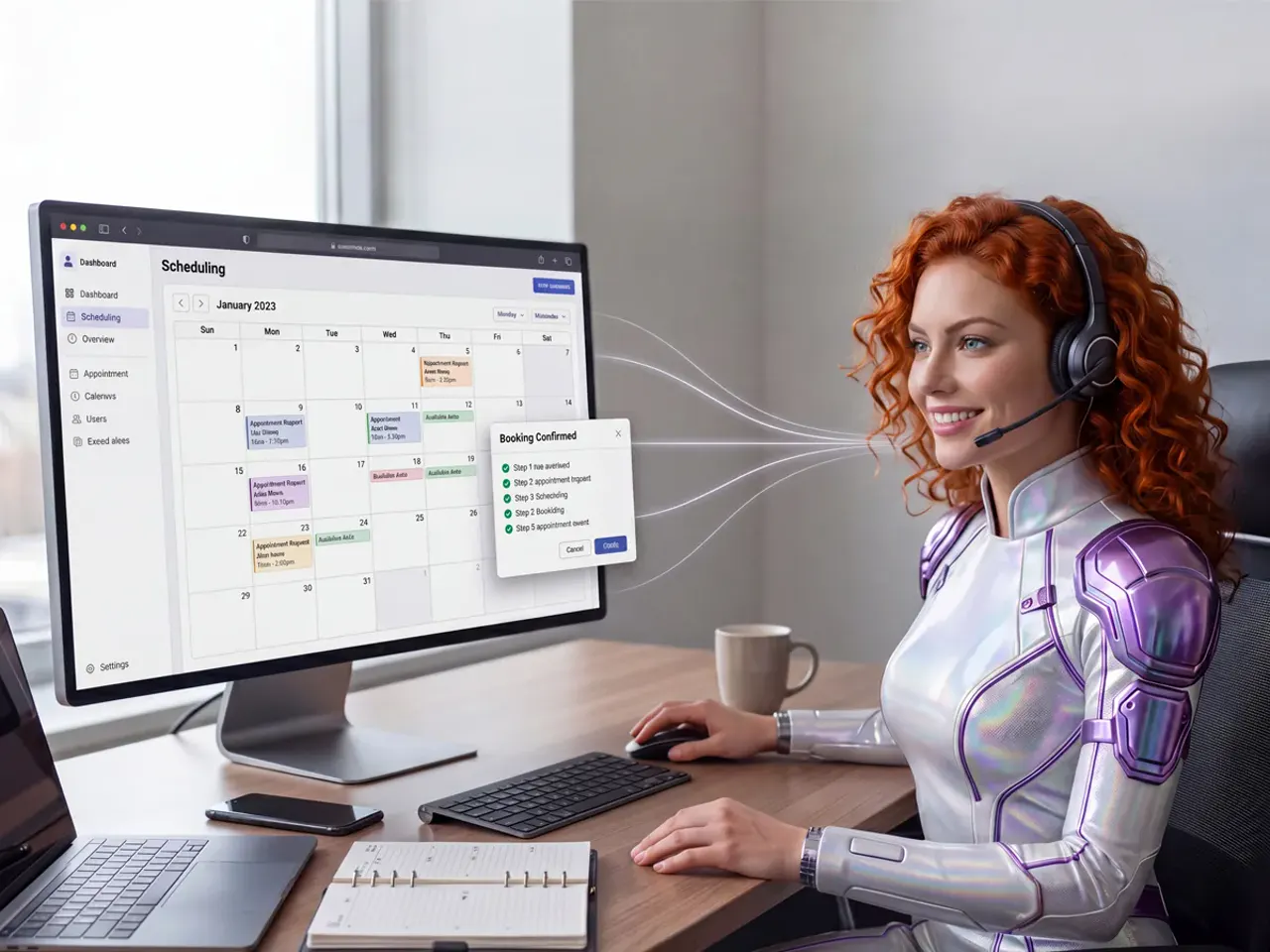
Operational data is valuable when a fitness schedule is created.
AI can be used to analyze patterns from the past and present to aid in:
- Class demand analysis
- Attendance forecasting
- Capacity analysis
- Schedule optimization support
- Time-slot analysis
- Instructor utilization
- Class popularity
- Cancellation patterns
- Waitlist analysis
- Seasonal demand
- Location-level demand
- Member preference analysis
The outcome doesn't necessarily have to be a scheduling decision, but a recommendation for management.
For example:
Historical attendance: Determines actual attendance over time. Demand forecast: Predicts attendance over time.
Member Segmentation
By leveraging the right, authorized data, AI can be used to help build business-relevant member segments.
Possible segments include:
- New members
- Highly engaged members
- Low-engagement members
- At-risk members
- Returning members
- Trial members
- Personal-training members
- Group-class members
- Premium members
- Digital members
- Multi-location members
- Seasonal members
- Lapsed members
There should be no unhelpful profiling on the basis of protected or sensitive characteristics.
The goal should be to make services more relevant and better to inform operational decisions, not to make people feel bad.
Marketing AI for Fitness Businesses

ZechionAI can help marketing teams with:
- Campaign segmentation
- Audience recommendations
- Campaign personalization
- Email content assistance
- SMS content assistance
- Social content assistance
- Campaign timing analysis
- Engagement analysis
- Lead nurturing
- Re-engagement campaigns
- Membership promotion analysis
- Content recommendations
- Campaign performance summaries
Artificial intelligence can be used to identify trends and create content, but human teams are needed for brand standards, campaign strategy, approvals and appropriate communications.
Customer Service AI
Staff can be directed to respond to routine questions by using AI assistants to save their time.
Potential capabilities include:
- Membership FAQs
- Booking support
- Schedule questions
- Policy questions
- Facility information
- Billing-routing questions
- Account-support routing
- Escalation
- Conversation summaries
- Ticket classification
- Service-quality analysis
More complex, sensitive, unresolved or account-specific issues should be referred to suitable authorized staff.
Specialized Fitness AI Assistants
- Member Assistant: Responds to basic membership, facility, class and program inquiries.
- Workout Assistant: Supports members in understanding authorized workout plans and information about exercise within boundaries
- Trainer Assistant: Assists trainers in planning member information, program notes, and resources that have been approved.
- Sales Assistant: Supports the qualification of leads, classification of inquiries and follow-up preparation.
- Retention Assistant: Marks members who might be suitable to be approached by humans, based on activity.
- Marketing Assistant: Assists with campaign planning, segmentation, content creation and analysis.
- Operations Assistant: Summarizes operational data and identifies trends and/or exceptions.
- Management Assistant: Gives executive level business and member trend report summary.
- Class Planning Assistant: Interprets demand and scheduling data to aid planning.
- Customer Service Assistant: Resolves normal enquiries - escalates exceptions.
Predictive Analytics for Fitness
ZechionAI can create predictive analytics solutions for:
- Churn prediction
- Attendance forecasting
- Class demand forecasting
- Membership renewal forecasting
- Lead conversion analysis
- The estimation of customer's lifetime value
- Engagement prediction
- Capacity forecasting
- Revenue forecasting support
- Campaign response prediction
- Demand anomaly detection
- Membership trend analysis
Predictions are not guarantees — use estimates or forecasts and indicators of risk.
Computer Vision for Fitness
Computer vision can be used to assist applications like:
- Exercise-form analysis
- Movement analysis
- Equipment recognition
- Facility occupancy estimation
- Equipment availability
- Visual equipment identification
- Video-based exercise classification
In computer vision, it is important to consider video and visual information as it can present serious implications for privacy.
Safeguards can be:
- Consent where required
- Privacy notices
- Data minimization
- Limited retention
- Access controls
- Human review
- Secure processing
- Restricted use
- No medical diagnosis
No injury prevention claims of any kind made without support.
Do not assume or introduce biometric identification just because computer vision is being employed. Any such capability needs to be analyzed in terms of legal, technical, operational and governance aspects separately.
Transforming Fitness Operations with Generative AI
Generative AI can support with:
- Member communication drafts
- Workout-plan explanations
- Training-content summaries
- FAQ generation
- Internal knowledge assistants
- Marketing content assistance
- Staff knowledge support
- Customer-service summaries
- Meeting summaries
- Operational reports
- Executive summaries
- Policy Q&A
- Training documentation
Public facing outputs or consequential outputs should be subject to suitable review.
AI Workflow Automation
- Lead Workflow: This process involves receiving a lead, assigning it to an AI classification, moving it to qualification, updating the CRM, sending a notification to staff, and following up with the lead.
- New Member Workflow: Individuals are added to membership list → Onboarding information provided → Personalized content provided → Class recommendations provided and monitored for individual's engagement.
- Retention Workflow: People decline engagement → Risk is scored → Priority is assigned → Staff review the risk → Outreach is done → Response tracking.
- Customer Service Workflow: Question, RAG retrieval, Response, Confidence/rules, Human escalation as needed
- Workout Workflow: Recommendation → Member preferences → Approved information → Professional review (as needed) → Member delivery → Feedback → Update
- Class Workflow: Historical attendance reports are used to inform a demand analysis, which is then fed into a forecast before a recommendation for schedule is made and reviewed by the manager.
- Marketing Workflow: The member segmentation step is followed by the campaign recommendation, content draft, approval, campaign execution, and performance analysis.
- Management Workflow: Operational data is fed into AI analysis, which provides a KPI summary, followed by anomaly detection, and then an executive report.
Fitness Data & System Integrations
ZechionAI has the capability to create integration architectures based on categories including:
- Gym management software
- Membership management systems
- CRM platforms
- ERP systems
- POS systems
- Booking platforms
- Class scheduling systems
- Mobile applications
- Websites
- Customer-data platforms
- Marketing platforms
- Email systems
- SMS platforms
- Payment systems
- Data warehouses
- BI platforms
- APIs
- Data lakes
- Analytics platforms
There are specific integration availability that depend on the platform's:
- API availability
- Authentication method
- Permissions
- Data structure
- Licensing
- Rate limits
- Security requirements
- Export capabilities
Unless an integration has been made with ZechionAI, ZechionAI is not a third-party platform.
Fitness AI Data Architecture
A working system can be designed along these lines:
- Data Sources
- Integration Layer
- Data Quality
- Member/Customer Data
- AI/ML Models
- Recommendation & Prediction Layer
- Applications
- Human Review
- Monitoring
Some of the key technical components may consist of:
- Data Ingestion
- Gather authorized data from appropriate systems.
- Data Normalization
- Ensure data formats, fields, identifiers and data structures are standardised.
- Identity Matching
- Link records for a member or a business entity as is appropriate and authorized.
- Data Quality
- Locate missing, inconsistent, duplicate, outdated, and invalid data.
- Feature Engineering
- Create appropriate signals for analytical or machine learning models.
- Model Development
- Choose and build models to suit the business problem.
- Model Evaluation
- Use the proper method of validation to determine performance.
- API Delivery
- Publish model outputs to accepted applications and processes.
- Workflow Automation
- Relate forecasts and suggestions to business procedures.
- Monitoring
- Monitor system activity, data quality, model performance, and operational results.
AI Security & Privacy
Fitness companies believe in and deal with information that requires careful protection.
Some of the security controls may be:
- Authentication
- Authorization
- Role-based access control
- Least-privilege access
- Encryption
- Secure APIs
- Data minimization
- Data segregation
- Logging
- Monitoring
- Access reviews
- Retention policies
- Vendor assessment
- Model security
- Establish quick and safe handling of the data
- Incident-response procedures
- Secure integration
- Environment separation
Security architecture should be built upon the technology environment, data types, contractual requirements, risk profile and applicable requirements of the client.
Unlike other projects, ZechionAI does not get certified just for having security controls. Only use a specific certification or attestation if it is held and relevant.
Privacy & Fitness Data
Fitness groups can conduct:
- Member contact information
- Attendance information
- Workout information
- Behavioral information
- Payment-related information
- Communications
- App activity
- Feedback
- Preferences
The relevant privacy obligations will vary based on factors including jurisdiction, type of organisation, business operations, types of data collected and used, etc.
Is Gym Data Automatically HIPAA-Protected?
No.
Whether or not HIPAA is applicable depends on the organization and activity being within the scope of HIPAA. The mere collection of information about fitness or wellness does not make a gym a HIPAA-covered entity.
The privacy requirements under HIPAA and other privacy requirements should be considered in the context of an organization's particular circumstances.
Responsible AI for Fitness
Responsible AI is especially crucial when AI systems impact member experiences or business decisions.
ZechionAI can incorporate:
- Human oversight
- Data-quality controls
- Model evaluation
- Bias assessment
- Explainability
- Documentation
- Monitoring
- Model-drift monitoring
- Access control
- Privacy
- Transparency
- Change management
- Auditability
Churn Model Governance
Responsible churn model should be assessed for:
- Feature appropriateness
- False positives
- False negatives
- Bias
- Data drift
- Model performance
- Unintended consequences
- Human review
- Actionability
The mere fact that an algorithm deems the cancelation risk to be high should not trigger adverse treatment of a member.
ZechionAI AI Lifecycle
- 01
Discover
Define business issues, data resources, stakeholders, systems and operational limitations.
- 02
Strategize
Focus on use cases in terms of feasibility, value, risk, data availability, and implementation needs.
- 03
Design
Identify workflows, architecture, interfaces, points of human review, data flows and governance.
- 04
Build
Build AI models, apps, assistants, integrations and automation elements.
- 05
Integrate
Integrate approved systems, APIs, databases, applications and business workflows.
- 06
Deploy
Deploy the solution to a suitable production environment that has controls.
- 07
Automate
Integrate AI generated content with validated operating processes.
- 08
Monitor
Monitor system performance, data quality, model behaviour, usage and exceptions.
- 09
Secure
Implement security, access, data-protection and integration controls as appropriate.
- 10
Govern
Record responsibilities, policies, model decisions, access, changes, review.
- 11
Optimize
Refine system based on measures, feedback from users, data quality and evolving needs.
- 12
Scale
Roll out successful use cases to other locations, teams, workflows, or business units as suitable.
All-in-One AI Services for Fitness & Gyms
ZechionAI can offer a single service or bundle several services into a larger AI program.
- AI Strategy & Consulting
- AI Readiness Assessment
- Fitness AI Roadmapping
- Member Intelligence
- Personalized Workout AI
- Recommendation Engines
- Membership AI Assistants
- AI Chatbots
- RAG Knowledge Assistants
- Churn Prediction
- Retention Intelligence
- Member Segmentation
- Lead Scoring
- Lead Qualification
- Sales Automation
- Class Demand Forecasting
- Attendance Forecasting
- Membership Forecasting
- Customer LifeTime Value Analytics
- Marketing AI
- Campaign Personalization
- Customer Service AI
- Workflow Automation
- Predictive Analytics
- Business Intelligence
- Executive AI Dashboards
- Computer Vision
- Exercise Recognition
- Equipment Recognition
- Facility Analytics
- Data Engineering
- Data Integration
- API Integration
- CRM Integration
- Gym Management System Integration
- Incorporating AI into mobile apps.
- AI Agent Development
- Generative AI Applications
- Custom ML Models
- Recommendation Model Development
- Model Monitoring
- AI Governance
- AI Security
- Responsible AI
- AI Maintenance
- AI Optimization
- AI Performance Monitoring
- AI Training for Staff
- AI Documentation
- Ongoing AI Engineering
Not all of the services are suitable for all fitness organizations. This depends on what the business wants to achieve, what systems are in place, what data are available, budget, readiness to operate, and risk requirements.
Why Outsource AI to ZechionAI?
- 01
Access to Specialized AI Expertise
Perhaps fitness organizations don't require a whole in-house AI engineering team for all use cases.
An external partner can help you gain access to AI experts in strategy, machine learning, generative AI, RAG, data engineering, automation, integration, security, and governance.
Reduced IDB.
ZechionAI can assist in the discovery, architecture, development, integration, testing, deployment, documentation, and continuous optimization processes.
This frees up internal staff to concentrate on fitness operations, member experience, sales and business management.
Use cases to be evaluated are performed more quickly.
Organizations don't need to start with a big AI program – they should assess practical opportunities and start with a clear use case.
- 02
Multiple AI Disciplines
There are several technical areas that could be a part of a fitness AI initiative:
- AI strategy
- Machine learning
- Generative AI
- RAG
- Predictive analytics
- Automation
- Data engineering
- Integration
- Security
- Governance
ZechionAI can unite these disciplines under one roof in one engagement.
- 03
Independent Perspective
An external team can examine processes, systems, data and opportunities that are not exclusively the responsibility of a single department.
- 04
Flexible Scaling
Organizations can start with a project and grow as data, systems, adoption and business needs evolve.
- 05
Ongoing Support
More than just development is needed for AI systems.
Some services may continue to be provided, such as:
- Monitoring
- Model evaluation
- Data-quality review
- System maintenance
- Security updates
- Knowledge-base updates
- Model optimization
- Workflow improvements
- Performance analysis
- Documentation
Why Partner With ZechionAI?

- 1 AI Partner Across Strategy and Implementation: Link planning, development, integration, automation, analytics, security and continuous support.
- Practical Use-Case Prioritization: Always begin with issues that can be solved with the organization's existing data and systems.
- Human-in-the-Loop Design: Involve people where professional judgment, customer sensitivity, safety, or business authority is important.
- Flexible Integration: Assume that the organization does not need to replace all of the platforms.
- Data-Aware Architecture: Consider Data Quality, Data Availability, Data Structure, Data Permissions, Data Lifecycle.
- Security-Conscious Implementation: Integrate suitable security measures into the design instead of adding them on as an add-on.
- Responsible AI Practices: Take into account aspects such as privacy, fairness, explainability, monitoring, human review, and model limitations.
- Modular AI Development: Begin with one capability and build out, don't need all components done at once.
- Ongoing Optimization: Analyse performance and feedback, data quality, business requirements post deployment.
- Executive Visibility: Summarize, trend, indicate and report complex operational information.
Technical and Business Alignment.
Establish AI development initiatives that are aligned with real business goals, not a technology push.
35+ Fitness AI Use Cases
- Personalized workout recommendations
- Member recommendation engine
- Class recommendations
- Trainer matching
- Churn prediction
- Retention prioritization
- Member segmentation
- Lead scoring
- Lead qualification
- Membership AI chatbot
- Workout AI assistant
- Customer-service assistant
- Class demand forecasting
- Attendance forecasting
- Membership renewal forecasting
- Campaign personalization
- Re-engagement automation
- CLV analysis.
- Member engagement scoring
- Facility utilization analysis
- Equipment utilization analysis
- Schedule optimization support
- Personalized onboarding
- Automated FAQ support
- Executive reporting assistant
- Marketing content assistance
- RAG knowledge assistant
- Exercise-library assistant
- Analysis of exercise using computer vision.
- Equipment recognition
- Data-quality monitoring
- AI workflow automation
- Member feedback analysis
- Cancellation reason analysis
- Membership upgrade recommendations
8 Practical AI Workflows
- 01
Workflow 1 — New Member Personalization
- Membership
- Member Profile
- Preferences
- AI Segmentation
- Recommended Classes/Workout Resources
- Member Delivery
- Feedback
AI categorizes the information available for members and provides content suggestions based on business rules that have been approved.
- 02
Workflow 2 — Churn Risk
- Attendance Changes
- Engagement Analysis
- Churn Model
- Risk Score
- Staff Review
- Outreach
- Outcome Tracking
The model uncovers patterns that are related to decreased engagement. The appropriateness of outreach is determined by staff.
- 03
Workflow 3 — Membership Chatbot
- Member Question
- RAG Retrieval
- AI Response
- Confidence/Business Rules
- Human Escalation
- Resolution
The assistant leverages the approved information for the business and notifies the appropriate individual to escalate questions that the assistant is unable to address correctly.
- 04
Workflow 4 — Lead Conversion
Lead Inquiry, AI Classification, Qualification, CRM Update, Follow-Up Recommendation, Staff Action, Conversion Analysis.
The system allows sales people to prioritize inquiries and to see the trends in the pipeline.
- 05
Workflow 5 — Class Demand
Historical Attendance data is used to analyze seasonality, forecast demand, and recommend a schedule to be sent to the manager for approval, followed by the actual schedule update.
AI assists with planning; management has control over what happens in operations.
- 06
Workflow 6 — Workout Personalization
- Member Inputs
- Approved Exercise Library
- Recommendation Logic
- Safety/Business Rules
- Professional Review Where Appropriate
- Member Plan
The recommendation system is not a medical or clinical system, but it is within a certain set of boundaries.
- 07
Workflow 7 — Re-Engagement
- Reduced Activity
- Member Segment
- Recommended Message
- Human Approval
- Outreach
- Response
- Engagement Monitoring
The workflow enables the staff to direct their attention to where engagement patterns show that follow up could be beneficial.
- 08
Workflow 8 — Executive Intelligence
The operational data is transferred to AI analysis, and then to the KPI Summary, followed by Trend Detection and Exception Identification, and finally to the Executive Dashboard/Report.
Management gets a systemized overview of business signals without having to check each individual record.
What ZechionAI does NOT promise
The role of AI should be well-defined.
ZechionAI will NOT guarantee:
- Guaranteed membership growth
- Guaranteed retention
- Guaranteed revenue increases
- Guaranteed weight loss
- Guaranteed fitness results
- Medical diagnosis
- Medical treatment
- Injury prevention
- We need to replace qualified fitness professionals.
- Perfect predictions
- Perfect recommendations
- Elimination of human judgment
- Zero-risk AI
- Automatic adherence to all the relevant laws
No information about the results including a lack of data.
Learning outcomes that are not achieved through implementation.
The performance of AI can be influenced by various factors, such as:
- Data quality
- Data availability
- Integration quality
- Business rules
- Model selection
- Implementation
- User adoption
- Human review
- Monitoring
- Ongoing optimization
AI services for Fitness & Gyms
- Predictive AnalyticsTurn Historical and Real-Time Data Into Better Business Decisions
- RAG SystemsYour organisation has knowledge that is valuable. It can appear in documents, databases, policies, contracts, websites, technical manuals, CRM, research files and internal applications.
 AI Security, Governance & ComplianceSecure AI. Govern AI. Deploy AI Responsibly.
 Computer VisionTurn Visual Data Into Actionable Intelligence
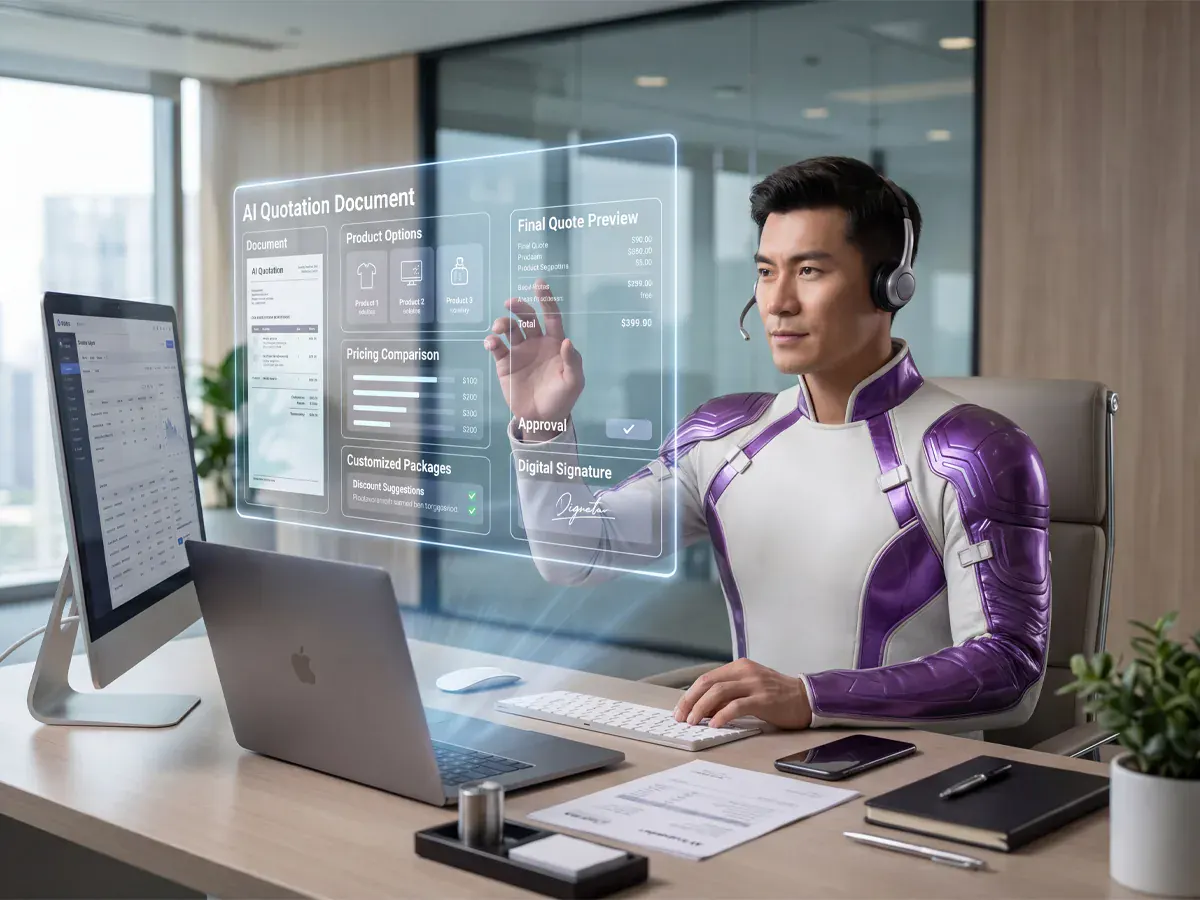 Intelligent AutomationAutomate Repetitive Work. Connect Your Systems. Improve How Your Business Operates.
- Generative AIGenerative AI can give employees quicker access to institutional knowledge and enable tasks that are information-rich to be automated.
- AI Strategy & AdvisoryPractical AI Strategy for Scalable Business Transformation
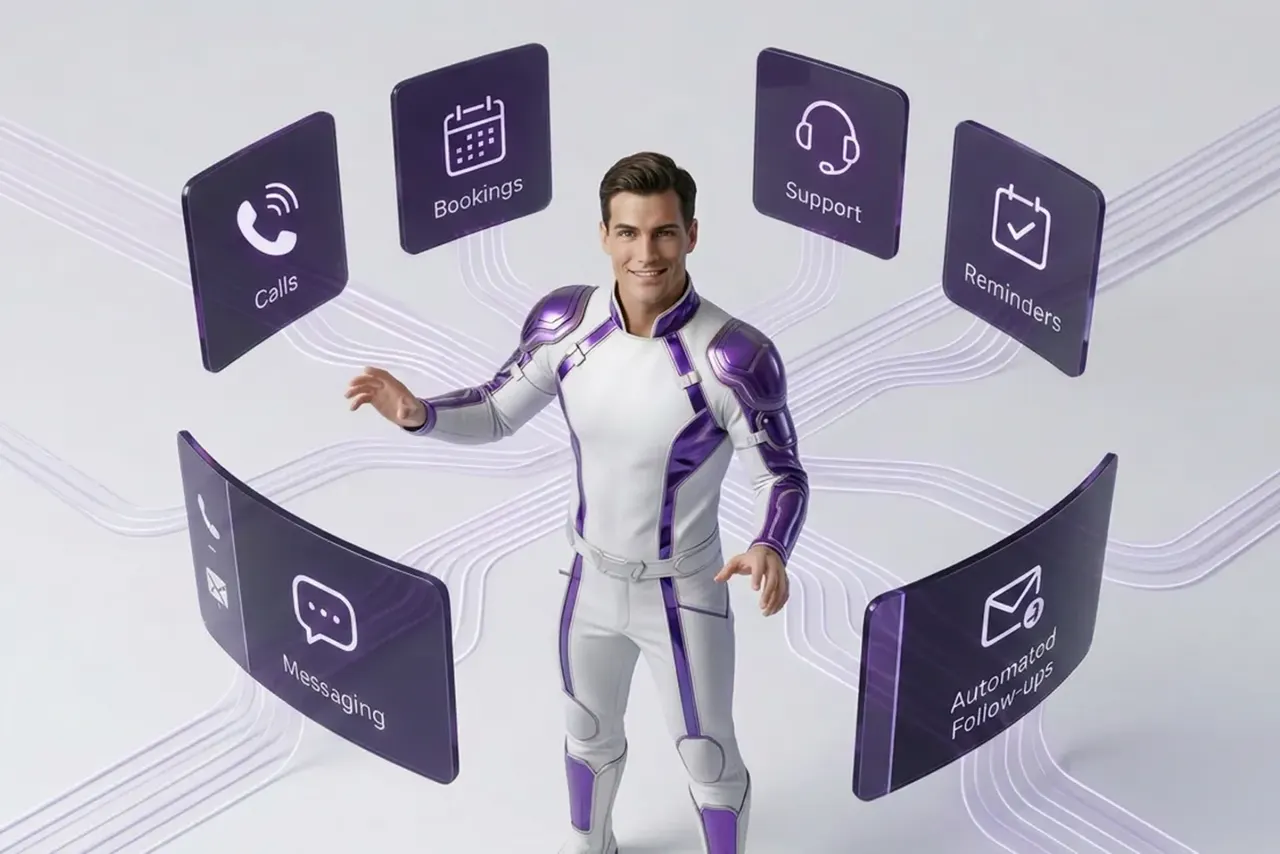 AI Agents & Autonomous AIAI Agents Built Around Real Business Workflows, Data, Tools, and Outcomes
ZechionAI creates AI solutions for personalized workout plans, membership assistants, member analytics, churn prediction, retention intelligence, lead qualification, class forecasting, marketing automation, customer support, predictive analytics, rag assistants, workflow automation, integrations, AI agents, and more fitness-specific use cases.
Yes. With approved information like stated goals, experience, preferences, equipment available, frequency of workouts and training history, AI can create or suggest structured workout plans. Appropriate professional review and safety controls should be incorporated where required.
Yes. Different recommendations may be generated by the recommendation system based on the defined experience levels, preferences, training history, approved exercise libraries and business rules.
Yes. Member preferences, participation history, preferred time, location, class characteristics and availability can be taken into consideration when determining classes.
AI can help with assessing engagement patterns and pinpoint members exhibiting signs of disaffection or at risk of cancelling. Staff can then make a judgement on whether or not outreach is needed.
A churn model is designed to analyze historical and present-day business data to look for patterns related to previous churns or decreases in engagement. It results in a probability, risk category, or other type of indicator, not in certainty.
AI can predict which members are likely to cancel, based on patterns. It is not able to be sure that an individual member will cancel.
No. Model performance is dependent upon data quality, past trends, model design, feature selection, implementation and changing member behaviors. Models should be evaluated and monitored.
It can be used for automation when it is suitably designed and authorized. There are a number of organizations that might still want human review for some communications, particularly in cases of context or sensitivity.
Yes. AI assistants can respond with approved information to typical membership, facility, scheduling, program and policy queries.
It can respond to inquiries regarding topics like membership programs, hours, classes, facility details, policies, trials, personal training and any other information in its authorized knowledges.
Yes. A RAG based assistant can be used to extract details from approved policy documents, FAQs, schedules, procedures and other organizational sources.
Yes. ZechionAI can create RAG architectures revolving around accepted business knowledge, access controls, document versioning, retrieval rules, monitoring, and human escalation.
Potentially. It is dependent on the API, permissions, authentication, licensing, data structure, and technical capabilities of the platform.
Yes, if the CRM offers integration options and the access is granted.
Yes. Depending on how the mobile application is developed, AI functionality may be accessible via APIs or application integrations.
Yes. Attendance data can be adapted for trend analysis, engagement scoring, forecasting, segmentation and other analytical purposes as appropriate.
Yes. Demand forecasting can be done on the basis of historical attendance, bookings, the seasonality of demand, time schedules, locations, and other relevant factors.
AI can suggest a schedule based on demand and operational considerations. Management may have the final say in scheduling.
Yes. Businesses can set the appropriate engagement thresholds and leverage analytics to detect engagement changes among members.
Yes. AI can detect groups by the use of suitable business data like engagement, membership type, class participation, or lifecycle.
Yes. AI can categorize inquiries, pull out information, and use predetermined qualification rules to suggest follow-up priority.
Yes. Lead scoring can help determine the relative priority of leads, based on known business signals and trends.
Yes. AI can help with reminders, workflow triggers, preparing messages, updating CRM and notifying staff. The level of automation should be based on the business needs.
Yes. AI can assist with segmenting audiences, suggesting content variations, analyzing engagement data, and facilitating campaign personalization.
Yes. The NLP can categorize feedback, pinpoint themes, summarize comments and assist teams to find common concerns.
If there is cancellation information with the proper structured or textual reasons, AI can be used to classify themes and find trends.
Potentially. A recommendation system can be used to match member preferences, availability, the type of service being sought, and any approved trainer information with other considerations of the business.
Yes. AI can be used to arrange info, give a summary of accepted member information, create program explanations, analyze adherence, and help with administration.
Yes. AI assistants can respond to common inquiries, provide summary, assignment and filtering of conversations, flag relevant policies, and minimize repetitive admin work.
Yes. AI is used at the operational level for operational summaries, member trends, class demand, retention signals, lead analysis, and executive reporting.
Yes. AI has the ability to extract summaries from approved business data, alert on exceptions and trends and generate structured management reports.
Potentially. The organization needs to decide if the data could lawfully and appropriately be used for the intended purpose, and if the data source system can grant access to the data.
It depends on the application. Membership FAQ assistant might only need policies and schedules, whereas churn prediction could need historical membership and engagement data.
Security architecture includes authentication, authorization, least privilege, encryption, access controls, logging, monitoring, data minimization, secure APIs, retention controls, and other security measures as needed for the project.
Not automatically. HIPAA does not apply unless the organization is legally structured and engaged in certain activities. It is not a given that fitness information is HIPAA-protected, and fitness organizations should determine their own situation.
ZechionAI can build systems that consider privacy and security requirements that can be applied. The applicability, and, therefore, the compliance requirements, will vary based on the organization, services, data, and relationship.
In theory, but only if there is a suitable business, legal, privacy and security, and governance foundation for doing so. The principle of Data minimisation should be adopted.
No: ZechionAI's fitness AI solutions should not be viewed as medical diagnostic solutions.
Fitness AI should not be marketed as a medical advice-giving tool or as a replacement for medical professionals.
No. ZechionAI places AI as an assistant for the competent experts and operational teams.
Potentially. Depending on the technical limitations, privacy requirements, proper consent and human supervision, computer vision may be able to classify movements or analyze certain visual patterns.
It is dependent on scope, integrations, maturity of data, security considerations, testing, deployment design, and the use case complexity.
Yes. Beginning with a clear use case may be a sensible approach for testing technical viability, uptake, data quality and business value to then grow.
Yes. Where technically and operationally appropriate, multiple AI services can be integrated via APIs, data platforms, and workflow systems and application architectures.
Yes. Multi-location architectures provide the ability to centralise the relevant analytics while allowing access and business rules at the location level as desired.
Yes. AI can be adopted for centralized analytics, member intelligence, knowledge assistants, marketing support, operational reporting, and other applications while providing the proper location-level controls for franchise organizations.
The cost of this varies based on use cases, data sources, integrations, users, locations, AI models, security needs, deployment architecture, and support needs. If you've got an understanding of the requirements, ZechionAI can scope pricing.
The support can involve monitoring, maintenance, model evaluation, knowledge-base updates, data-quality review, optimization, security updates, performance analysis and more.
Monitoring may include model performance, quality of responses, quality of data, usage, system errors, drift, retrieval quality, project-specific outcomes from the workflow process, and any other criteria you want to track.
Some elements of bias evaluation may include analyzing model features, differences in outcome, error rates, data representation, false positives, false negatives, and potential disparate impacts that are relevant to the use case.
Yes. Professional judgment or business authority can be part of the workflows that involve human review.
Yes. Custom machine-learning or recommendation models may be created, if the use case, data volume, performance requirements, and economics justify them.
Yes. AI agents can be programmed to execute specific actions in a controlled environment, with access and business rules, logging, and human escalation as needed.
Generally, a chatbot is geared towards conversations. AI assistant can be used in conjunction with conversation, retrieval, tools, workflows, data access, task execution, and business rules.
RAG stands for retrieval-augmented generation. It enables an AI system to look up information from approved sources before formulating a response. For a gym, it can be policies, schedules, FAQs, trainers info, procedures and more.
Yes. APIs can offer a structured approach to integrate AI systems with existing software. The actual integration will vary based on the API's features and authorization needs.
If the data is incomplete, it can limit the effectiveness or accuracy of the AI system. The project should include data gaps, set the correct limits of quality and not give uncertain results as conclusions.
Begin by having a well-defined business problem, identifying available data and systems, assessing feasibility, outlining measures of success, defining privacy and security needs, and developing a focused pilot and then expanding.
Outsourcing can help to gain access to several different types of AI without the immediate need to create a massive AI engineering team within an organization. The choice of model will vary based on the organization's strategy, internal capabilities, budget and needs.
Leverage AI for a More Connected Fitness Operation
Begin with one use case – personalized workout planning, membership support, churn prediction, lead management, class forecasting, member analytics, or workflow automation – and grow with your data, systems and business needs.
Talk to Zech, live