
BPO & Customer Service AI Solutions
Automate ticket triage, understand customer sentiment, and give service teams practical AI assistance across the customer support workflow.
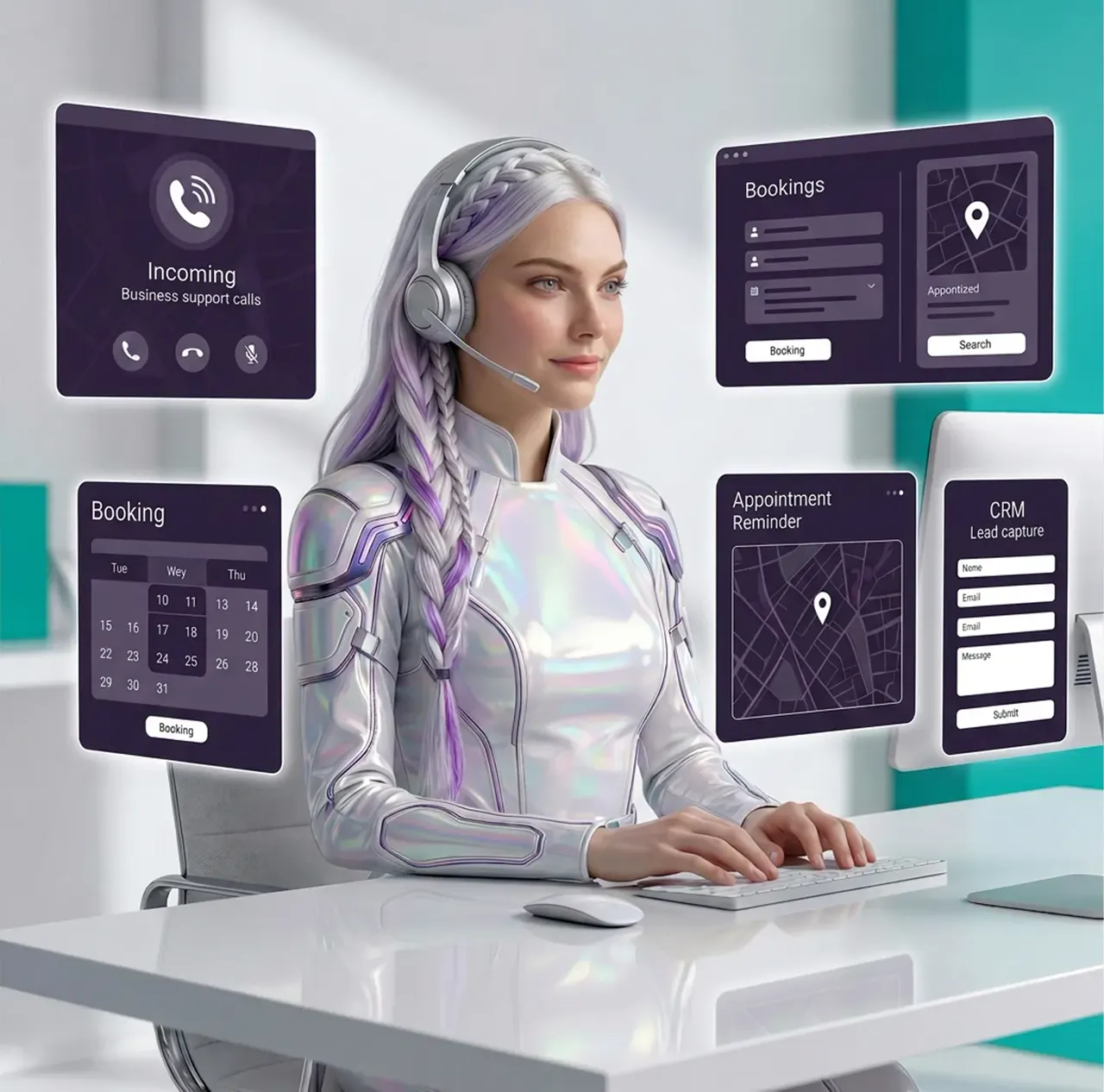
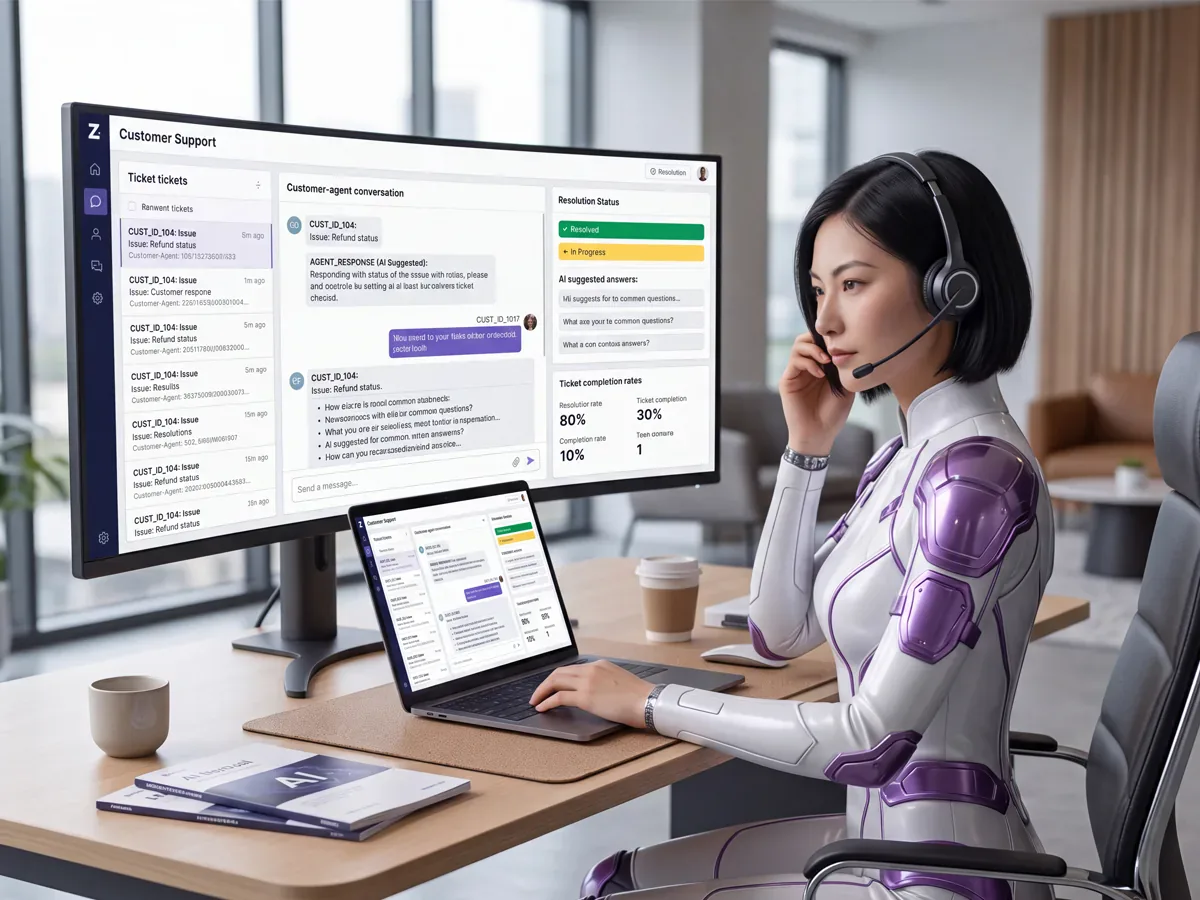
Thousands of customer interactions are handled via email, chat, voice, portals, forms, and other channels by BPOs, contact centers, shared service centers, help desks and customer service teams.

ZechionAI assists organizations in using AI to the service of this work without the need to replace their existing customer service technology stack.
Our solutions can help with ticket classification, intelligent routing, sentiment and intent analysis, agent assistance, knowledge retrieval, conversation summarization, quality assurance, escalation intelligence, customer experience analytics and controlled workflow automation.
AI should enhance, not diminish the experience of the people involved in customer conversations.
AI around the Customer Service Process
The most effective use of customer service AI happens when it is used in conjunction with processes, systems, knowledge, and people already in place that are already handling customer service.
ZechionAI can play a role in building an AI layer that can be used throughout the customer service process:
Customer Interaction, AI Understanding, Classification, Routing, Agent Assistance, Human Review, Resolution, Analytics
AI can be used to understand the queries being asked by customers, locate the relevant information, provide a summary of past conversations, suggest a path to follow, highlight knowledge, or mark a case for further review, depending on the situation.
The goal isn't to eliminate human ownership.
The aim of this is to minimise repetitive work and provide service providers with information at an opportune time in the process.
The problems in Customer Service that we can assist with
High Ticket Volumes
Manual classification, prioritization and routing can be challenging when there are many incoming cases.
If each email, ticket, chat and form needs to be read separately, supervisors and agents can waste a lot of time arranging their work before they can start working on customer issues.
AI can be used to analyse incoming requests and then suggest classifications and routing according to prescribed rules and the information available.
Manual Triage
Customer service teams often have to figure out:
- What does the customer want to know or ask?
- Which department is responsible for it?
- Is it an emergency?
- Does this have to do with a billing issue?
- Do you need technical assistance?
- Have the customer been in touch with the organization before?
- Is this a matter that needs to be escalated?
- Where is the answer, who or where might it be in?
AI can help with these decisions and keep business processes and human review intact.
Inconsistent Prioritization
The term "urgent" can mean different things to different agents/supervisors.
AI Classification can use consistent rules on new cases and prioritize according to rules set in the configuration.
Human review is appropriate for unusual, sensitive or high impact scenarios.
Repetitive Customer Questions
Agents can repeatedly reply to such comparable questions as:
- Products
- Services
- Billing
- Policies
- Account procedures
- Troubleshooting
- Orders
- Returns
- Scheduling
- General support
Knowledge-assisted AI can guide agents in finding approved information without them having to search various sources.
Long Conversations
A customer can have a lengthy history on calls, chats, email, and tickets.
An AI generated summary can assist an agent to understand:
- Actions taken will be reviewed during the monitoring stage.
- This can facilitate handoffs and follow up.
Knowledge Gaps
Essential information can be found in SOPs, internal documents, training, product manuals, FAQs, and policy documents.
AI can extract relevant information from approved sources, if the architecture and permissions allow.
Escalation Pressure
Supervisors must have a way to see what interactions could benefit of intervention.
AI can identify red flags for potential escalations, including cancelled appointments, complaints, requests for cancellation, unresolved issues, and specific sensitive topics.
Quality Assurance Workload
It can take a lot of time to review manually.
AI can help QA teams by identifying conversations for review, verifying specific criteria, summarizing selected conversations, and highlighting potential areas of policy or process problems.
Limited Operational Visibility
Traditional reporting might present number of tickets without detailing the reason people are reporting tickets to the organisation.
AI-powered analytics can be used to detect:
- Customer intent
- Contact drivers
- Sentiment patterns
- Recurring complaints
- Escalation themes
- Knowledge gaps
- Process bottlenecks
- Repeat-contact patterns
BPO & Customer Service Centers services
6 services
How ZechionAI Can Help
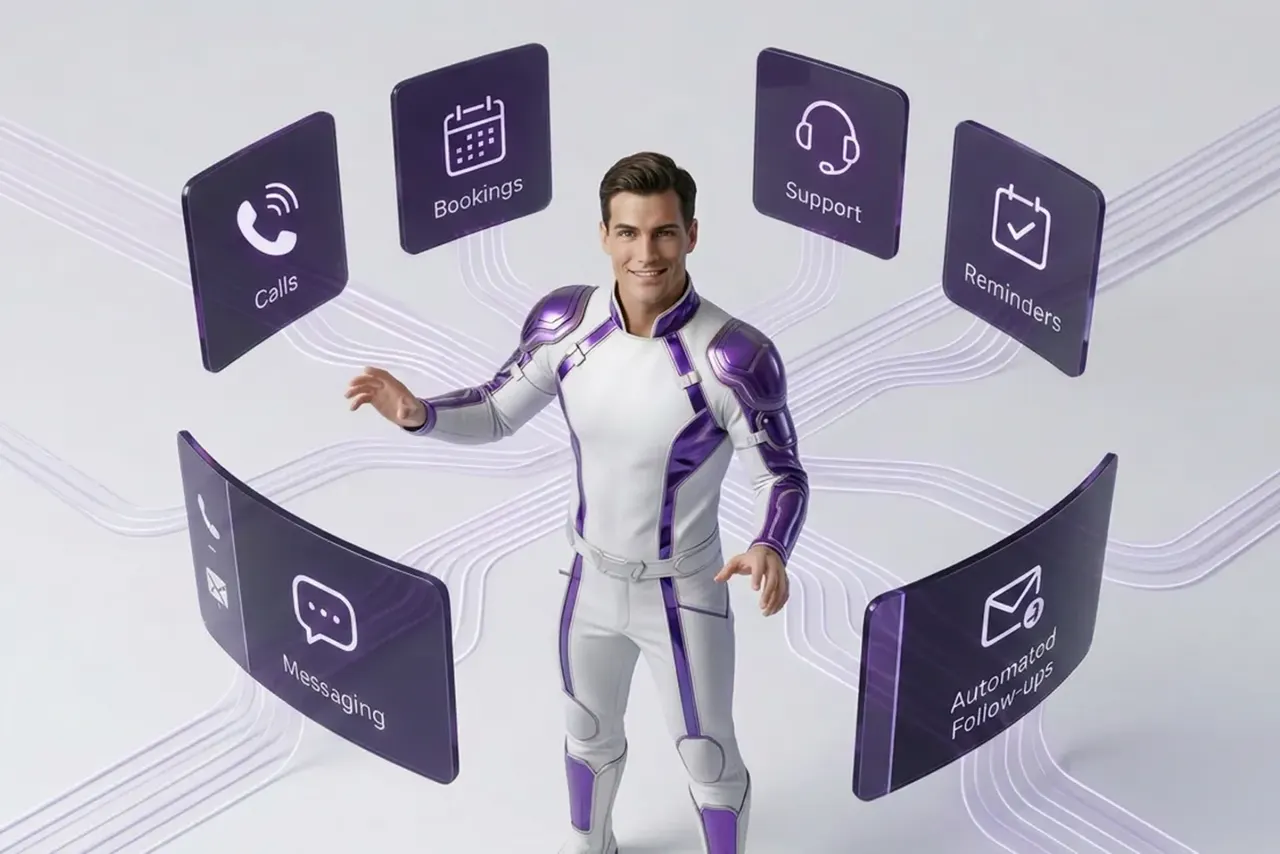
While ZechionAI cannot replace customer support, it can fit into the current service framework and integrate AI features into it.
The following components can be combined with:
- AI classification
- Workflow automation
- Knowledge retrieval
- Agent assistance
- Customer-facing AI
- Conversation intelligence
- QA assistance
- Analytics
- AI agents
- Integration engineering
- Governance and monitoring
The resulting architecture will be based on the current systems, data, workflow, permissions, security requirements and business objectives of the organization.
AI-Powered Ticket Triage
One of the most actionable areas for customer service AI is ticket triage.
ZechionAI can be used to create systems that process incoming requests and detect signals like:
- Topic
- Customer intent
- Product
- Service category
- Customer type
- Priority
- Urgency
- Language
- Sentiment
- If possible, include context information within the account.
- Potential escalation
- Recommended department
- Relevant knowledge area
For example:
- The "Billing Issue" is resolved by the "Billing Queue".
- Technical Failure becomes Technical Support.
- Request to cancel the account → Retention or Account Team
- Complaint → Escalation Review
- Discuss with Account Support: Password Issue
- High-Priority Case → Priority Queue
Business rules can be set to customize routing decisions made by AI, instead of letting the AI make decisions without restrictions.
Configurable Triage
The deterministic rules and AI classification could be combined in a practical triage architecture.
For example:
Identification of intent by AI; Evaluation of business rules; Generation of a routing recommendation; Execution of the workflow or request for human evaluation.
This way, operations teams will have more control over the use of automation.
Intelligent Ticket Classification
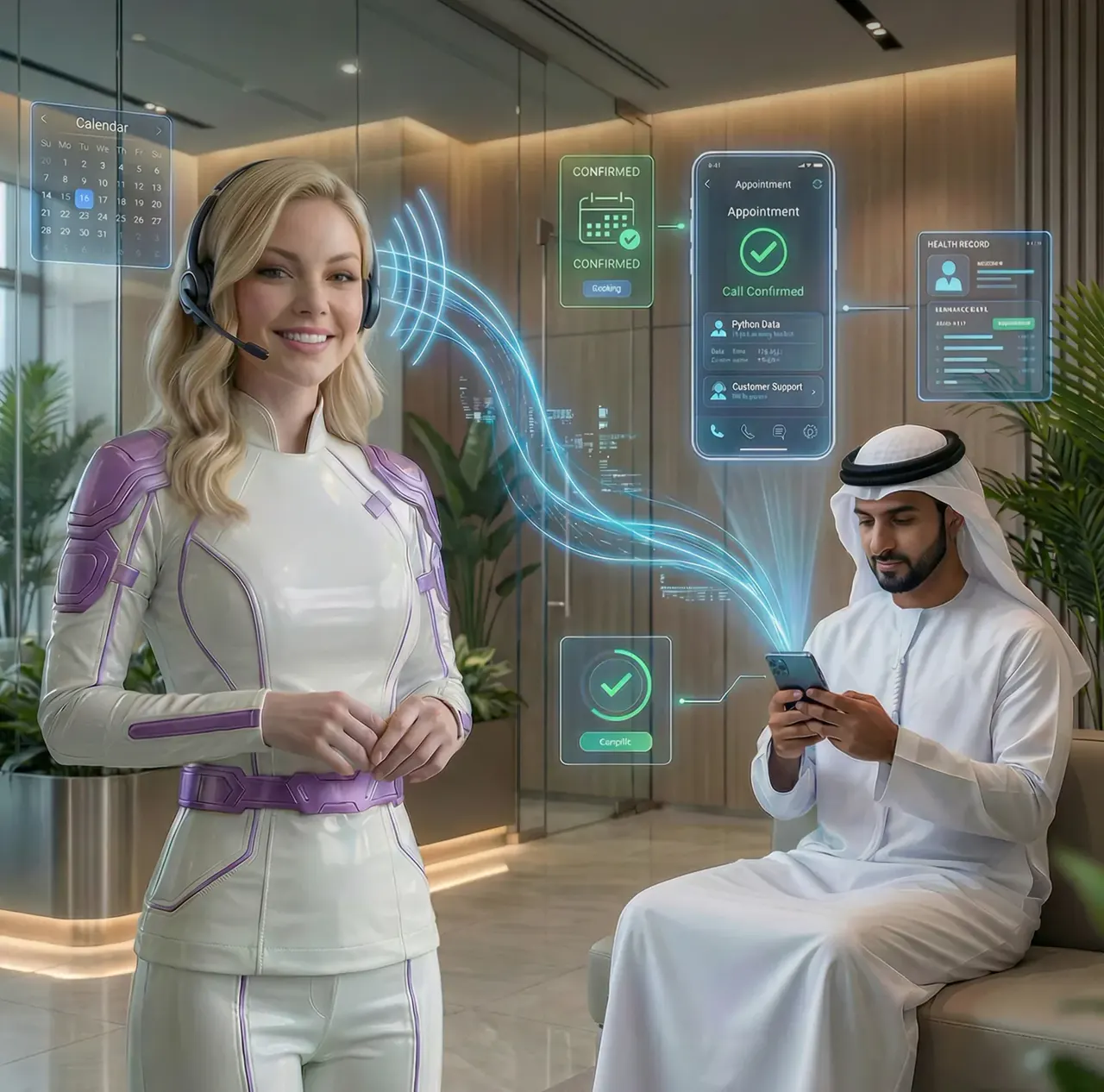
AI can categorize customer inquiries and requests from various channels such as:
- Email tickets
- Web forms
- Support portals
- Chat requests
- Contact-center transcripts
- Internal service requests
- There are multiple levels of classification.
- Example
- Customer Service
- → Billing
- → Invoice Question
- → Duplicate Charge
This kind of categorised classification can aid:
- Routing
- Reporting
- Queue management
- Trend analysis
- Knowledge recommendations
- Workforce planning
- Root-cause analysis
Classification model and taxonomies need to be evaluated on representative historical interactions prior to their deployment to production.
Priority & Urgency Detection

Not all customers' requests are equally critical to the running of a business.
AI can interpret language and context of interaction for clues to:
- Service interruption
- Account access problems
- Financial impact
- Repeated complaints
- Contract concerns
- Safety-sensitive language
- Escalation requests
- High-value customer issues
- Regulatory-sensitive topics
AI can suggest a priority level according to the configured criteria.
But, in all instances, AI should not be the default solution for severity.
Organizations can combine AI recommendations with:
- Business rules
- Account rules
- SLA requirements
- Queue policies
- Supervisor review
- Escalation procedures
Customer Sentiment Analysis
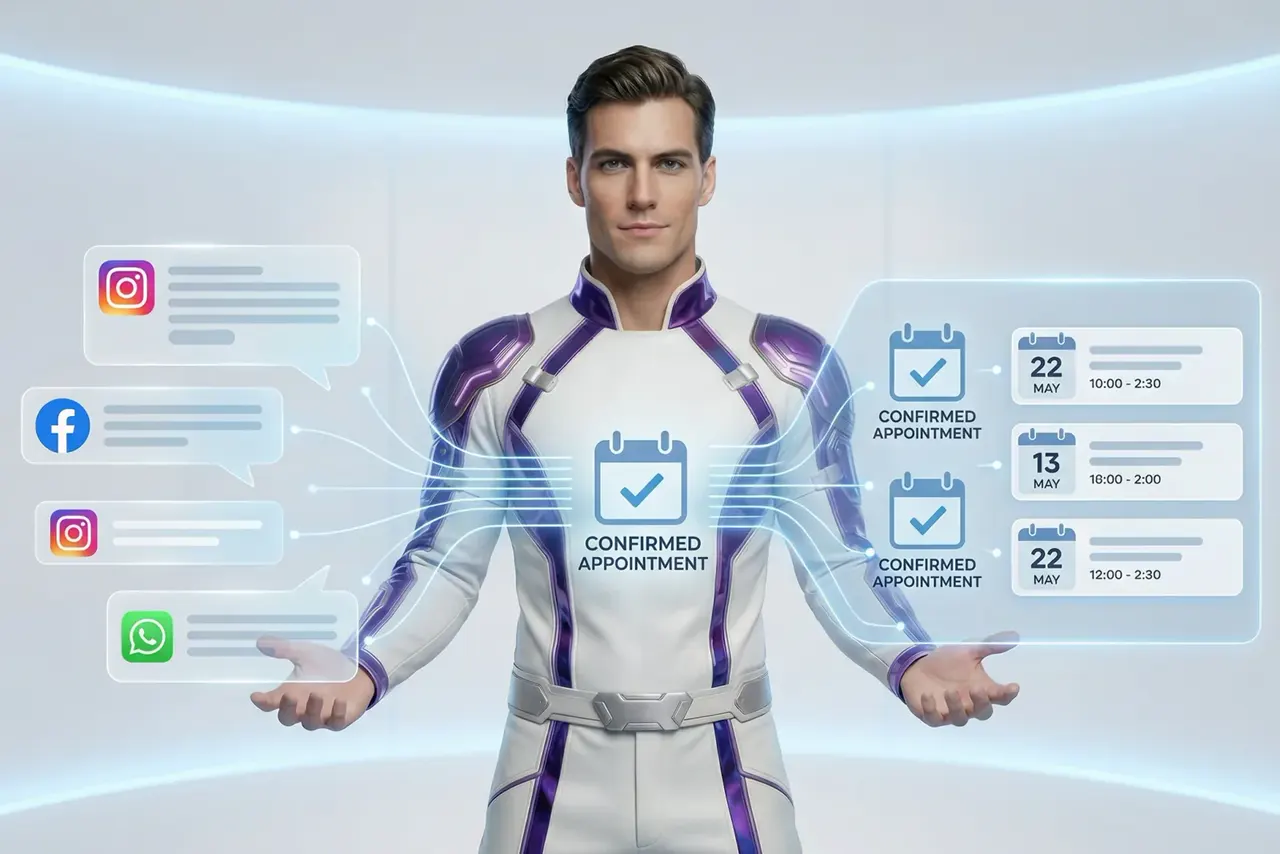
Customer interactions have language and behavioural cues that can assist service teams in determining the tone of conversations.
With the help of sentiment analysis, AI can detect indicators related to:
- Frustration
- Anger
- Confusion
- Satisfaction
- Concern
- Urgency
- Repeated dissatisfaction
- Positive feedback
Potential applications include:
- Escalation Support
- Identify and flag conversations that could require supervisor input.
- Quality Review
- Support the QA teams in pinpointing interactions to investigate further.
- Customer Experience Analytics
- Detect opinion shifts with product, queues, regions, or customer problems.
- Agent Coaching
- Provide supervisors with further details to discuss for coaching.
- Trend Analysis
- Look for repeated ideas or motifs in the negative or positive.
Sentiment analysis is a representation of language and interaction signs. Should not be regarded as an accurate indicator of a customer's emotional state.
Customer Intent Detection
It is often more beneficial to comprehend what a customer is attempting to accomplish than to merely understand individual words in a message.
AI can classify potential intents such as:
- Request information
- Report a problem
- Cancel a service
- Change an account
- Request a refund
- Ask about billing
- Escalate a complaint
- Check order status
- Update account information
- Inquire about the product's availability
- Request documentation
Intent detection can then be used to aid:
Classification, Routing, Knowledge Retrieval, Agent Assistance, Automation, Reporting
Organizations can have their own taxonomy of intent and can enhance or enrich it as they evolve their customer-service needs.
AI Agent Assist
Provide Agents with More Information, but Not Less Human Responsibility
Agent assist is one of the most crucial AI-powered customer service applications.
Normally, AI must be able to handle the entire interaction on its own, however, AI can be used to assist the human agent in the process.
Potential capabilities include:
- 01
Suggested Responses
AI can create answer choices based on approved knowledge, conversation context, and policies set.
The agent checks the recommendation prior to using it.
- 02
Knowledge Retrieval
AI can bring forth relevant:
- Policies
- Procedures
- Product information
- Troubleshooting guidance
- FAQs
- SOPs
- Service documentation
- 03
Conversation Summaries
AI can summarize the ongoing conversations for agents, eliminating the need to go back and manually retype the entire chat.
- 04
Next-Step Recommendations
AI can make recommendations for the next steps within the workflow.
- 05
Customer Context
AI can assist the agent in structuring pertinent customer interaction data where acceptable and permitted by systems and permissions.
- 06
Real-Time Assistance
AI can offer contextual information during real-time interactions for supported environments.
- 07
Post-Interaction Summaries
AI can draft structured notes for the agent's review.
- 08
Follow-Up Drafting
AI can compose follow-up communications for the agent to edit and approve.
The agent is still expected to review and send responses to the customers.
Knowledge-Assisted Customer Service
There can be lots of information in customer service teams, but locating the correct info promptly can be tough.
ZechionAI can create knowledge-assisted architectures that access information from acceptable sources within the organization.

Potential sources include:
- SOPs
- Internal knowledge bases
- Product documentation
- Service policies
- FAQ documents
- Training materials
- Process manuals
- Escalation procedures
- Troubleshooting guides
- Approved customer-service scripts
A typical architecture can be represented as:
- Approved Knowledge
- Retrieval
- Relevant Context
- AI Assistance
- Human Review
This is often called retrieval-augmented generation (RAG).
The intent is to deliver the information that the organization needs at the time of support to the AI system.
But, retrieval does not guarantee correctness.
The knowledge sources should be:
- Governed
- Updated
- Reviewed
- Permission-controlled
- Versioned where appropriate
- Monitored for quality
Customer Service Chatbots
AI assistants can help with customer-facing processes like:
- Website support
- Customer portals
- FAQ requests
- Basic service questions
- General account questions
- Ticket-status inquiries
- Initial issue collection
- Routing
- Service requests
- Workflows for appointments or scheduling (as applicable)
AI for customers should be contained.
When a customer needs a path to human support they should have one when:
- The problem is beyond the scope of the AI's task.
- The customer requests a person
- The situation is sensitive
- The AI is not able to confidently determine the right workflow.
- A business rule that needs man power intervention
Use AI first if applicable. Human when necessary.
Email & Chat Automation
AI can be used to help with email and chat in the following ways:
- Email classification
- Email summarization
- Response drafting
- Intent detection
- Ticket routing
- Follow-up reminders
- Duplicate inquiry detection
- Language detection
- Conversation summarization
- Escalation identification
The complexity and risk of the communication should be the basis for the design of the automation.
Some workflows are repetitive and risk-free and can be automated more.
Human review is indicated for sensitive, ambiguous or high impact communications.
Quality Assurance Automation
AI can help customer service QA teams in the process of reviewing interactions.
Potential capabilities include:
- Conversation sampling
- Policy adherence checks
- Required disclosure detection
- Script adherence checks
- Missing information detection
- Complaint identification
- Escalation review
- Interaction summaries
- QA scoring assistance
- Coaching opportunities
- Recurring issue identification
The results of AI-generated QA should be reviewed as part of the company's QA process.
AI can help reviewers.
It doesn't need to be the final judge of the quality.
Agent Coaching & Performance Insights
Pattern recognition can be aided by AI to assist supervisors in coaching.
Examples include:
- Frequently repeated explanations
- Knowledge gaps
- Escalation patterns
- Long interaction segments
- Repeated customer objections
- Incomplete documentation
- Process deviations
- Communication patterns
- Recurring support issues
This is where supervisors can draw lessons to improve training, documentation, or process improvement.
The use of AI should not be the only criterion for hiring, disciplining, paying, promoting, or firing employees.
These decisions should continue to be accurately reviewed by humans and organizational policies.
Conversation Summarization
AI-generated summaries can assist with:
- Calls
- Chats
- Emails
- Ticket histories
- Escalations
- Customer handoffs
- Internal support interactions
An outline summary can be written in the following way:
- Issues
- Customer Requests
- Actions Taken
- Current Status
- Next Step
This can help to minimize repetitive documentation and streamline customer handovers.
Escalation Intelligence
AI can detect cases that could need the help of a supervisor according to the signals that have been set.
Potential signals include:
- Repeated customer contact
- Strong negative language
- Threat of cancellation
- Multiple unresolved interactions
- Financial disputes
- Safety-sensitive language
- Compliance-sensitive topics
- Explicit supervisor requests
- Long unresolved cases
AI can identify the interaction.
The organization decides what to do next.
The AI for multilingual customer service
AI can help organizations with customers in multiple languages with:
- Language detection
- Translation assistance
- Multilingual FAQ support
- Agent translation support
- Multilingual ticket classification
- Cross-language knowledge retrieval
Quality of the translation may differ based on language, context, terms and the translation model's ability.
For all communications of sensitive, contractual, financial, legal, medical, or other high impact nature, human review may be warranted.
BPO Operations Intelligence
Leadership in BPO requires more than the number of tickets.
AI-powered analytics can be used to analyze:

- Ticket volume
- Intent distribution
- Queue trends
- Escalation rates
- Sentiment trends
- Repeat-contact patterns
- Knowledge gaps
- Common customer problems
- Resolution patterns
- SLA-risk indicators
- Channel performance
These insights can be integrated with current workforce management, reporting, BI and operational systems.
AI-Powered Customer Experience Analytics
- 01
Voice of Customer
Look for patterns in interactions with customers.
- 02
Complaint Intelligence
Group complaints by:
- Issue
- Product
- Service
- Process
- Channel
- Customer segment
- 03
Trend Detection
Evaluate and define new topics for customer support.
- 04
Contact Drivers
Know the reason for the customers' contact.
- 05
Root-Cause Signals
Identify recurring problems on the surface that could be causing unnecessary customer interactions.
- 06
Feedback Analysis
If subject to customer feedback and/or surveys, reviews and interaction notes should be analysed.
Manage AI Agents in Customer Service
ZechionAI can create restricted AI agents to handle particular customer-service procedures.
Ticket Routing Agent
Routes incoming requests according to rules, or routes them and implements them.
Knowledge Agent
Locates authorized or agent approved internal information
Summary Agent
Produces organized summary of interaction.
QA Agent
Mark conversations as 'flagged for quality review'.
Escalation Agent
Recognizes situations which may need supervisor intervention
Reporting Agent
Creates operational summaries and management reports.
Follow-Up Agent
Makes up follow-up tasks / drafts for communication.
Customer Support Agent
Manages authorized, low-risk processes that are controlled and escalated.
In the event of an AI Agent being controlled, the following principles should be observed:
AI agents should have:
- Defined permissions
- Approved tools
- Clear operating boundaries
- Logging
- Monitoring
- Error handling
- Human escalation paths
- Appropriate authentication
- Restricted access to sensitive information
AI-powered BPO & Customer Service solutions that streamline and enhance your business operations
AI Customer Service Strategy
- AI opportunity assessment
- Workflow mapping
- Automation roadmap
- Use-case prioritization
- AI governance planning
Ticket & Case Automation
- Ticket classification
- Intent detection
- Priority recommendations
- Routing
- Duplicate detection
- Case summarization
Agent Assist
- Knowledge retrieval
- Suggested responses
- Conversation summaries
- Next-step recommendations
- Real-time assistance
- Follow-up drafting
Customer Experience AI
- Sentiment analysis
- Voice-of-customer analysis
- Complaint intelligence
- Customer intent analysis
- Feedback analysis
AI Chatbots
- Website assistants
- Customer portal assistants
- FAQ bots
- Support bots
- Internal service assistants
Knowledge AI
- RAG systems
- Knowledge search
- SOP assistants
- Policy assistants
- Documentation assistants
Quality AI
- QA assistance
- Interaction review
- Policy adherence checks
- Coaching insights
- Escalation detection
BPO Analytics
- Operational dashboards
- Contact-driver analysis
- Ticket trend analysis
- Sentiment dashboards
- Escalation analytics
- Customer experience reporting
AI Agents
- Ticket agents
- Knowledge agents
- QA agents
- Escalation agents
- Reporting agents
- Workflow agents
AI Integration & Engineering
- CRM integration
- Ticketing integration
- Contact-center integration
- Help-desk integration
- Knowledge-base integration
- Data pipeline development
- API integration
- Custom AI applications
We support your BPO & Customer Service Operations
ZechionAI solutions can be customized to various operating models such as:
- Customer service BPOs
- Technical support centers
- Help desks
- Contact centers
- Shared-service centers
- Back-office operations
- Outsourced customer support
- E-commerce support centers
- Financial-services support operations
- Healthcare support operations
- Telecommunications support
- Travel and hospitality aid days.
- Insurance service centers
- Software support teams
- Logistics customer service
- Retail customer support
- Subscription businesses
Not all workflows can be automated with AI. Each use case needs to take into account the process, data, risk, customer expectations, and technology available.
50 BPO & Customer Service AI Use Cases
- Automated ticket classification
- Ticket routing
- Intent detection
- Priority recommendation
- Urgency detection
- Sentiment analysis
- Customer language detection
- Duplicate ticket detection
- Ticket summarization
- Conversation summarization
- Email classification
- Email response drafting
- Chat response assistance
- Agent knowledge retrieval
- SOP retrieval
- Policy lookup
- Product information retrieval
- Troubleshooting assistance
- Suggested next actions
- Customer history summarization
- Escalation detection
- Complaint detection
- Cancellation-risk signals
- Repeat-contact detection
- QA review assistance
- Policy adherence checking
- Script adherence checking
- Agent coaching insights
- Voice-of-customer analysis
- Contact-driver analysis
- Customer feedback categorization
- Trend detection
- Knowledge-gap detection
- FAQ automation
- Customer portal assistance
- Website support assistant
- Internal help-desk assistant
- Multilingual support
- Case handoff summaries
- Follow-up drafting
- SLA-risk identification
- Queue analytics
- Escalation analytics
- Customer experience dashboards
- BPO performance analytics
- AI-powered reporting
- Workflow automation
- AI ticket agents
- AI knowledge agents
Customer-service AI agents that are managed.
Human-in-the-Loop AI
Avoid removing responsibility from the equation when considering automation of repetitive work.
ZechionAI is dedicated to making customer service AI a responsible process that involves humans.
AI can:
- Recommend
- Summarize
- Classify
- Retrieve information
- Draft
- Detect patterns
- Flag potential risks
- Automate approved workflows
Individuals continue to be accountable for sound decisions on:
- Complex complaints
- Sensitive customer situations
- Exceptions
- Policy interpretation
- High-impact decisions
- Escalations
- Open communication with the customer as needed
- Workforce decisions
It's not about placing an AI system in between customers and the people that serve them.
The aim is to provide those individuals with more support.
Responsible AI for Customer Service
When building an AI-powered customer-service tool, the following factors should be taken into account:
- Human oversight
- Explainability where practical
- Access controls
- Audit logging
- Data minimization
- Permission-aware retrieval
- Knowledge governance
- Model monitoring
- Prompt controls
- Output review
- Escalation mechanisms
- Pre-production testing
- Change management
Specific regulatory, contractual, privacy and security requirements are dependent upon the customer's industry, geography, systems, data and implementation.
ZechionAI does not consider generic AI functionality to be a regulatory compliance.
Security & Privacy
Depending on the architecture and technology environment, customer-service AI implementations can include controls like:
- Role-based access
- Authentication
- Authorization
- Encryption where supported
- Secure API connections
- Data segregation
- Logging
- Monitoring
- Retention controls
- Environment separation
- Permission-aware knowledge retrieval
- Controlled model access
If the information being handled is related to a customer, or information that must comply with certain regulations, the solution should be tailored to the requirements and security policies.
Security controls need to be assessed during the architecture and implementation processes, not after they have been deployed.
Integration-First AI Architecture
It's not always necessary to replace your existing customer service technology.
ZechionAI can analyze and assess opportunities for linking AI capabilities to current technology environments.
Possible points of linkage are:
- CRM platforms
- Help desks
- Ticketing systems
- Contact-center platforms
- Customer portals
- Knowledge bases
- Email platforms
- Chat systems
- Workforce management systems
- QA platforms
- Data warehouses
- BI tools
- Communication systems
- Internal applications
- APIs
Integration depends on:
- API availability
- Technical documentation
- Authentication
- Permissions
- Data formats
- Security requirements
- Vendor limitations
- Existing architecture
- Technical feasibility
When it is not possible to integrate directly, other architectures can be considered.
Why Hire AI for BPO Operations?
Avail access to Specialized AI Skills.
BPOs don't have to create all of their AI capabilities in-house.
Having an external AI engineering partner provides experience in the fields of AI architecture, automation, integration, knowledge system, analytics, and workflow design.
- 01
Increased proof of concept
An AI use case pilot can help organizations test a use case before committing to a larger technology rollout.
- 02
Integration Expertise
The more useful an AI is, the more it can integrate with the systems agents and supervisors are already using.
- 03
Reduce Internal Engineering Burden
They can help an organization avoid having to develop and keep all the AI elements on its own.
- 04
Independent Technical Perspective
An external team can analyse workflows and spot opportunities without being constrained by a particular technology stack.
- 05
Scalable Engineering Support
One workflow can be used to start a project and be expanded in response to operational experience gained by the organization.
- 06
Human-Centered Automation
Customer service automation should be built around the workflow of the agents and not just another bot.
- 07
Continuous Optimization
Prompts, retrieval, classification, workflows, knowledge sources, analytics, and controls frequently need to be continually improved for AI systems.
Why Partner With ZechionAI?
- 01
Practical AI Engineering
ZechionAI is dedicated to AI capabilities with a clear purpose in operation.
- 02
Integration-First Delivery
First, we consider the feasibility of using AI in conjunction with the current environment before deciding that replacement is required.
- 03
Human-in-the-Loop Design
Customer service processes can still be monitored and have humans involved.
- 04
Flexible Engagement
- The following are some places to start.
- Discovery
- One workflow
- A pilot
- An integration project
- A department
- A broader AI program
- 05
Custom Architecture
Solutions can be created based on the organisation's:
- Data
- Systems
- Permissions
- Processes
- Security requirements
- Operating model
- 06
Business & Technical Perspective
AI engineering should connect technology capabilities to actual customer-service operations.
- 07
Long-Term Partnership
It's not just the first workflow that should be the end of the deployment process.
As requirements and processes change, as do knowledge and technologies, ZechionAI is able to contribute to the continuous optimization.
ZechionAI Delivery Lifecycle
- 01
Discover
Know the processes, channels, systems, data, issues and opportunities to customer service.
- 02
Strategize
Consider the business value, complexity, risk, feasibility and operational readiness of use cases.
- 03
Design
Outline the AI architecture, workflow, user experience, data flows, permissions, controls, and escalation.
- 04
Build
Develop AI models, applications, workflows, retrieval systems, dashboards and supporting elements.
- 05
Integrate
Make the connection to approved systems, if technically possible.
- 06
Deploy
Discharge solution in a phased manner.
- 07
Automate
Allow authorized processes and establish proper control.
- 08
Monitor
Monitor and measure system behaviour, usage, performance, faults and operational data.
- 09
Secure
Implement appropriate security, access control, logging and data control.
- 10
Govern
Implement rules for knowledge, models, permissions, outputs, changes and human oversight.
- 11
Optimize
Optimize workflows, retrieval, prompts, classifications, interfaces and analytics using evidence.
- 12
Scale
Scale up the effective use of AI to more workflows, teams, channels or business units.
Implementation Approach
- 01
Discovery
Map:
- Customer channels
- Ticket volumes
- Current workflows
- Systems
- Knowledge sources
- Pain points
- Security requirements
- 02
Pilot
Choose 1-2 real-life examples.
Some places to start may be:
- Ticket classification
- Agent knowledge assistant
- Ticket summarization
- Email classification
- 03
Integration
Install valid systems and create data flows.
- 04
Controlled Deployment
Operates with proper human supervision and control.
- 05
Measurement
Analyse operational data, user feedback, quality results and workflow performance.
- 06
Expansion
Scale up successful capabilities to other use cases.
Measuring AI Performance
AI needs to be tested within the existing operational baseline of the organization.
Indicators that could be relevant include:
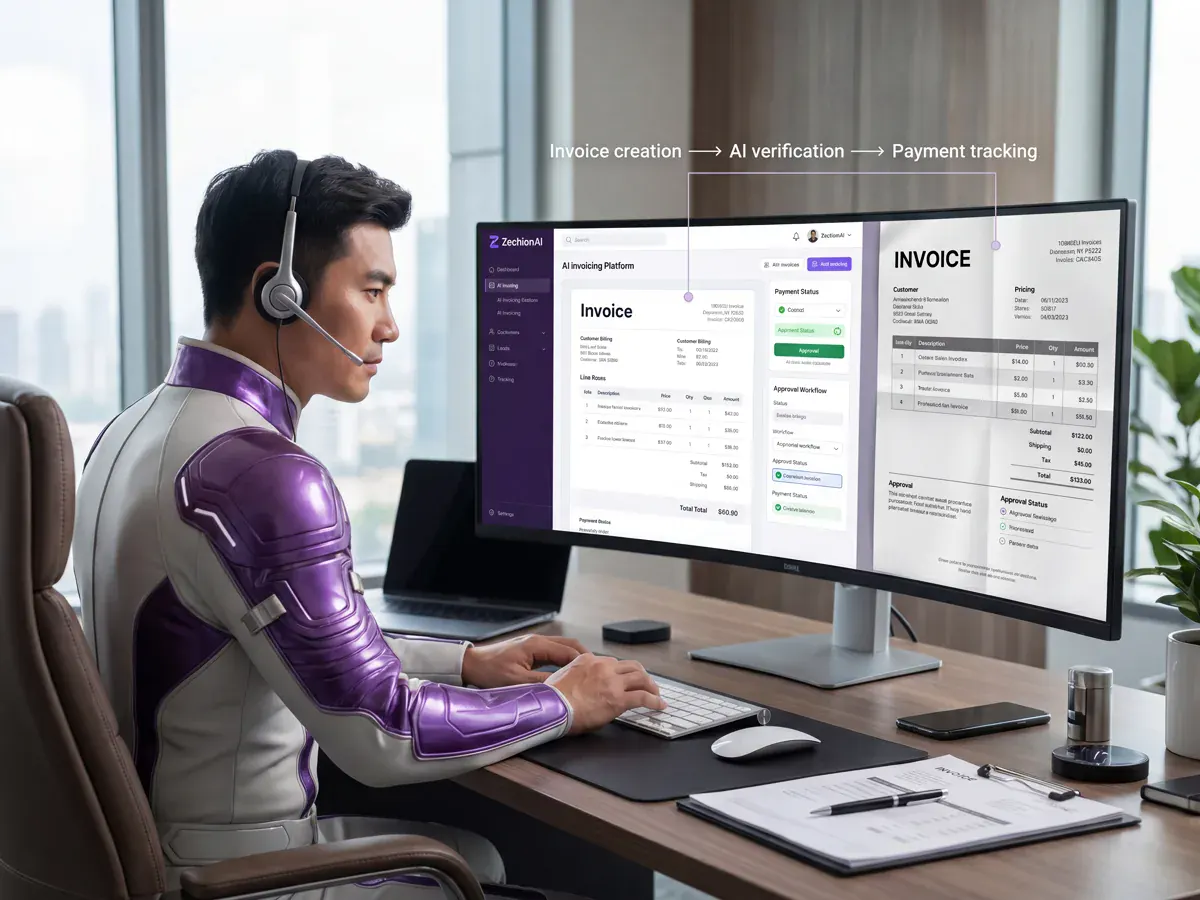
- Average handling time
- First-response time
- Resolution time
- Ticket routing accuracy
- Escalation volume
- Repeat contacts
- Agent adoption
- Knowledge retrieval usage
- QA review coverage
- Customer sentiment trends
- Backlog volume
- SLA-risk cases
- Automation rate
- Human handoff rate
The right KPIs depend on the business model of the organization.
Choosing a successful AI program means measuring both operational results and customer and agent experience.
Engagement Models
- 01
AI Discovery & Strategy
For organisations that require and opportunity assessment and implementation roadmap with AI.
- 02
Pilot Project
For testing a specific customer-service scenario.
- 03
AI Workflow Implementation
For organisations that are ready to deploy a particular automation.
- 04
AI Integration Project
To integrate AI functionalities into current customer-service platforms.
- 05
Managed AI Optimization
To constantly monitor, improve and refine.
- 06
Enterprise AI Program
For organisations with multiple AI workflows in teams, channels or business units.
What does ZechionAI not deliver?
Transparency in technology capabilities and limitations is essential for responsible AI.
ZechionAI does not promise:
- Eliminating human agents
- Perfect sentiment detection
- Perfect AI responses
- Guaranteed cost savings
- Guaranteed customer satisfaction
- Guaranteed revenue improvement
- Automatic regulatory compliance
- Zero implementation effort
The compatibility of the software with all platforms.
A complete customer interaction management system that operates on its own.
Effective use of AI involves:
Effective data, effective workflows, integration, governance, human watch and continuous improvement.
AI services for BPO & Customer Service Centers
- AI Agents & Autonomous AIAI Agents Built Around Real Business Workflows, Data, Tools, and Outcomes
- Sentiment AnalysisConduct in-depth customer feedback, conversations, and reviews to derive actionable sentiment intelligence.
- RAG SystemsYour organisation has knowledge that is valuable. It can appear in documents, databases, policies, contracts, websites, technical manuals, CRM, research files and internal applications.
- AI Chatbot DevelopmentBuild AI-Powered Conversations That Help Your Business Serve, Sell, and Scale
 AI Security, Governance & ComplianceSecure AI. Govern AI. Deploy AI Responsibly.
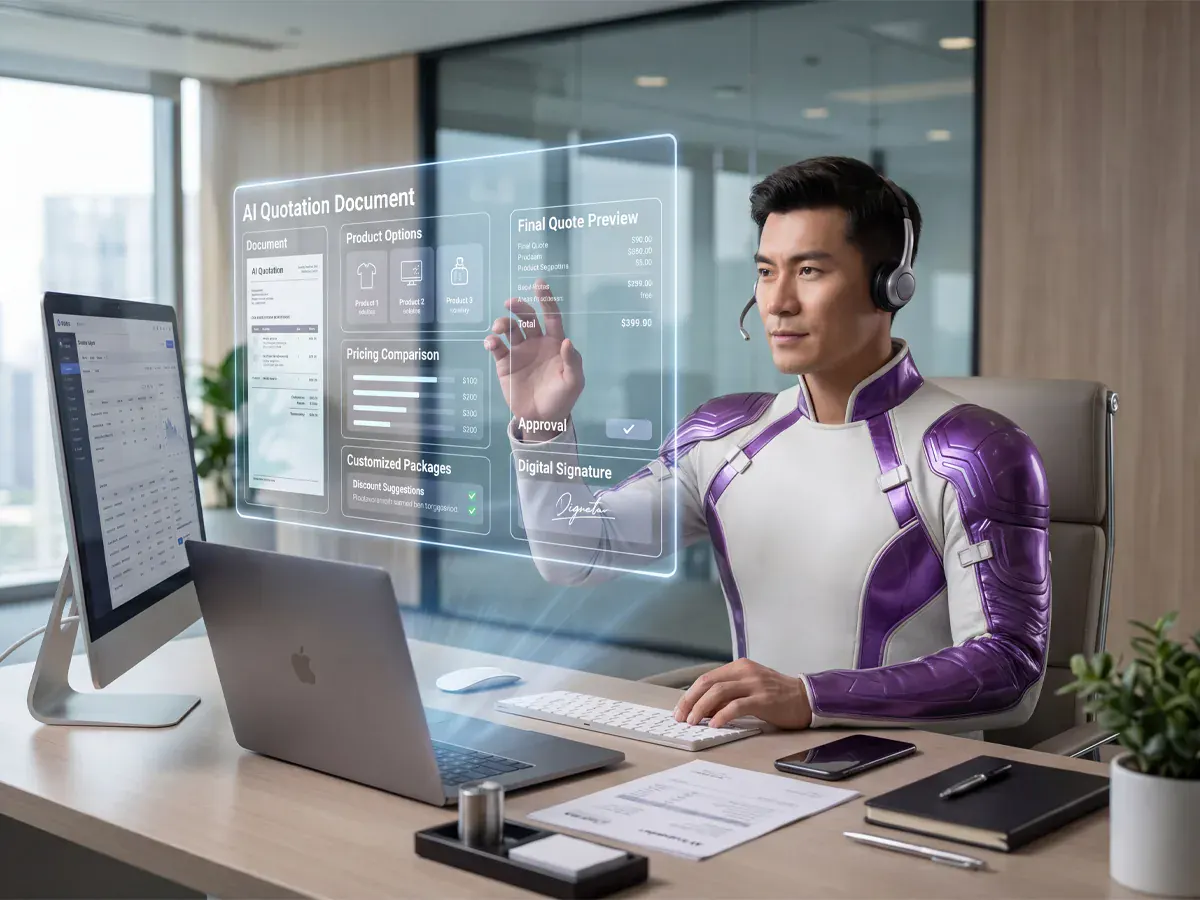 Intelligent AutomationAutomate Repetitive Work. Connect Your Systems. Improve How Your Business Operates.
 Managed AI ServicesKeep your AI running at peak performance — 24/7.
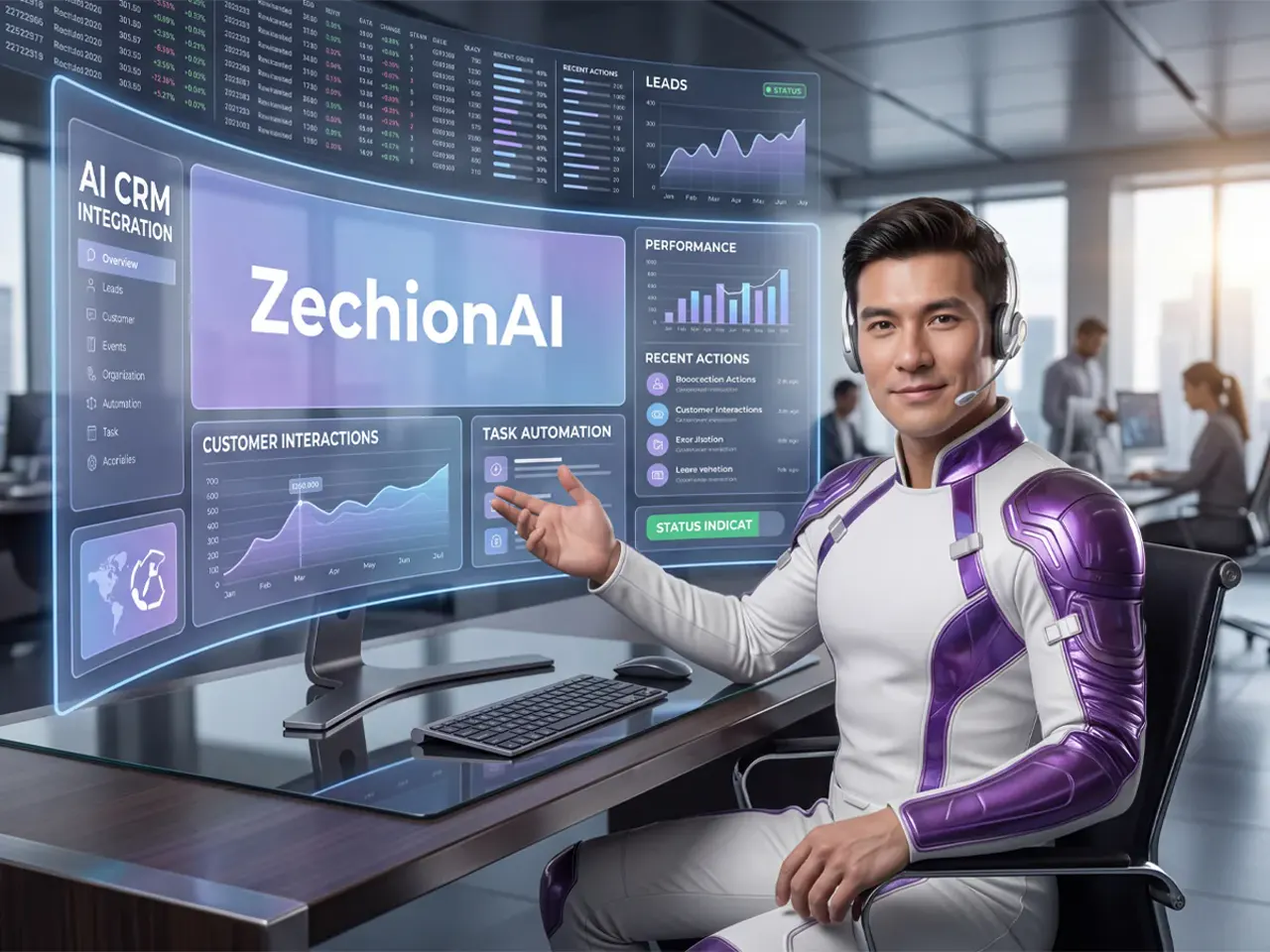 AI-Powered CRM IntegrationConnect Your CRM, Customer Data, AI, and Business Systems
BPO customer-service AI uses machine learning, language models, automation, retrieval, analytics, and related technologies to assist with customer interactions and operational workflows. Examples include ticket classification, routing, agent assistance, summarization, sentiment analysis, QA support, knowledge retrieval, and reporting.
AI analyzes incoming tickets or messages to identify information such as topic, intent, priority signals, language, sentiment, and potential routing requirements. The resulting recommendation can be combined with business rules and human review.
Yes, in appropriately controlled workflows. AI can classify a ticket and recommend or execute routing based on predefined rules, permissions, and system capabilities. High-risk or ambiguous cases can be sent for human review.
AI can recommend priority using configured signals such as urgency, customer language, service impact, or business rules. Organizations should determine how those recommendations affect actual queue priority.
Sentiment analysis uses AI to interpret language and interaction signals and classify them into categories such as positive, negative, neutral, frustrated, or concerned. It is an analytical signal rather than a definitive measurement of emotion.
Accuracy varies according to language, context, data quality, domain, model, and evaluation methodology. Organizations should test sentiment performance using representative interactions rather than assuming a universal accuracy level.
Yes. AI can classify what a customer appears to be trying to accomplish, such as requesting a refund, reporting a technical problem, checking an order, or changing account information.
An agent-assist system provides AI-generated information or recommendations to a human service representative. It can retrieve knowledge, summarize conversations, suggest responses, identify next steps, or organize customer context.
Yes. AI can draft response options based on the conversation and approved knowledge sources. Agents should review customer-facing responses before sending them when human approval is required.
Yes, where the required interaction data is available and the implementation supports the relevant channel. AI can create structured summaries covering the issue, request, actions, status, and next step.
Yes. AI can be connected to approved knowledge sources and configured to retrieve relevant information. Access should respect organizational permissions.
RAG, or retrieval-augmented generation, combines information retrieval with AI generation. The system retrieves relevant content from approved sources and provides that context to the AI model when producing an answer or recommendation.
Potentially. Integration depends on the CRM's APIs, documentation, permissions, authentication methods, data structure, security requirements, and technical feasibility.
Potentially. AI can connect with ticketing systems through supported APIs, webhooks, middleware, or other approved integration methods.
Potentially. The architecture depends on the contact-center platform, available interfaces, interaction data, security requirements, and intended use case.
Yes. AI can classify, summarize, identify intent, recommend routing, detect potential escalation signals, and draft responses.
Yes. AI can provide knowledge retrieval, response suggestions, conversation summaries, and workflow recommendations during live chat where the technical environment supports it.
It can identify configured signals that may indicate a need for escalation, such as repeated complaints, unresolved interactions, cancellation language, or explicit requests for a supervisor.
AI can assist QA through interaction sampling, criteria checks, summaries, potential policy deviations, and scoring assistance. Human QA oversight can remain part of the process.
Yes. AI can identify patterns such as recurring knowledge gaps, repeated explanations, escalation patterns, or process deviations that supervisors may use during coaching.
Yes. AI can group and analyze complaint language across tickets, conversations, surveys, and other approved sources.
Yes. It can categorize feedback, identify recurring themes, detect sentiment signals, and help identify emerging issues.
AI can identify questions that repeatedly require manual research, topics with poor knowledge coverage, or areas where agents frequently seek assistance.
AI can assist with language detection, translation, multilingual classification, knowledge retrieval, and customer support. Quality should be evaluated separately for the languages and use cases involved.
Yes. AI-generated analytics can be incorporated into operational dashboards showing trends such as ticket volume, intent, escalation, sentiment, contact drivers, and workflow performance.
Reducing repetitive manual tasks is one of the practical applications of customer-service AI. Examples include summarization, classification, knowledge lookup, drafting, and routine workflow support.
ZechionAI's approach is not based on replacing the customer service workforce. AI can support agents by reducing repetitive work and providing better access to information while humans remain responsible for appropriate customer interactions and decisions.
Human review can be introduced at specific workflow points. For example, an AI system can classify a case, prepare a response, and then require an agent to review and approve the final communication.
Controlled AI agents can perform approved actions when the required tools, permissions, authentication, and safeguards are available. Action permissions should be limited according to the workflow's risk.
Controls can include authentication, authorization, tool restrictions, approval steps, logging, monitoring, rate limits, defined workflows, escalation rules, and restricted access to sensitive information.
It can be designed to process sensitive information in appropriate architectures, but the specific requirements depend on the data, industry, jurisdiction, systems, vendors, contracts, and security controls.
Organizations should consider access controls, encryption where supported, secure integrations, data minimization, segregation, logging, retention policies, permissions, and other applicable security measures.
No blanket compliance claim should be made. Regulatory and contractual requirements depend on the customer's industry, geography, data, systems, and implementation. Specific requirements should be assessed as part of the project.
Implementation time varies according to scope, integrations, data readiness, security requirements, workflow complexity, testing, and deployment requirements. A focused pilot can generally be scoped separately from a larger enterprise program.
Yes. A focused workflow such as ticket classification, summarization, or knowledge retrieval can be evaluated before expanding into broader automation.
Potentially. ZechionAI follows an integration-first approach and evaluates existing systems before recommending replacement. Technical feasibility depends on available APIs, permissions, documentation, and architecture.
The available options depend on the platform and use case. Alternatives may include supported exports, middleware, approved interfaces, file-based workflows, or other technical approaches. The platform's terms and security requirements must be respected.
Yes. Approved SOPs can potentially be incorporated into knowledge retrieval, workflow rules, agent assistance, and other AI capabilities.
Yes. ZechionAI can scope custom AI applications around specific workflows, data sources, user roles, interfaces, integrations, and operational requirements.
Monitoring can include technical metrics, usage patterns, error analysis, human feedback, quality reviews, retrieval performance, classification performance, escalation behavior, and operational KPIs.
Success should be measured against an established baseline and relevant operational objectives. Potential measures include handling time, routing performance, resolution time, adoption, automation rate, quality coverage, backlog, and customer experience indicators.
Yes. AI can support interaction sampling, summaries, policy checks, QA scoring assistance, trend identification, and coaching insights.
AI can identify cases that appear to be approaching configured SLA thresholds and surface them for operational attention when the necessary timing and ticket data are available.
Yes. AI can assist internal service desks with ticket classification, knowledge retrieval, employee questions, summarization, routing, and workflow support.
Yes, provided the data can be accessed appropriately and processed under applicable security, privacy, contractual, and retention requirements.
AI can identify recurring customer or issue patterns when sufficient historical data and identifiers are available and their use is permitted.
AI can identify signals such as cancellation requests, recurring complaints, or dissatisfaction patterns and route them to approved retention workflows. It should not make unsupported assumptions about a customer's intentions.
Yes. AI can help summarize operational data and generate structured reports, provided the underlying data is available and the output is appropriately validated.
Outsourcing can provide access to specialized AI engineering, integration, automation, analytics, and architecture capabilities without requiring the BPO to build every capability internally.
ZechionAI approaches BPO AI as an engineering and operational problem rather than simply a chatbot project. The focus is on practical automation, integration, agent assistance, controlled AI agents, knowledge systems, analytics, security considerations, and human accountability.
Make Your Customer Service Operation Easier to Support
AI can help BPOs and customer service organizations organize incoming work, support agents, surface knowledge, identify customer-service patterns, assist quality teams, and automate approved workflows.
Talk to Zech, live