
Voice AI & Speech Recognition Solutions
Create more intelligent Voice Experiences that capitalize on people, data, and business processes.
Talk to Zech, live
- Voice AI Strategy & Consulting
- Speech-to-Text & Transcription
- Conversational Voice AI
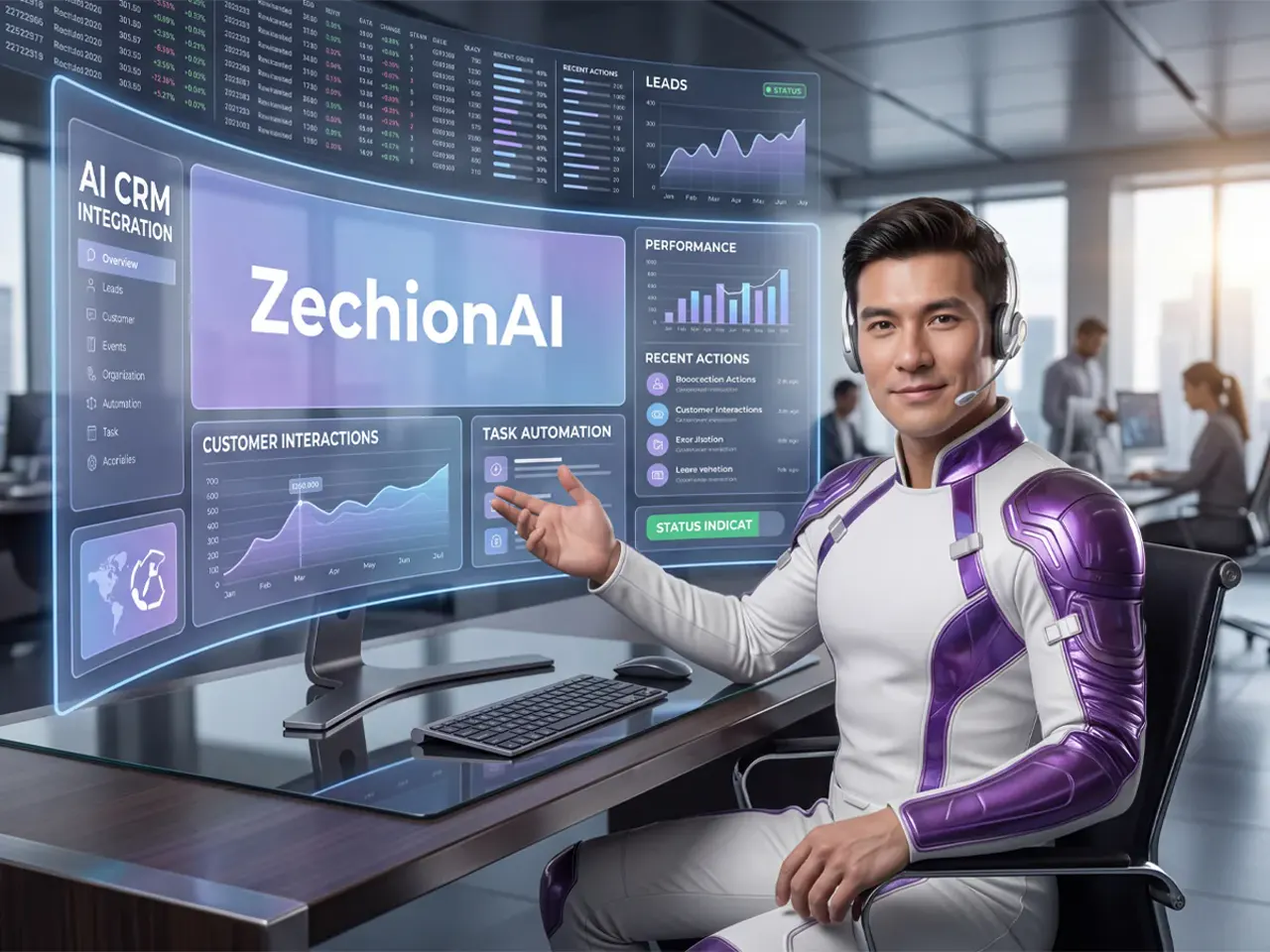
Voice is increasingly emerging as a viable customer service and business communications channel and face of accessibility and automation. Voice is increasingly making an accessible, usable, and practical interface for customer service, employee productivity, accessibility, and business automation. ZechionAI supports organizations to design, develop, integrate, deploy, and manage Voice AI and Speech Recognition solutions that are relevant to their real business processes, and not technology demos.
Overview
Whether it's AI voice agents, intelligent contact centers, speech to text, multilingual voice experiences, conversation intelligence, or enterprise workflows, we enable businesses to use their spoken interactions to create meaningful outcomes.
Creating a voice experience built around your business: Yes, custom designed voice experiences to support your workflow, system, users, and business needs.
- Integration-first: Integrate voice solutions into CRM, ERP, telephony, contact-center, scheduling, knowledge, and enterprise systems.
- Human-centered: Automate all but sensitive, high-risk, and complex interactions; leave human escape/authority for sensitive, high-risk, and complex interactions.
Construct Your Voice AI Solution
Architectural Engineering That Other Engineers Can Understand!
The capabilities of voice AI are expanding well beyond the ability to answer simple questions. Current voice solutions can listen, infer meaning, locate information, carry out the approved action, communicate naturally, and transmit context to the business system or human workers.
ZechionAI offers businesses ways to leverage such capabilities where they can realize tangible value.
- 01
Customer Experience
Implement ways to provide conversational access to information, appointment booking, order checks, reservations, and correct department access for customers.
- 02
Contact-Center Automation
Auto-route dialogues to automation for the right tasks and provide human agents with summaries, context, transcription, and conversation intelligence.
- 03
Employee Productivity
Empower staffers to control information, retrieve knowledge, finish workflows, and communicate with business systems using natural voice control.
- 04
Documentation & Transcription
Turn conversations, meetings, calls, interviews, dictation into structured and searchable data.
- 05
Accessibility & Inclusion
Create voice-enabled experiences that can make digital services easier to access and interact with.
- 06
Multilingual Communication
Facilitate customers and employees in multiple languages, where supporting languages with the required speech and translation technology is suitable based on the use case.
Voice AI & Speech Recognition – Definition & Use Cases
Voice AI is a term for an AI-driven system that utilizes speech as the medium for communication, information retrieval, decision-making, and business workflow.
Speech recognition is the process of turning spoken audio into machine-readable information by using technology. AI-driven chatbots are becoming the modern answer to the challenges and can integrate seamlessly with speech recognition, natural language understanding, business rules, APIs, and workflow automation.
An example of an enterprise voice workflow is:
- Voice Input
- Speech Recognition
- AI/NLU/LLM (Natural Language Understanding/Speech to Text)
- Business Logic
- System Integration
- Voice Response
- Analytics
An example of which a customer could say would be:
I'd like to have my appointment moved to Tuesday afternoon.
Can recognize the intent; can know the correct date and time; could verify with an authorized scheduling system; would list choices; would inform the user of the changes made back to the scheduling system; validate through voice the changes made to the scheduling system.
That experience can be based on the architecture of:
This technology is known as Automatic Speech Recognition (ASR).
- Natural Language Understanding or NLU:
- Large Language Models (LLMs)
- A method for finetuning the LLM to enhance its instructions with evidence from specific texts, when relevant, is called Retrieval-Augmented Generation (RAG).
- Text-to-Speech (TTS)
- Conversation orchestration
- APIs and business systems
- Authentication and authorization
- Analytics and monitoring
- Human escalation
The architecture you need is dependent on the use case, sensitivity to data, latency, voice channel, security requirements, integration environment, language, etc., and the level of complexity in operation.
Why Businesses Are Investing in Voice AI in 2026
Organizations are transitioning beyond chatbots and wondering how AI can support real customers and employees.
Voice is important in the case of people when they:
- Calling rather than typing
- Working hands-free
- Working in the field
- High call volumes with proper management.
For those who like to speak, offering customer service.
- Supporting multiple languages
- Documenting conversations
- Contact center job tasks.
- Managing repetitive tasks like phone communications
Practical drivers include:
- Higher service expectations: Customers are growing increasingly receptive to a digitally-reliant approach that offers them more expired-by-the-clock and more conversational interactions on all channels, be it digital or voice.
- Contact-center efficiency: With the number of calls growing rapidly, organizations are turning to practical solutions to manage every call without a corresponding rise in staffing.
- Workforce productivity: For example, write-free environments are one area where voice user interfaces can ease repetitive and data entry tasks.
- Multilingual service requirements: It can be helpful for some organizations serving a diverse group that have more flexible language experiences throughout the year.
- Accessibility: Thus, there is a need to allow for another interaction channel for people who might find traditional interfaces hard to use as well.
- Conversation intelligence: Calls hold operational, customer, and quality data which can be hard to capture and analyze when done by hand at scale.
- Enterprise AI adoption: Rather than standalone AI demonstrations, organizations are increasingly integrating AI capabilities to their systems.
ZechionAI envisions Voice AI as an operational technology project and treats it as such—define the use case, develop the experience, put the required systems in place, put appropriate controls in place, and monitor performance.
Our AI Solutions for Voices & Speech Recognition
12 services
Voice AI Strategy & Consulting
The business problem is the starting point for a successful Voice AI, before the voice model.
What We Can Help With
- Voice AI opportunity assessment
- Voice use-case discovery
- AI readiness assessment
- Conducting voice AI roadmap development.
- Developing a voice AI roadmap.
- The science of technology and technology choice.
- Architecture planning
- Business-case development
- Planning for ROI & KPIs
- Pilot planning and proof of concept planning
- Conversational experience design
- The issues of security and privacy planning.
- Governance strategy
- Enterprise adoption planning
ZechionAI assists organizations in rapidly determining the potential areas for voice to become more impactful and in mapping out a realistic journey from opportunity to action.
Business Benefits
- Prioritize high-value opportunities
- Reduce unnecessary experimentation
- Ensure technology is harmonized with business processes
Set the following realistic launch steps:
- Outline quantifiable success measurements
- Get ready for integration and governance needs.
Example Use Cases
- Assessing the effectiveness of an AI receptionist
- Assessing contact-center automation
- Designing for the voice customer service experience.
- Creating a voice interface to help the staff member.
- Evaluating multilingual support
- Creating a roadmap for implementing a transformation strategy through voice AI.
Ideal For
Companies that are aware of the potential of voice AI may be an asset but are struggling with how to get started, what to develop, and how to go over the TRLs in a responsible and responsible manner.
Speech-to-Text & Transcription
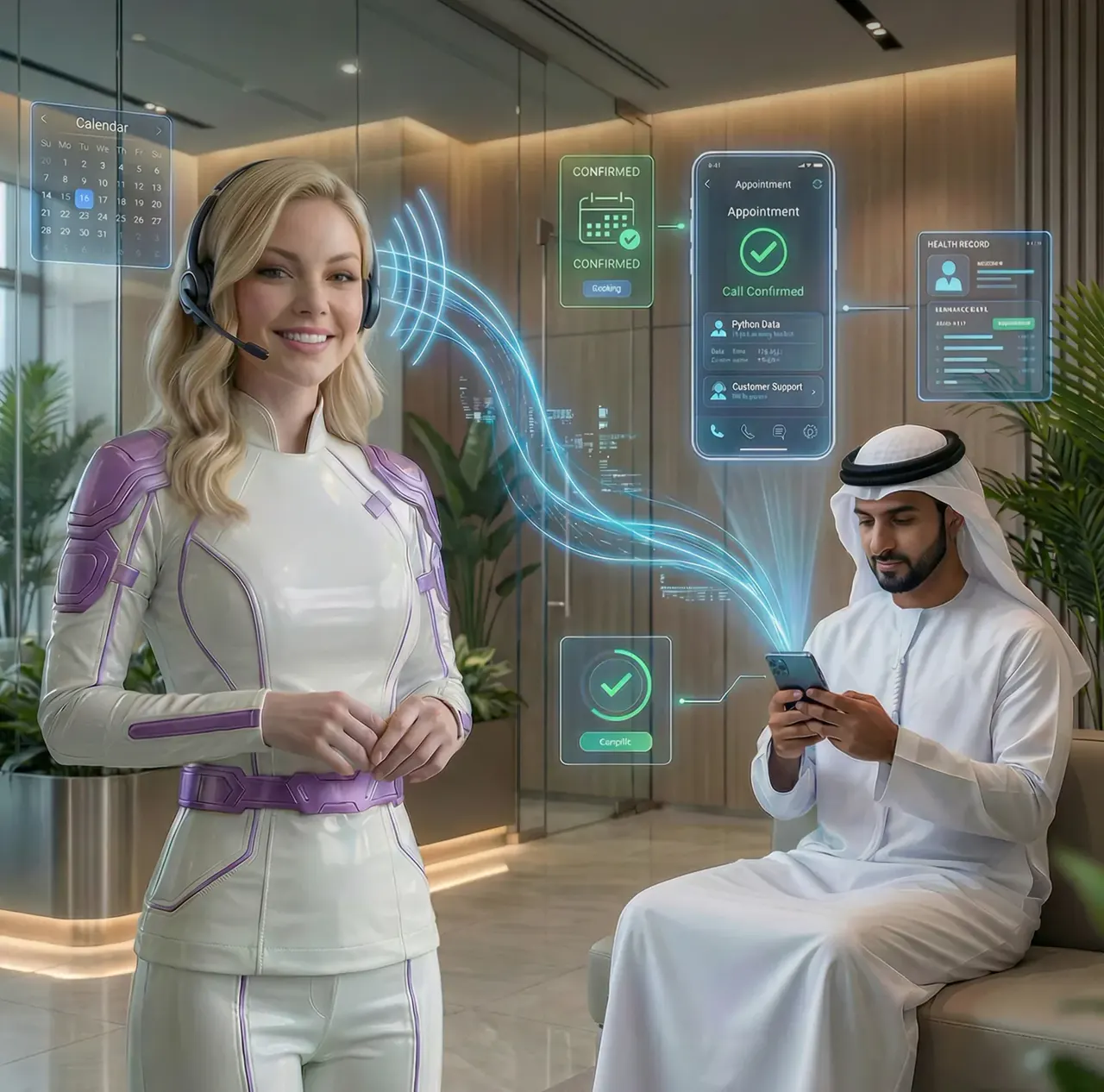
Convert spoken conversations into searchable, analyses, and usable information.
Capabilities
- Real-time transcription
- Batch transcription
- Call transcription
- Meeting transcription
- Medical transcription workflows
- Legal transcription workflows
- Interview transcription
- Customer-service transcription
- Voice-note transcription
- Document dictation
- Timestamping
- Separation of speakers and diarization
- Custom vocabulary
- Domain-specific terminology
- Transcription quality workflows
ZechionAI can be of great aid to deployment of Speech to Text solutions to speech-to-text real-time and recorded audio in an adequate business setting.
Common Applications
- Contact-center records
- Meeting documentation
- Clinical dictation
- Legal interviews
- Field reporting
- Customer research
- Internal communications
- Voice notes
- Xcode's compliance and quality workflows.
Accuracy Considerations
The recognition performance of speech recognition systems can change according to the following factors:
- Background noise
- Microphone quality
- Accents
- Dialects
- Domain terminology
- Multiple speakers
- Audio compression
- Speaking speed
- Overlapping conversations
- Real-time latency requirements
If transcribing particular workflows, sample the audio from a representative environment.
Text to Speech & AI Voice Generation
Develop Natural Voice experiences for app/assist/Contact Center, accessibility, and communications automation.
Capabilities
- Neural text-to-speech
- Natural AI voices
- Voice selection
- Voice personalization
- Multilingual speech
- Conversational prosody
- IVR voice generation
- Customer-service voices
- Accessibility applications
- Voice-enabled applications
- Dynamic spoken responses
Organizations can rely on ZechionAI to match user requirements and make the right decisions, selecting suitable neural TTS technologies, leveraging voice qualities, language, latency, use cases, and governance requirements.
Potential Applications
- AI receptionists
- Virtual assistants
- Interactive voice response
- Customer notifications
- Accessibility interfaces
- Product assistants
- Voice-enabled applications
- Automated information services
Voice generation should also be controlled appropriately, specifically if a familiar voice is likely to be used. Before deploying, the following issues should be addressed: Display of voice, authorization for voice use, consent requirements, and security/context considerations regarding disclosure.
Voice Agents for AI Voice IVR Systems
Create conversational AI bots that interact with customers, humans, and systems.
Voice Agent Applications
- Customer-service agents
- AI receptionists
- Appointment agents
- Scheduling agents
- Sales assistants
- Lead qualification
- Follow-up calls
- Support agents
- Internal employee assistants
- Information assistants
- Reservation agents
- Notification workflows
Within different contexts, a voice bot can find out information, ask info about the interaction, trigger information gathering, execute permitted actions, and transfer to humans.
Enterprise Connections
Voice agents can potentially connect with:
- CRM platforms
- ERP systems
- Scheduling systems
- Contact-center platforms
- Knowledge bases
- Databases
- APIs
- Business applications
- Workflow systems
The Agent's action must only be within his or her permission, business rules, integrations, governance, and only when he/she has the right permissions.
Conversational Voice AI
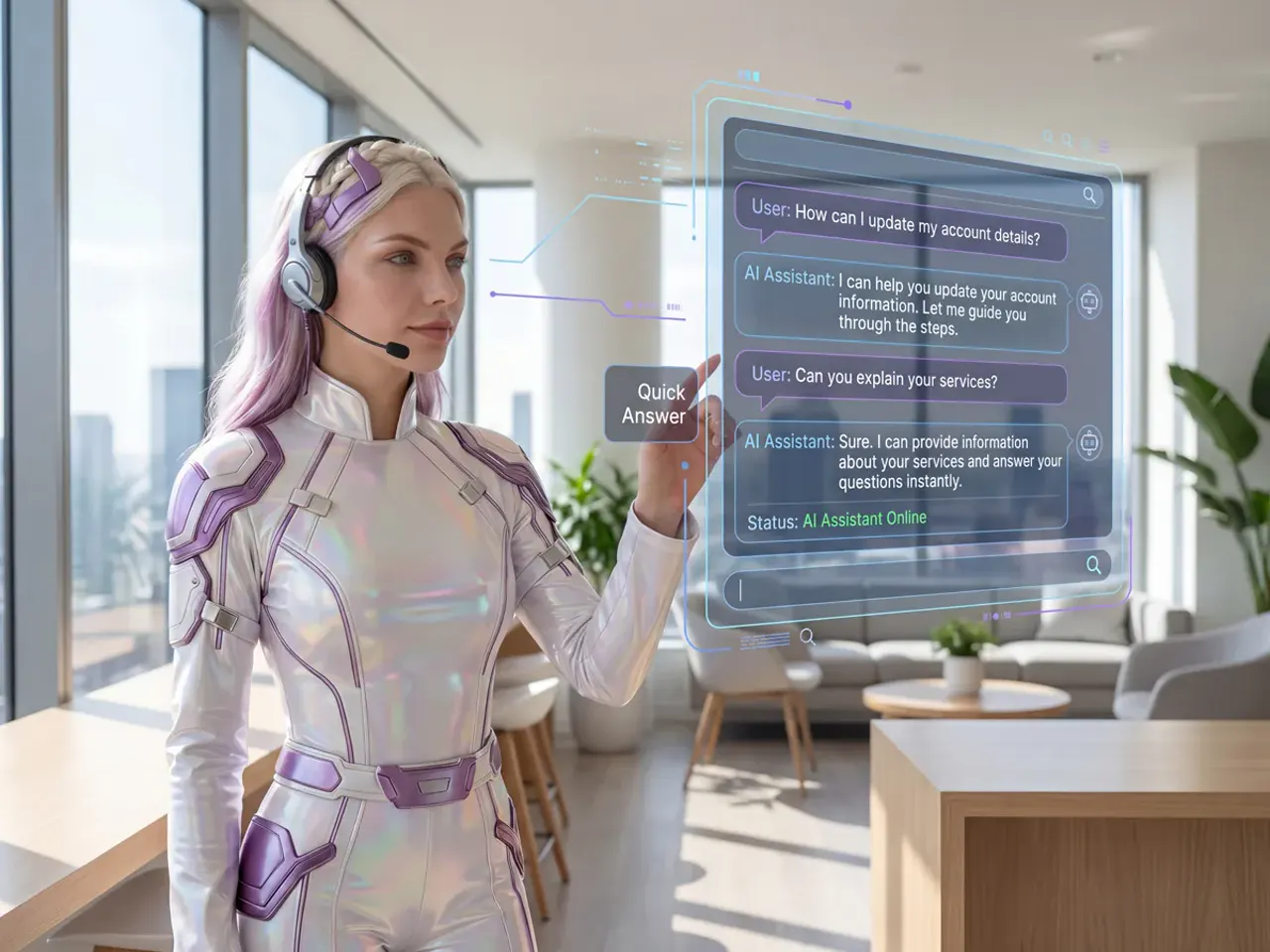
To be a useful voice agent, a machine can't just be a computer with speech recognition and a pro-sounding voice. It must support a conversation architecture based on actual customer or employee journey.
With ZechionAI you can design voice interactions around:
- Intent recognition
- Multi-turn conversations
- Context awareness
- Dynamic responses
- Use conversation memory where appropriate.
- Knowledge retrieval
- Business rules
- Workflow execution
- Authentication
- Human escalation
- Exception handling
- Confirmation steps
Why it is crucial to take part in a conversation about design.
A customer isn't concerned with API calls or database fields. They communicate naturally.
Translation in such a voice context therefore requires mapping between natural language and structured business actions whilst dealing with ambiguity and exceptions.
For instance, a scheduling workflow can require the following to do:
- Identify the appointment request.
- Authenticate customer as appropriate.
- Identify the service.
- Retrieve availability.
- Present appropriate options.
- Confirm the appointment chosen.
- Modify the scheduling system.
- Provide confirmation.
- Escalate if the request is not per defined rules.
Placing a bet on designing a better voice conversation.
Speech Recognition & Speaker Intelligence
Learn to find useful information from audio and conversations beyond the level of simple transcription.
Capabilities
- Speech recognition
- Speaker identification
- Speaker diarization
- Voice activity detection
- Speaker analytics
- Intent detection
- Keyword detection
- Conversation segmentation
- Audio intelligence
- Where appropriate, include so-called 'sentiment' or 'emotion' type indicators
The assessment of the speaker and emotional analysis must be considered with caution due to variation of the audio quality, language, context, and population. These technologies should not be considered as trusted identifiers of identity, purpose, or feeling.
Applications
- Contact-center analytics
- Meeting analysis
- Quality assurance
- Conversation classification
- Speaker attribution
- Operational intelligence
- Customer experience analysis
Voice Biometrics & Authentication
Voice can be part of the identity verification and authentication process.
Capabilities
- Speaker verification
- Voice-based authentication
- Identity verification workflows
- Risk-based authentication
- Contact-center authentication
- Fraud-prevention signals
- Step-up authentication workflows
ZechionAI products can be used to assess and incorporate voice-based identification strategies as needed.
Security is of paramount importance. Security is a top priority.
Voice biometrics shouldn't be perceived as a stand-alone security measure.
Modern versions should take note of:
- Replay attacks
- Spoofing
- Synthetic voices
- Deepfake audio
- Consent
- Privacy
- Credential protection
- Risk scoring
- Multi-factor authentication
- Regulatory requirements
- Secure enrollment
Instead of being used standalone, voice verification can be used in conjunction with other authentication factors in higher-risk applications.
Voice (AI) Analytics & Conversation Intelligence
Here important business info can be imparted to every discussion.
Capabilities
- Call analytics
- Conversation analytics
- Sentiment analysis
- Intent analysis
- Topic detection
- Keyword analysis
- Agent performance analysis
- Customer experience analysis
- Compliance monitoring
- Quality assurance
- Call summaries
- Action-item extraction
- Conversation trend analysis
- Business intelligence
ZechionAI unlocks voice interactions by providing structured intelligence to benefit customer experience, operations, quality, sales, and management.
A few example questions to use voice analytics to answer:
- What are people calling about?
- What are the most common escalations?
- What's taking the most time for agents?
- What are items that are getting more abundant?
- When do conversations need to be revisited?
- What is not being addressed well?
- What does customer journeys need to be fixed?
AI Contact Center & Call Automation
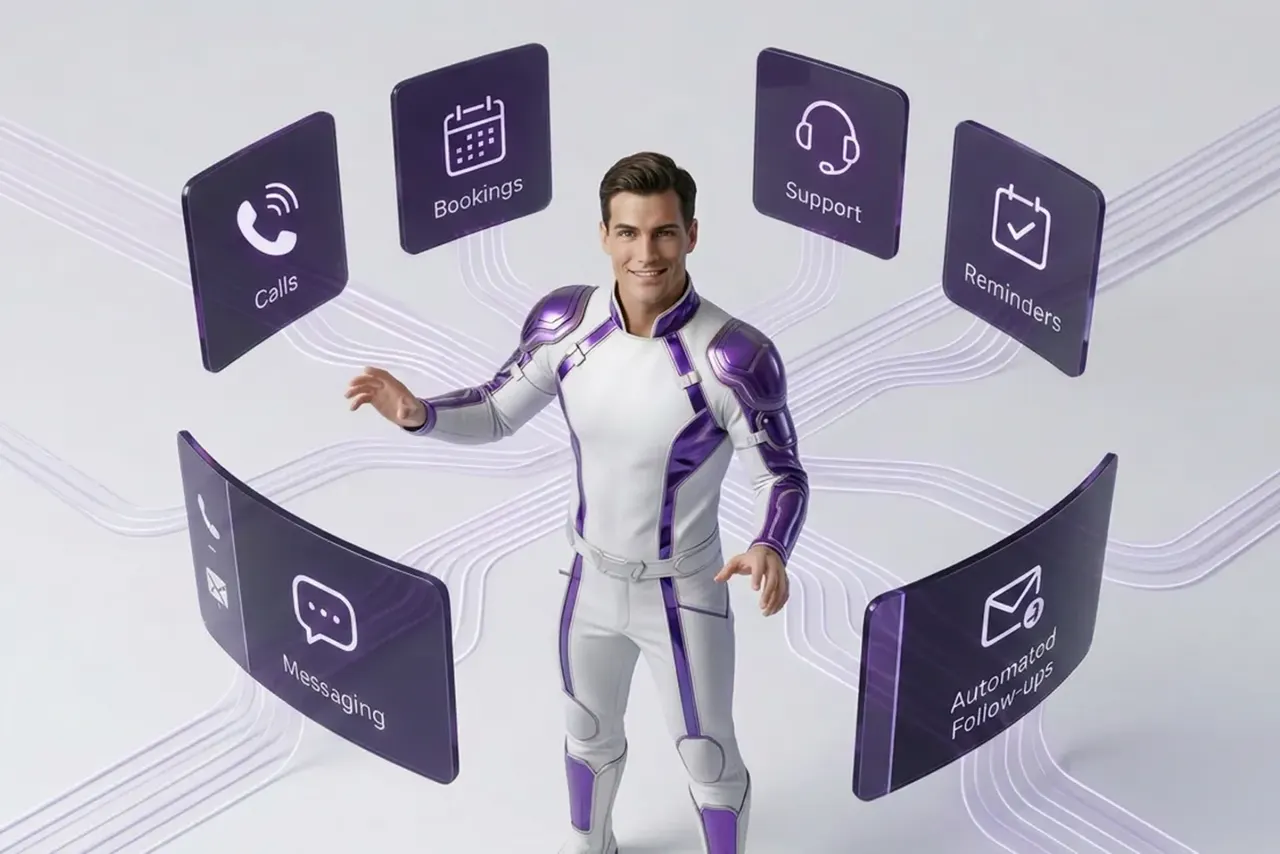
Voice AI is not a panacea to replace human agents; it can be a part of a larger contact-center strategy.
Capabilities
- AI-powered call handling
- Intelligent IVR
- Conversational IVR
- Call routing
- Automated inbound calls
- Automated outbound calls
- Appointment calls
- Reminder calls
- Customer support
- Call summarization
- Agent assist
- Human escalation
- After-call automation
- Quality assurance
- Contact-center analytics
ZechionAI can support designing contact-center workflow designs with AI voice agents, intelligent routing, AI agent assistance, AI transcription, contact-center analytics, and human escalation.
Example Workflow
- Customer Call
- AI Greeting
- Intent Recognition
- Authentication
- Knowledge/Business System
- Action
- Confirmation
- Human Escalation When Needed
- Summary & Analytics
The intent is not to automate all interactions. The aim is to implement the right interactions and make it a more pleasing experience for customers and human agents.
Multilingual & Voice Translation
Deliver print-free, voice-enabled experiences in the languages and operating systems that are important to your organization -- and to your customers and employees.
Capabilities
- Multilingual voice assistants
- Speech translation
- Real-time translation
- Multilingual customer support
- Cross-language communication
- International customer service
- Accessibility experiences
The availability and quality of languages varies depending on the technology provider, language, dialect, accent, and use case. This should be tested using representative users and audio for production deployments.
Potential Applications
- Customer service
- Public services
- Hospitality
- Healthcare access
- Travel
- International sales
- Global support
- Multilingual contact centers
Industry-specific Applications for Voice AI
When voice AI has the context and knowledge of a particular sector, industry-specific terms, workflows, customers, and constraints, it's more useful.
ZechionAI can customize voice solutions around:
- Industry terminology
- Customer journeys
- Business rules
- Existing systems
- Data environments
- Security requirements
- Compliance considerations
- Language requirements
- Human escalation procedures
Whether it's in a healthcare system, a financial-services institution, a transport application, a hotel booking service, or even a government information system, the implementation should be appropriate to the background in which the technology is used.
Activity: Talk about your industry use case.
Education & Outreach Initiatives

Voice AI adds more value by integrating into the systems that do business.
Integration
- APIs
- SDKs
- CRM platforms
- ERP platforms
- Contact-center systems
- Telephony
- Databases
- Cloud platforms
- Enterprise applications
- Scheduling systems
- Knowledge bases
- Workflow platforms
- Data warehouses
We are able to build integrations with:
Security
Enterprise voice solutions can include:
- Encryption
- Secure API communication
- Authentication
- Authorization
- Access controls
- Data minimization
- Logging
- Monitoring
- Retention policies
- Privacy controls
- Secure API architecture
- Governance
Enterprise Automation
Voice interactions can spawn authorized business workflows like:
- Creating a CRM record
- Scheduling an appointment
- Reverting back to a service request where information has been updated.
- Retrieving account information
- The user can compose a support ticket and share it with others.
- Sending a notification
- Initiating a workflow
- Escalating a customer interaction
All actions must have proper permissions, validation, and business rules.
ZechionAI designs the technology architecture around the specific requirements of each project
| Layer | Potential Technologies & Components |
|---|---|
| Voice Layer | Microphones, telephony, SIP, web/mobile voice interfaces, contact-center channels |
| Speech Layer | ASR, TTS, speaker recognition, diarization, translation |
| Intelligence Layer | LLMs, NLP, NLU, intent detection, retrieval, conversation orchestration |
| Business Layer | APIs, CRM, ERP, databases, knowledge bases, workflow automation |
| Governance Layer | Security, privacy, monitoring, analytics, logging, human oversight, compliance controls |
Business Benefits of Voice AI

A Purposeful Voice Artificial Intelligence Solution Can Assist Businesses:
Reduce Repetitive Workloads
Automate relevant repetitive discussions and processes.
Improve Response Times
Make immediate replies for supported requests without having to ask each time for a human agent.
Increase Contact-Center Productivity
Automate transcription and summaries, route to support agents, and retrieve knowledge and enable AI-assisted workflows.
Improve Documentation
Capturing information from spoken word into structured, organized data and eliminating the need for manual note-taking.
Support Accessibility
Make Voice an alternative method for customers to engage services and applications.
Serve Multilingual Audiences
Develop cross-linguistic Aboriginal voice products, involving the quality of the technology according to the language and application.
Improve Customer Engagement
Develop engaged and engaging customer experiences.
Scale Operations
Handle more interactions without having to deal with each one by hand.
Capture Conversation Intelligence
Listen to and review conversations and derive themes about issues, customer needs, operations, and opportunities for improvement.
Allow for expanded service access
Understanding the points of interaction that can be handled by an AI voice system outside the regular business hours, and knowing where to get them escalating and how to design the service to respond to them.
Voice AI Use Cases
Customer Experience
- AI receptionist
- Customer service
- Appointment scheduling
- FAQs
- Order tracking
- Reservations
- Customer notifications
Sales
- Lead qualification
- Outbound calling
- Follow-ups
- Sales assistants
- Product recommendations
- Appointment setting
Operations
- Workflow automation
- Employee assistants
- Voice commands
- Field reporting
- Scheduling
- Operational documentation
Contact Centers
- Intelligent IVR
- Call routing
- Agent assist
- Call summaries
- QA automation
- Conversation analytics
- Documentation
- Dictation
- Transcription
- Meeting notes
- Clinical documentation
- Legal documentation
- Field reporting
Security
- Speaker verification
- Authentication
- Fraud signals
- Risk-based voice workflows
Accessibility
- Voice interfaces
- Hands-free interaction
- Multilingual support
- Assistive experiences
Industries We Serve
All industriesZechionAI creates voice solutions that meet the needs of the organization, industry, workflow, and customer journeys.
 Healthcare & Life SciencesOrganizations Hospitals & Health Systems; Physician Practices; Clinics & Medical Groups; Telehealth Providers; Pharmacies; Health Insurance Organizations; Medical Laboratories; Life Sciences Companies; Healthcare Contact Centers Voice AI Opportunities Clinical dictation; Medical transcription; Patient voice assistants; Appointment scheduling; Call automation; Patient engagement; Healthcare contact-center AI Healthcare implementations can include privacy and security-sensitive data and should be tailored to the regulatory, privacy, and consent landscape including HIPAA if appropriate.
 Banking & Financial ServicesOrganizations Banks & Credit Unions; FinTech Companies; Lending Institutions; Investment Firms; Wealth Management Organizations; Payment Companies; Mortgage Providers Voice AI Opportunities Voice banking; Customer authentication; Fraud-related signals; Loan assistance; Payment reminders; Customer-service automation; Call analytics
- InsuranceOrganizations Health Insurance Organizations; Property & Casualty Insurers; Life Insurance Companies; Auto Insurance Providers; Commercial Insurance Organizations; Insurance Brokers & Agencies Voice AI Opportunities Claims intake; Policy inquiries; Customer verification; Renewal calls; Claims-status assistants; Voice analytics; Agent assistance
 Retail & E-CommerceOrganizations Retail Chains; E-Commerce Companies; Marketplaces; Consumer Brands; D2C Businesses; Wholesale & Distribution Companies Voice AI Opportunities Voice shopping; Product discovery; Order tracking; Customer support; Returns; Product recommendations; Voice-based sales automation
 Transportation & MobilityOrganizations Ride-Hailing Companies; Limousine & Ground Transportation Companies; Fleet Operators; Logistics Companies; Public Transportation Organizations; Automotive Companies; Mobility Platforms Voice AI Opportunities Voice-enabled services; Real-time tracking; Customer support; Booking assistance
 Media, Entertainment & CommunicationsOrganizations Media Companies; Streaming Platforms; Broadcasters; Publishers; Gaming Companies; Digital Content Companies Voice AI Opportunities Voice search; Content discovery; Transcription; Accessibility; Voice interfaces; Content tagging; Audience analytics
 Human Resources & RecruitingOrganizations Staffing Agencies; Recruitment Firms; Corporate HR Departments; HR Technology Companies; Workforce Platforms Voice AI Opportunities Candidate screening; Interview transcription; Interview scheduling; Employee assistants; Onboarding automation; HR help desks
- Security & Public SafetyOrganizations Security Companies; Monitoring Services; Emergency Management Organizations; Public Safety Organizations; Critical Infrastructure Organizations Voice AI Opportunities Voice-enabled monitoring; Incident reporting; Emergency call analysis; Authentication; Alert workflows; Security operations assistance There are workflows that present a risk to public safety, and we need to pay close attention to these to assure their safety in human management, validation, and operational controls.
 Travel & AviationOrganizations Airlines; Airports; Travel Platforms; Aviation Services; Corporate Travel Companies Voice AI Opportunities Flight information assistants; Booking automation; Multilingual customer service; Passenger support; Airport information systems
 Pharmaceutical & BiotechnologyOrganizations Pharmaceutical Companies; Biotechnology Companies; Clinical Research Organizations; Medical Device Companies Voice AI Opportunities Research transcription; Field-force assistants; Medical information support; Clinical documentation; Enterprise knowledge assistants
- Nonprofits & AssociationsOrganizations Charities; Foundations; Membership Organizations; Professional Associations; Community Organizations Voice AI Opportunities Donor engagement; Member support; Information hotlines; Appointment scheduling; Surveys; Automated outreach
- Small & Mid-Sized BusinessesOrganizations Local Businesses; Professional Services Firms; Multi-Location Businesses; Startups; Growing SMBs Voice AI Opportunities AI receptionists; Appointment scheduling; Lead qualification; Customer support; Call answering; Follow-up automation; Voice-enabled sales support
The industry-specific area approach using Voice AI
Each workplace has unique voice demands.
Before recommending an implementation, ZechionAI takes into account all the components of an ecosystem.
We Evaluate
- Industry
- Business model
- Customer journey
- Call volume
- Voice channels
- Existing technology
- Data sensitivity
- Compliance considerations
- Security requirements
- Language requirements
- Integration requirements
- Human escalation requirements
They can go down a couple of paths to end up with an AI voice agent, speech-to-text workflow, contact-center improvement, voice-enabled application, employee assistant, conversation intelligence platform, or any other mix of technologies.
Voice AI Integrations
Whenever possible, voice AI should integrate with the existing technology environment.
Business Systems
- CRM
- ERP
- Customer databases
- Knowledge bases
- Scheduling systems
- Enterprise applications
Communication Infrastructure
- Telephony
- SIP
- Contact-center platforms
- Web applications
- Mobile applications
Data & AI Infrastructure
- APIs
- SDKs
- Databases
- Data warehouses
- Cloud platforms
- Genetic algorithm and machine-learning services.
Workflow Systems
- Workflow automation
- Ticketing systems
- Notifications
- Business process applications
- Event-driven systems
The condition of whether it is feasible to do integration or not will emerge from various factors, such as API availability, authentication, data access, security architecture, vendor constraints, as well as business requirements.
AI Security, Privacy & Voice AI Governance
Voice data may carry information such as personal, financial, health, business, or authentication details that are sensitive and private to the customer. Security must be considered from a design perspective during the building's construction.
ZechionAI can create voice solutions for applicable security and compliance needs.
Security Considerations
- Data encryption
- Secure API communication
- Authentication
- Authorization
- Role-based access
- Data minimization
- Retention controls
- Logging
- Monitoring
- Auditability
- Secure integrations
- Access management
Voice-Specific Considerations
- Consent for recording
- Voice-data protection
- Voice biometric security
- Replay-attack protection
- Synthetic voice and deepfake risks
- Identity verification
- Data retention
- Appropriate disclosure
Regulatory Considerations
In different scenarios and within what industry they are involved, there may be needs to be taken into account in regards to:
- HIPAA
- SOC 2 controls and expectations for vendors.
- PCI-related requirements
- GLBA-related requirements
- State privacy laws
- Accessibility requirements
- Industry-specific regulations
Implementation of technology is not a legally compliant or regulatory aspect. All organizations must have their needs validated by their legal, security, compliance, and privacy departments.
Human-in-the-Loop AI
The user-friendliest Voice AI systems recognize when to engage people.
Human escalation may be significant for:
- Complex conversations
- Sensitive situations
- Customer complaints
- Exceptions
- High-risk decisions
- Security concerns
- Regulatory requirements
- Inquiries beyond the AI's authorities
A voice agent can switch the conversation onto an appropriate employee while preserving the context of the conversation, including the customer's reason for calling, the authentication process, collected information, conversation through summary, or requested action.
This cuts back on the amount customers have to repeat and provides human employees fully comprehensive beginnings.
We offer several
We have a number of these:
- 01
Discovery & Requirements
Know the business problem, users, voice channels, operational process, systems, and security needs and desired outcomes.
- 02
Conversational Design
We engineer intents, conversations, prompts/
instructions, escalation, confirmations, exceptions, and user experiences. - 03
Prototype/use of a proof of concept
A "prototyping" approach to focused proof of concept can help you validate voice quality, latency, conversation behavior, integrations, and business feasibility before investing in a big application.
- 04
Integration & Development
We integrate the solution in relation to several APIs, CRM, telephony, contact-center, scheduling, knowledge, databases, and workflow systems.
- 05
Testing, Security & Quality Assurance
Testing can encompass accuracy of speech, conversations, the availability of edge cases, security controls, integration behavior, performance, multilingual scenarios, and human escalation.
- 06
Deployment, Monitoring & Optimization
Once deployed, the solution can be tracked and optimized with operational KPIs, conversation analytics, user feedback, system performance, and evolving business needs.
Create a Voice AI project using rules of thumb and hot fix principles.
Custom vs. Off-the-Shelf Voice AI
Not every organization needs a fully custom platform.
| Factor | Off-the-Shelf | Custom | Hybrid |
|---|---|---|---|
| Time to market | Generally faster | Generally longer | Moderate |
| Initial complexity | Lower | Higher | Moderate |
| Customization | Limited to platform capabilities | High | High where needed |
| Integration | Platform-dependent | Tailored | Selective |
| Data control | Depends on provider | Greater architectural control | Varies |
| Scalability | Often built in | Designed for requirements | Flexible |
| Maintenance | Primarily provider-led | Client/partner responsibility | Shared |
| Best fit | Standard use cases | Complex workflows | Most mixed enterprise environments |
The right approach depends on business complexity, integration requirements, security needs, budget, speed-to-market, and long-term ownership.
ZechionAI can help evaluate whether an existing platform, custom solution, or hybrid architecture makes the most sense.
Why build a team of specialists for Voice AI Development & Management for your project?
Creating a Voice AI system that is ready for production is not a simple matter of choosing an AI speech model.
It could involve conversational design, AI engineering, telephony integration, development of backend, security architecture, data engineering, testing, analytics, and continuous optimization.
ZechionAI can be an extension of technology and business team.
Practical Advantages
- Specialized AI Expertise
- Reduced Development Burden
- Faster Experimentation
- Architecture Guidance
- Integration Expertise
- Security-Conscious Implementation
- Industry-Specific Customization
- Ongoing Optimization
Why ZechionAI?
- Business-First AI Strategy
- Practical Implementation
- Custom Solutions
- Enterprise Integration
- Security-Conscious Architecture
- Human-Centered AI
- Industry-Aware Workflows
- Ongoing Optimization
SaaS-based end-to-end AI lifecycle support.
ZechionAI can serve to assist in various phases of the AI lifecycle, from strategy to proof of concept, integration, deployment, monitoring, and optimization.
Voice AI Engagement & Delivery Models
Consulting
For organizations that place a greater emphasis on:
- Strategy
- Assessment
- Architecture
- Technology evaluation
- Roadmaps
- Business-case development
- Proof of Concept
As well as to validate a particular voice AI use case prior to committing a large implementation.
Custom Development
To create custom voice experiences, voice assistants, agents, integrations, and workflows.
Enterprise Implementation
For more complex deployments with several systems, channels, teams, environments, and/or business units.
All the work for your voice AI services.
For ongoing
- Monitoring
- Maintenance
- Optimization
- Performance analysis
- Model evaluation
- Conversation improvement
- Technical support
Voice AI integrates speech capabilities with conversational, AI-based systems that can listen, interpret intent, and provide responses and/or acceptable work actions via connected business systems.
Speech-to-text (S2T) technology is used to transcribe speech into text, typically using Automatic Speech Recognition (ASR). It offers capabilities for transcription, documentation, provisioning of calls, transcription, and dictation for other uses.
Text-to-speech converts written or generated text into speech. Nowadays, neural TTS (NTTS) systems are able to generate more natural speech in various languages and styles.
Yes. ZechionAI can be used to design and develop voice agents for relevant business systems, for the right customer-service, sales, scheduling, support, information, and workflow workflows.
Potentially. The CRM's APIs, authentication, data-access policies, security architecture and workflows are key elements to integration.
Yes (in certain cases). Communication requests, planning, status checks, routing and other standard types of workflow can be automated. A human escalation might be warranted with complex, sensitive, or high risk interactions.
Voice AI can be created for instances inbound or outbound, as long as the telephony infrastructure, business needs, applicable laws, consent requirements, and the type of calling program allowed.
Yes, if the speech and language technologies chosen will provide the language support needed. The quality depends on the language, dialect/accent, audio conditions and the application, and therefore should be evaluated by representative users' audio production systems.
It can be found in so many locations. The specific method will vary in accordance with the contact center platform, telephony architecture, APIs, SIP configuration, authentication, routing model, and integration needs.
Yes. Human escalation may be embedded within a voice workflow. The system might be able to transfer conversation context and summaries to the human agent to minimize repetition.
Voice AI can be engineered with security mechanisms like encryption, authentication, authorization, data minimization, logging, monitoring, retention controls and secure integrations. Depending on the case and nature of data, the level of security required should be considered.
It may be integrated into healthcare workflows that touch with shielded health info, though the architecture, vendors, contracts, and access controls, in addition to handling and working are in need of assessment with regards to the corresponding healthcare privacy and security specifications. Adopting technology does not make you HIPAA compliant.
Yes, voice biometrics can be used as one component of an authentication architecture. Spoofing, replay attack, synthetic voices, deepfakes, consent, privacy, and suitable extra-authentication controls should be considered in implementations, however.
Yes. Depending on the solution architecture, speech can be transcribed and analysed, topics, intents, keywords, summaries, sentiment related signals, quality indicators and other business intelligence can be found.
Accuracy varies. Results may be influenced by the background noise, accentuation, dialect, microphone quality, the type of domain, multiple speakers, the compression of the audio data, or by how people speak. Representative information from the intended production environment should be used to assess the production accuracy.
No definite timeline for implementation. The proof of concept could be completed in much less time than would be required for a production enterprise deployment with the telephony, CRM, security, compliance, multilingual support and multiple workflows involved. The integration and scope are the important factors.
Many factors affect the cost such as scope, complexity of the conversation, number of calls, AI and telephony infrastructure, integrations, security requirements, languages, custom development and testing, and continued post-sale support. ZechionAI can orchestrate engagements as a proof of concept, custom development, enterprise implementation or managed services.
Yes. Continuous services may feature continuous improvements, model evaluation, security examinations, integration maintenance, and also performance analysis and conversation optimization, in addition to monitoring and troubleshooting.
Yes. There are specific solutions that SMBs can leverage, including AI receptionists, appointment scheduling, lead qualification, call answering, customer support, and follow up automation. For smaller organisations, simpler platform-based or hybrid models might be preferable to full custom designs.
Yes. Use of the proper domain terminology and/or sources of knowledge, prompts and/or instructions, retrieval mechanisms, custom vocabulary, business rules, and/or workflow logic in solutions are acceptable.
Yes, if APIs/gateways to integration are available. The architecture should consider authentication, authorization, data validation, error handling, monitoring and security.
Yes. Real-Time voice or speech systems can integrate streaming audio, speech recognition, language processing, response generation, and/or text-to-speech. The necessary latency varies by architecture, providers, network, model choice and customer flows.
If a system is designed well, it should have predetermined mechanisms for when it fails. It can ask a clarifying question, fetch more information, give a partial answer, make a follow-up, or pass the situation on to the human.

Looking to create a smarter voice experience?
The more an AI voice is paired with a genuine objective, the more successful it will be.
Discuss with a Voice AI Expert
Outline your business processes, technical surroundings, customer experience, and goals to the ZechionAI team.
Schedule a Consultation
Discuss the possible scenarios, options, implementation decisions and engagement models.
Request a voice AI assessment
Look for real-world examples and use cases of voice automation, speech intelligence, customer experience enhancement, and workflow integration.